Einkaufswagen
0
Yes, skincare expires, and there are two different clocks running. The first is the shelf life of an unopened product, usually two to three years from manufacture. The second starts the moment you break the seal, and it is the one that actually matters: the Period After Opening, shown on the packaging as a small open-jar symbol with a number and the letter M. A jar marked 12M should be used within twelve months of opening. This matters more for natural and vegan formulas than for conventional ones, because plant oils can go rancid and gentler preservative systems have shorter lifespans than the synthetic-heavy alternatives. This guide explains both clocks, gives typical timings by product type, and shows you how to tell when something has turned.
In this article
- How to read the expiry symbols
- How long does each product actually last?
- How can you tell if something has gone off?
- How to make your products last longer
- Frequently asked questions
How to read the expiry symbols
Two markings do the work, and most people only notice one of them:
- The open-jar symbol (PAO). A small open pot printed with 6M, 12M or 24M. This is the Period After Opening, and the countdown starts the day you first open it, not the day you buy it. This is the number that governs everyday use.
- A batch code or best-before date. Products with a shelf life under 30 months must carry a date; longer-lived ones typically carry a batch code instead, which the brand can decode for you if you ask.
A practical habit worth adopting: write the opening date on the bottom of the jar with a marker when you first use it. It takes three seconds and removes all guesswork six months later.
How long does each product actually last?
| Product | Typical PAO | Why |
|---|---|---|
| Vitamin C serum | 3 to 6 months | Oxidises fastest of all actives |
| Facial oils | 6 to 12 months | Plant oils can turn rancid |
| Serums (hyaluronic, peptide) | 6 to 12 months | Water-based, active-dependent |
| Moisturisers in a jar | 6 to 12 months | Fingers introduce bacteria |
| Moisturisers in a pump or tube | 12 months | Less air and contact exposure |
| Cleansers, toners, body wash | 12 months | Rinse-off, more stable |
| Sunscreen | 12 months, and never past its date | Degraded filters mean real burn risk |
| Shampoo and conditioner | 12 to 24 months | Among the most stable products |
Sunscreen deserves its own line. An expired SPF is not merely less effective; it can leave you believing you are protected when you are not. If a tube has been through a hot summer in a beach bag or is past its date, replace it rather than gambling, as our sunscreen guide explains.

The shortest-lived active
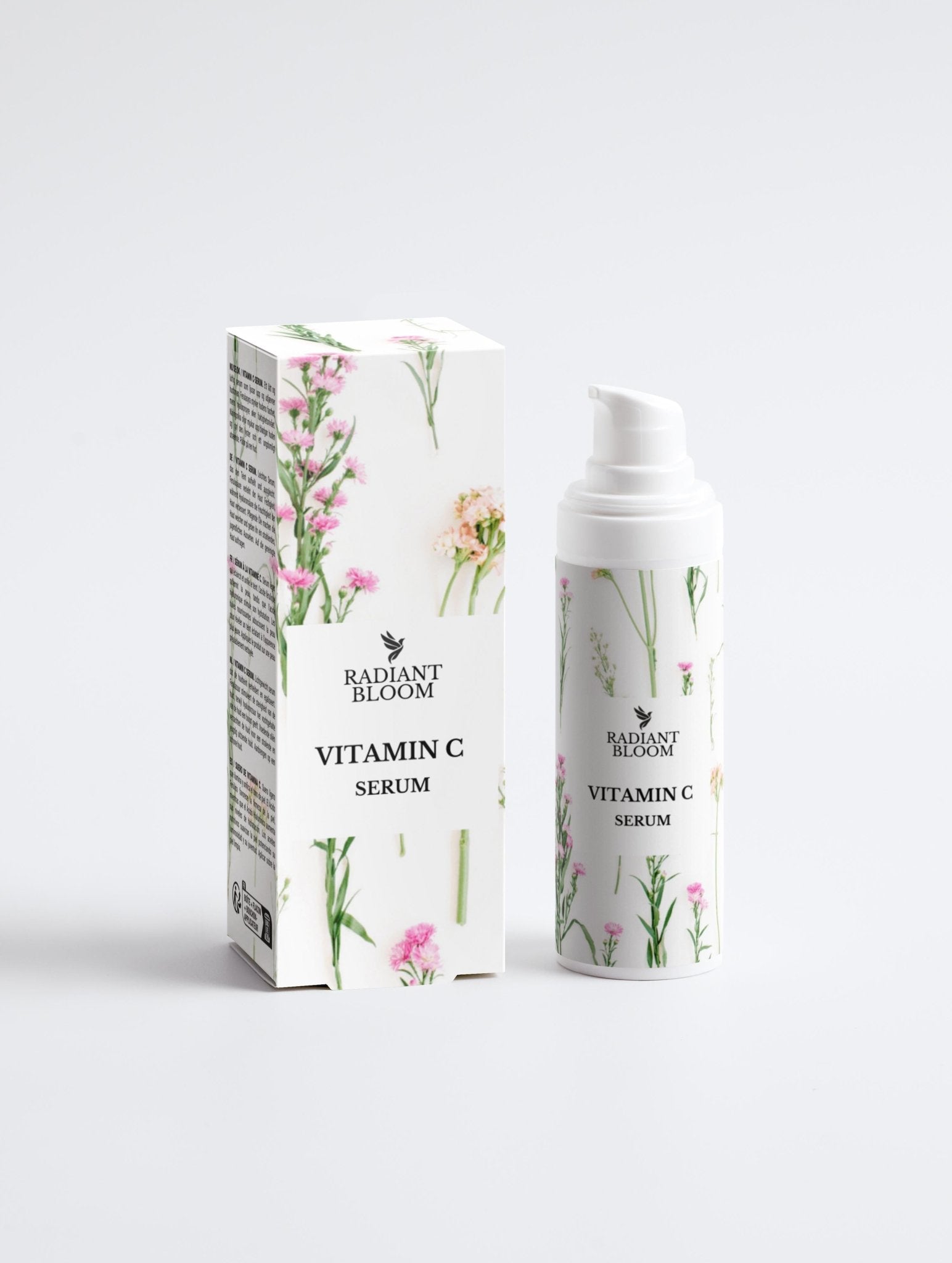
Vitamin C SerumKeep it capped, cool and out of sunlight. If it turns deep orange, it has oxidised and lost its potency.
€24.99Shop Now →

Store away from light
All-In-One Facial OilPlant oils are best kept cool and dark; a sharp, crayon-like smell means it is time to replace.
€26.99Shop Now →
How can you tell if something has gone off?
Your senses catch most problems before any date does. Stop using a product if you notice:
- A change in smell. The clearest signal. Rancid plant oil smells sharp, waxy or like old crayons; a fresh formula should smell as it did on day one.
- Separation that will not remix. A little separation is normal in natural formulas and shaking usually fixes it. Permanent splitting means the emulsion has failed.
- A colour shift. Vitamin C going from pale to deep orange or brown is the classic example.
- Texture changes. Grainy, unusually watery or unexpectedly thick.
- Any visible growth. Discard immediately, no exceptions.
- New stinging or irritation from a product you previously tolerated.
One important note: natural and organic formulas often have shorter lifespans precisely because they use gentler preservative systems. That is a feature of the formulation, not a fault, but it does mean paying closer attention to the PAO.
How to make your products last longer
- Keep the lids on properly. Air is what drives oxidation, especially for vitamin C and oils.
- Store cool and dark. A bathroom windowsill is the worst place; heat and light accelerate everything. A drawer or cupboard is better.
- Use a spatula for jars. Fingers transfer bacteria straight into the pot. Pump and tube packaging avoids this entirely.
- Do not decant into unsterile containers. Travel bottles are a common source of contamination.
- Buy sizes you will actually finish. A large jar you use twice a month will expire before it empties, which is the more expensive option in the end.
- Date the bottom on opening. The three-second habit that makes all of the above easy to track.
Frequently asked questions
Does skincare expire if unopened?
Yes. Unopened products typically stay good for two to three years from manufacture, but they do not last forever, and heat or sunlight during storage shortens that. The Period After Opening clock only starts once the seal is broken.
Does vitamin C serum expire faster than other products?
Yes, it is the shortest-lived common active. Vitamin C oxidises on contact with air and light, so three to six months after opening is typical. A deep orange or brown colour is the visible sign it has turned.
What does 12M on a skincare product mean?
It is the Period After Opening: the product should be used within twelve months of first opening it. You will see it inside a small open-jar symbol, and the number varies by product, commonly 6M, 12M or 24M.
Is it dangerous to use expired skincare?
Usually it is a matter of reduced effectiveness rather than danger, since actives degrade and stop delivering results. The two real risks are expired sunscreen, which can leave you unprotected and burnt, and any contaminated product, which can cause irritation or infection.
Do natural and vegan products expire faster?
Often, yes. Plant oils can go rancid and gentler preservative systems have shorter effective lifespans than heavily synthetic ones. Store them cool and dark, and respect the PAO more closely than you might with a conventional product.
Small batches, fresher formulas
Vegan, cruelty-free skincare made in small batches in the Baltics, so it reaches you fresh.
Shop Vegan Skincare →Free worldwide shipping on orders over €45. Vegan, cruelty-free and organic.