How We Evaluated These Brands
We looked at over 50 organic and natural skincare brands and narrowed the list to 15. Each brand was scored on five criteria, weighted as follows:
| Criterion |
Weight |
What we looked for |
| Certification |
25% |
USDA Organic, COSMOS, Ecocert, NATRUE or Demeter — and whether claims are independently verified. |
| Ingredient quality |
25% |
Concentration of organic ingredients, INCI transparency, no greenwashed fillers. |
| Effectiveness |
20% |
Active concentrations, real customer reviews on independent platforms, dermatologist mentions. |
| Value |
15% |
Price per millilitre, product longevity, sales and bundle availability. |
| Ethics |
15% |
Cruelty-free certification, vegan formulations, packaging sustainability, fair sourcing. |
What you're reading is a structured comparison of public information — certifications, ingredient lists, founder statements and reviews from places like Sephora, Cult Beauty, Amazon and Trustpilot. If you want lab-grade results, look for brands that publish independent clinical studies (True Botanicals is the gold standard there).
Organic Certifications Decoded
"Organic" alone means almost nothing on a skincare label. Here's what the real certifications actually mean:
-
USDA Organic — At least 95% organic ingredients (US standard, mostly food-grade).
-
COSMOS Organic — European standard. At least 95% of plant ingredients organic, 20% of total formula organic. Recognised across the EU.
-
Ecocert — French certifying body, often the auditor behind COSMOS.
-
NATRUE — European natural and organic standard with three tiers.
-
Demeter — Biodynamic certification, a step beyond organic.
-
Soil Association — UK certifying body, also auditing under COSMOS.
-
MADE SAFE — US certification screening for harmful chemicals across categories.
-
Leaping Bunny / PETA — Cruelty-free (separate from organic).
If a brand says "natural" or "clean" without any of the above, you're trusting their marketing department, not an auditor.
Top 15 Organic Skincare Brands Ranked
Ranked by our weighted criteria above. Use the price tiers as a rough guide: $ = under $30 a product, $$ = $30–75, $$$ = $75–150, $$$$ = $150+.
1. Radiant Bloom Organic Best Overall Value
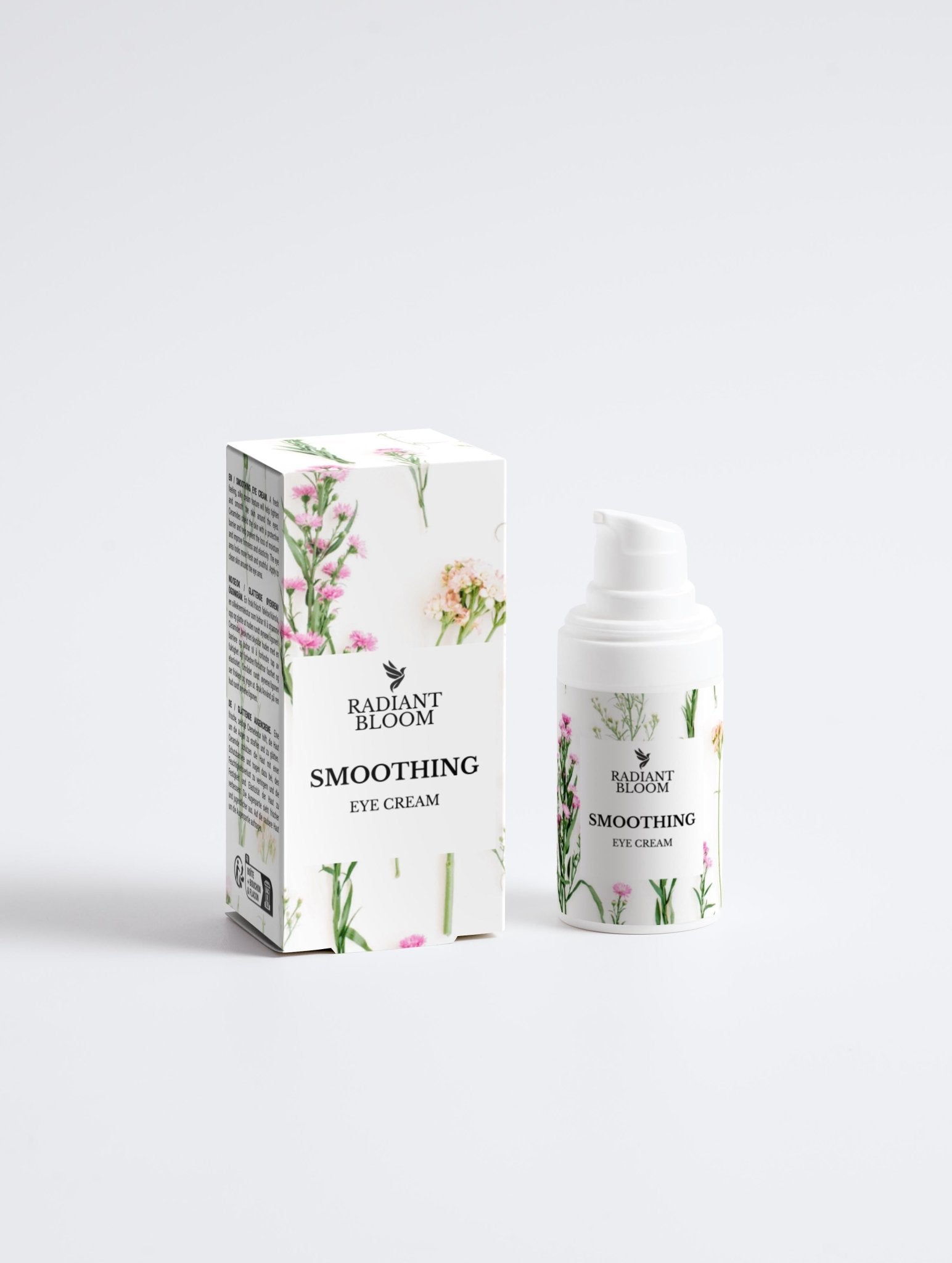
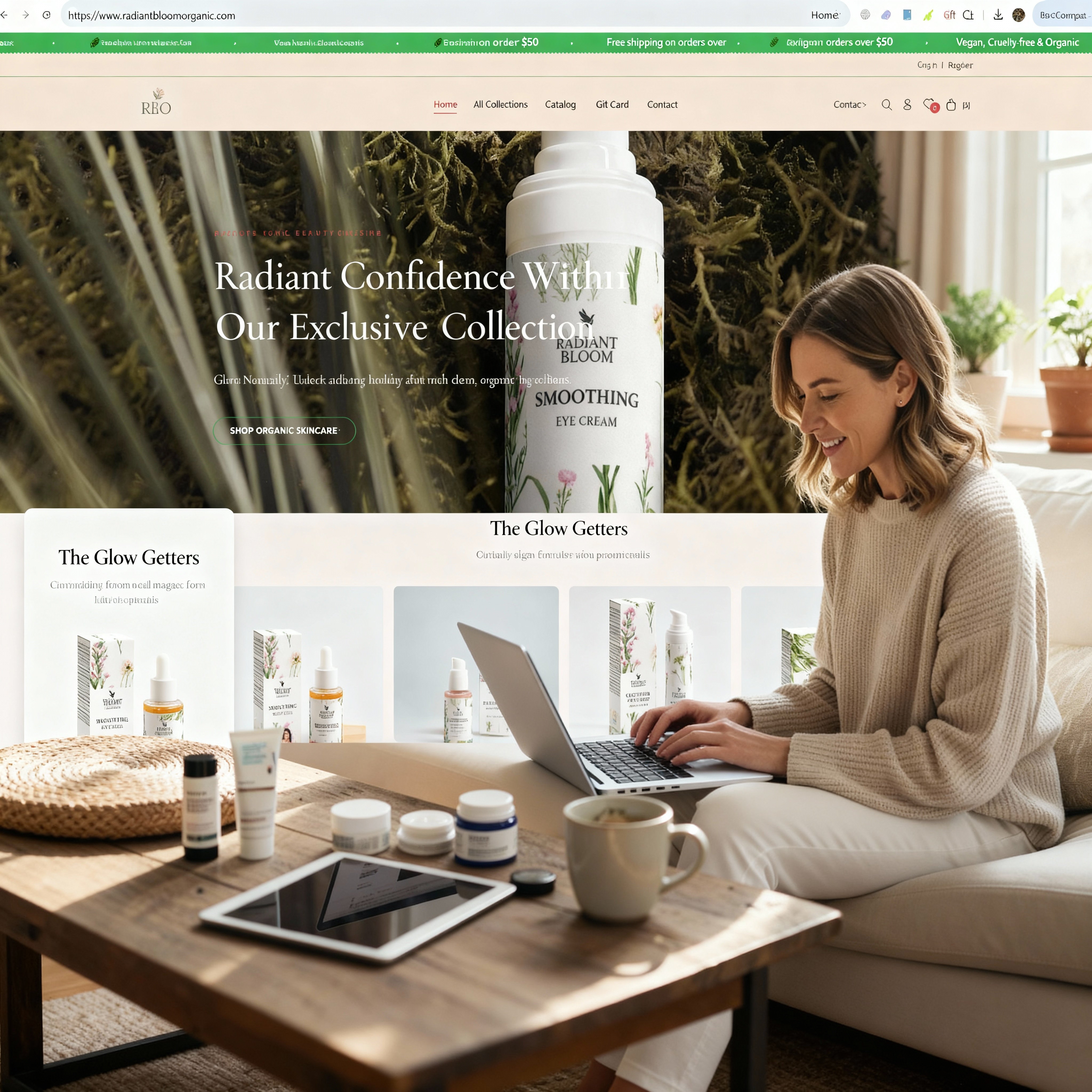
What they do well: ECOCERT COSMOS certified, 100% vegan, cruelty-free, mid-range pricing for genuinely high-end formulations. Free shipping over $150 and a 30-day money-back guarantee take the risk out of trying.
Best for: Anyone who wants luxury-grade organic skincare without the luxury price tag — especially sensitive skin and beginners.
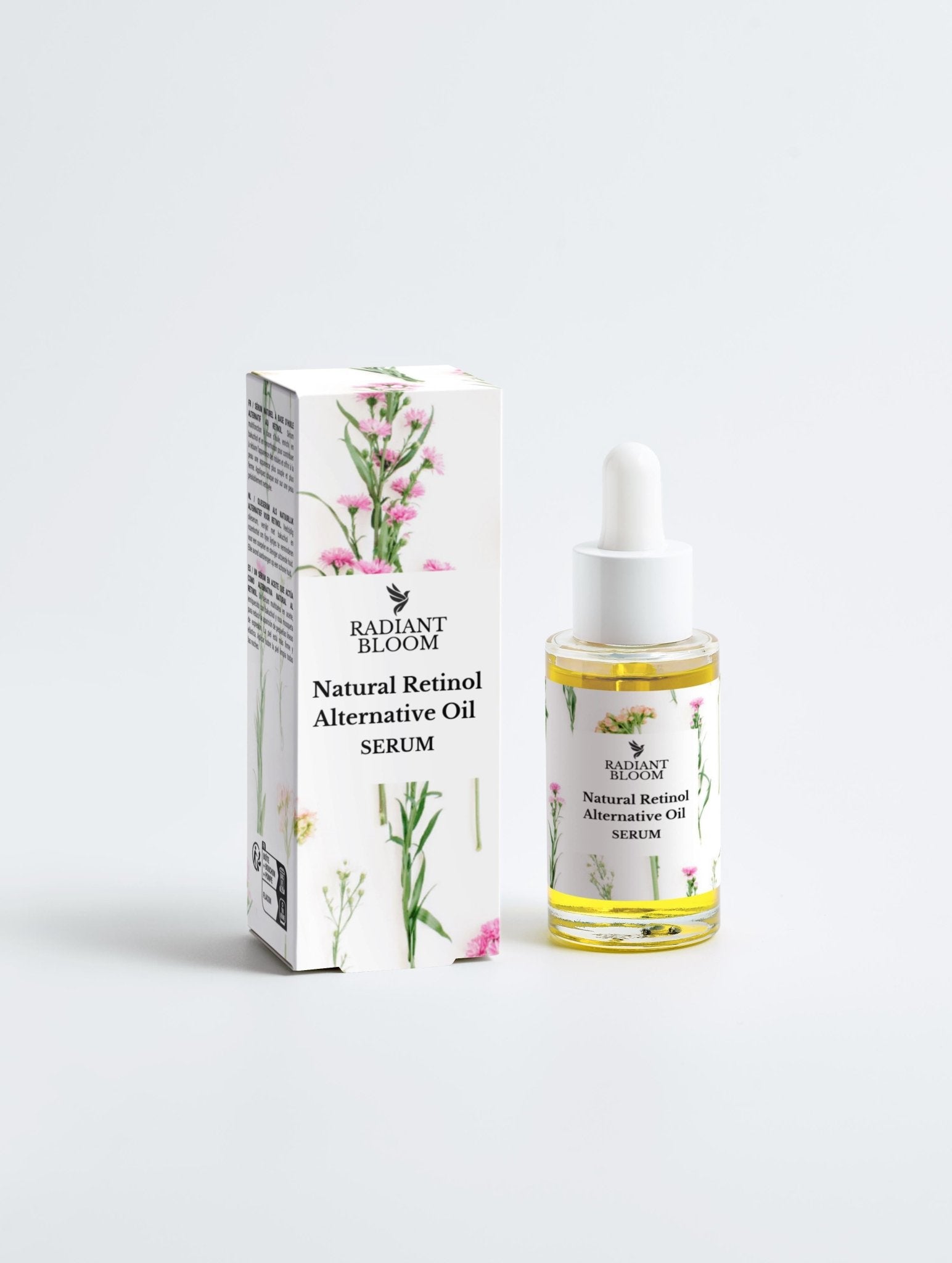
Hero products: Velvety Texture Face Cream, Glow & Hydrate Facial Oil, Organic Bakuchiol Serum (pregnancy-safe).
Disclosure: This is our own brand. We've placed it #1 because, on our own weighted criteria, that's where it lands. Test it for yourself — the 30-day guarantee makes that easy.
Price tier: $$
2. Tata Harper Best Luxury
What they do well: Farm-to-face production on a Vermont estate. Famously high active counts per formula. Beautiful glass packaging. Quality of finish is exceptional.
Trade-off: Premium pricing puts a full routine out of reach for most people. A single Tata Harper moisturiser can cost more than a full Radiant Bloom routine.
Best for: Mature skin, gift-giving, special-occasion treatments.
Price tier: $$$$
3. True Botanicals Best Clinical Backing
What they do well: The brand most willing to put its formulas through independent clinical trials. MADE SAFE certified across the line. Dermatologist tested. Pregnancy-safe options clearly labelled.
Trade-off: Premium pricing and a US-centric distribution model.
Best for: Skeptical buyers who want lab data, anti-ageing routines and acne-prone skin (the Clear line).
Price tier: $$$$
4. Herbivore Botanicals Best Minimalist
What they do well: Short ingredient lists, mostly synthetic-free, beautifully designed bottles. Easy entry point for anyone moving away from conventional skincare.
Trade-off: Without synthetic preservatives, products generally have a shorter shelf life — typically 6 to 12 months after opening.
Best for: Beginners, sensitive skin, minimalist routines.
Price tier: $$$
5. Weleda Best Heritage Brand
What they do well: Over a century in business, biodynamic farming, NATRUE certified, widely available at pharmacies and online. The original Skin Food cult product is famous for a reason.
Trade-off: Some formulations feel old-fashioned and the packaging is functional rather than luxurious.
Best for: Dry skin, body care, family use, value seekers.
Price tier: $ to $$
6. Dr. Hauschka Best European Heritage
What they do well: Demeter biodynamic certification, "rhythmic processing" of botanicals, holistic skincare philosophy. Used by professional estheticians for decades.
Trade-off: The product range is large and slightly confusing to navigate without guidance.
Best for: Sensitive and reactive skin, fans of slow beauty.
Price tier: $$$
7. Juice Beauty Best Antioxidant Focus
What they do well: Organic juice base instead of water, solar-powered facility, decent value sets. The Stem Cellular line has a loyal following.
Trade-off: Reviews are mixed on a few specific products — read individual reviews before buying.
Best for: Anti-ageing, dull skin, vitamin-C-forward routines.
Price tier: $$ to $$$
8. KORA Organics Best Founder-Led Story
What they do well: Certified organic, noni-fruit-focused formulations, beautiful textures. Miranda Kerr's involvement is more than skin-deep — she co-formulates.
Trade-off: Pricing reflects the brand premium, not just the formulas.
Best for: Glow, hydration, gift sets.
Price tier: $$$
9. 100% Pure Best Fruit-Pigmented
What they do well: The fruit-pigmented makeup is genuinely innovative. The skincare side uses food-grade ingredients with strong vitamin C offerings.
Trade-off: Some customers report packaging issues (leakage, pump failure) and stock can be inconsistent.
Best for: Vitamin C routines, anyone combining natural makeup and skincare.
Price tier: $$
10. Eminence Organic Best Spa Professional
What they do well: Hungarian heritage, plant-based formulas, a favourite of professional spas. Strong masque and exfoliant range.
Trade-off: Sold mostly through professional channels — pricing isn't always transparent.
Best for: Treatment-focused routines, anyone who already loves their facialist's recommendations.
Price tier: $$$
11. Pai Skincare Best for Sensitive Skin
What they do well: Soil Association and COSMOS certified, formulated specifically around sensitive and reactive skin, full INCI transparency, made in the UK.
Trade-off: Smaller range than the giants on this list.
Best for: Rosacea, redness, eczema-prone skin, anyone who reacts to "natural" oils.
Price tier: $$$
12. OSEA Best Marine-Based
What they do well: Seaweed-based formulations, climate-neutral certified, family-owned, fully vegan.
Trade-off: The marine scent isn't for everyone.
Best for: Combination skin, body care, eco-prioritised buyers.
Price tier: $$$
13. May Lindstrom Best Artisanal
What they do well: Small-batch, ritualistic, genuinely unique formulations like The Problem Solver. Premium experience from packaging to scent.
Trade-off: Very expensive, and the line is small.
Best for: Buyers who want a slow, sensorial routine and don't mind paying for it.
Price tier: $$$$
14. SW Basics Best Ultra-Minimalist
What they do well: Five ingredients or fewer per product, transparent sourcing, affordable.
Trade-off: The minimalism cuts both ways — if you want active-loaded routines, this isn't it.
Best for: Truly sensitive skin, ingredient minimalists.
Price tier: $
15. Andalou Naturals Best Drugstore Pick
What they do well: Widely available, fruit stem cell focus, genuine certifications, friendly price point. A good first step for anyone leaving conventional skincare.
Trade-off: Formulations are good but not exceptional — you're paying for accessibility.
Best for: Budget-conscious shoppers, beginners, anyone who buys at the pharmacy.
Price tier: $
Side-by-Side Comparison Table
| Brand |
Price |
Vegan |
Cruelty-Free |
Key Certification |
Best For |
| Radiant Bloom Organic |
$$ |
Yes |
Yes |
ECOCERT COSMOS |
Overall value |
| Tata Harper |
$$$$ |
Mostly |
Yes |
Self-certified farm |
Luxury |
| True Botanicals |
$$$$ |
Mostly |
Yes |
MADE SAFE |
Clinical results |
| Herbivore |
$$$ |
Yes |
Yes |
None official |
Minimalists |
| Weleda |
$ – $$ |
Mostly |
Yes |
NATRUE |
Heritage value |
| Dr. Hauschka |
$$$ |
Mostly |
Yes |
NATRUE / Demeter |
Sensitive skin |
| Juice Beauty |
$$ – $$$ |
Yes |
Yes |
USDA (select) |
Antioxidants |
| KORA Organics |
$$$ |
Yes |
Yes |
COSMOS / ACO |
Glow |
| 100% Pure |
$$ |
Yes |
Yes |
None official |
Vitamin C |
| Pai Skincare |
$$$ |
Yes |
Yes |
COSMOS / Soil Assoc. |
Sensitive |
| OSEA |
$$$ |
Yes |
Yes |
EWG Verified |
Marine-based |
Verify all certifications directly with the certifying body. "Mostly" indicates that the brand is largely vegan but may include a small number of products containing beeswax or honey.
Best Organic Skincare Brand by Skin Type
Oily and acne-prone skin
-
Radiant Bloom Organic — balances without stripping. The Glycolic Acid Exfoliator is a strong active option.
- True Botanicals Clear line — clinically tested for breakout reduction.
- Herbivore Blue Tansy — visible in-shower clarifying.
Look for: tea tree, willow bark, niacinamide, kaolin clay, salicylic acid (from willow bark in organic formulas).
Dry skin
- Weleda Skin Food — the heavy-duty gold standard for cracked, parched skin.
-
Radiant Bloom Velvety Texture Face Cream — daily, nourishing, never greasy.
- Tata Harper Crème Riche — the splurge option.
Look for: shea butter, rosehip oil, squalane, hyaluronic acid, ceramides.
Sensitive skin
- Pai Skincare — built around sensitivity from the ground up.
- Dr. Hauschka — gentle, biodynamic.
-
Radiant Bloom Sensitive Skin line — fragrance-free, ECOCERT COSMOS certified, including the Sensitive Skin Oil-To-Milk Cleanser.
Avoid: synthetic fragrance, essential oil overload, alcohol denat, and harsh exfoliating acids stacked together.
Combination skin
- OSEA — balances oily and dry zones.
-
Radiant Bloom Organic — adaptable across zones with the Glow & Hydrate Facial Oil applied lightly.
- Juice Beauty — oil-free options for the T-zone.
Mature skin
- Tata Harper — peptide-rich, dense formulations.
- True Botanicals Renew — clinically supported.
-
Radiant Bloom Bakuchiol Serum — natural retinol alternative, pregnancy-safe.
Best Organic Skincare Brand by Price Point
Under $30 per product (entry-level)
Top picks: Andalou Naturals, SW Basics, Weleda. These won't transform your skin overnight, but they'll support a basic routine without breaking your budget.
Saving tactics: Subscribe-and-save where offered, buy multi-packs, look for bundle deals.
$30 to $75 per product (mid-range)
Top picks: Radiant Bloom Organic, 100% Pure, parts of the Weleda range.
Why this tier wins for most people: Quality ingredients without the luxury markup. You're paying for the formula, not the marketing budget. Most people get the best results-per-dollar in this range.
$75 to $150 per product (premium)
Top picks: Herbivore, KORA Organics, Dr. Hauschka, Pai Skincare.
$150+ per product (luxury)
Top picks: Tata Harper, True Botanicals, May Lindstrom.
Worth it for: special-occasion treatments, gift-giving and skin emergencies where you want the absolute best concentration of actives. Not necessary for an everyday routine.
Best Organic Skincare Brand for Specific Concerns
Best for acne
- True Botanicals Clear
- Radiant Bloom Glycolic Acid Exfoliator
- Herbivore Blue Tansy
Best for anti-ageing
- Tata Harper anti-ageing line
- True Botanicals Renew
-
Radiant Bloom Bakuchiol Serum & Collagen Night Cream
Best for hyperpigmentation
- KORA Organics Noni Bright
- 100% Pure Vitamin C
- Radiant Bloom brightening line
Best for redness and rosacea
- Pai Skincare
- Dr. Hauschka Med
- Weleda Almond range
Best for pregnancy-safe skincare
-
Radiant Bloom Bakuchiol Serum — explicitly formulated as a pregnancy-safe retinol alternative.
- True Botanicals — pregnancy-safe options clearly labelled.
- Pai Skincare — most of the line is pregnancy-friendly.
Radiant Bloom Organic: A Closer Look
Since we placed our own brand at the top, here's the longer version so you can decide for yourself.
The philosophy
Radiant Bloom Organic was founded on the idea that effective organic skincare shouldn't cost what a luxury brand charges. Every formula is 100% natural, vegan and cruelty-free. The full range is ECOCERT COSMOS certified — a real third-party European standard, not a marketing logo we made up.
The product range
Cleansers: pH-balanced, including the Sensitive Skin Oil-To-Milk Cleanser that transforms on contact with water and removes makeup without stripping the skin.
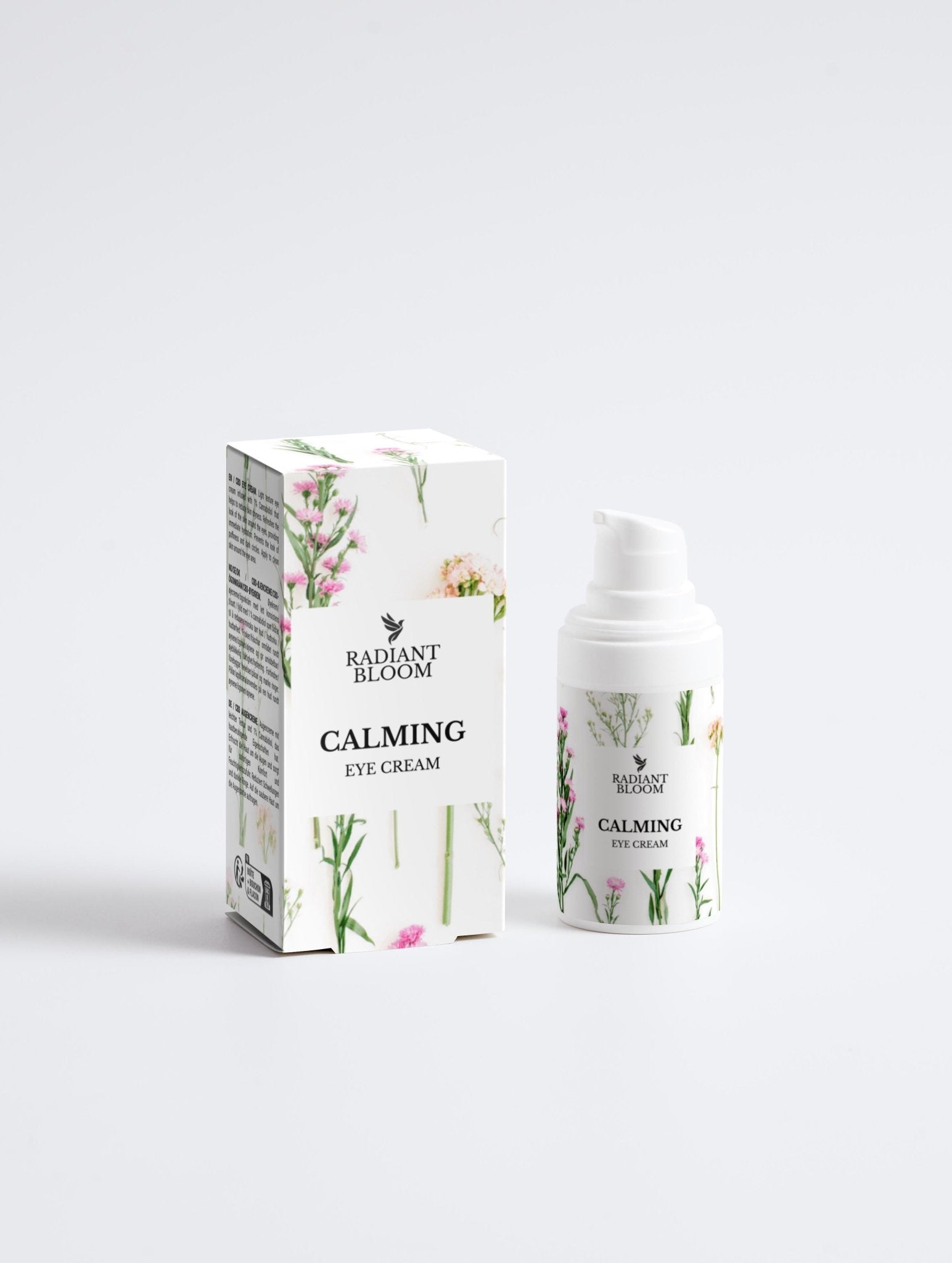
Serums and oils: The Glow & Hydrate Facial Oil is our most-loved hero, alongside the Bakuchiol Serum (pregnancy-safe natural retinol alternative) and the Caffeine-Infused Eye & Face Booster.
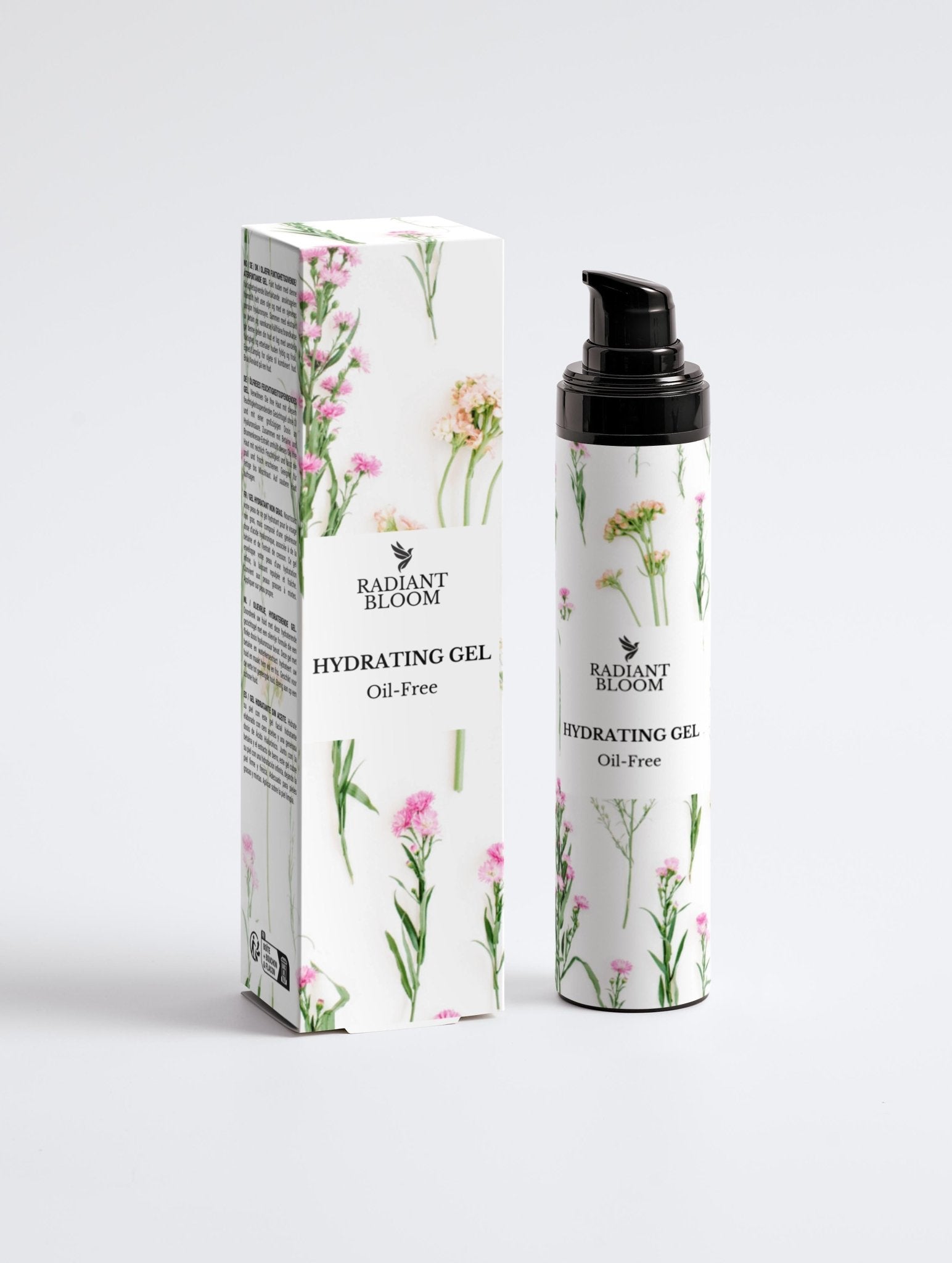
Moisturisers: The Velvety Texture Face Cream works for most skin types; the Sensitive Skin Moisturiser is fragrance-free and barrier-supporting.
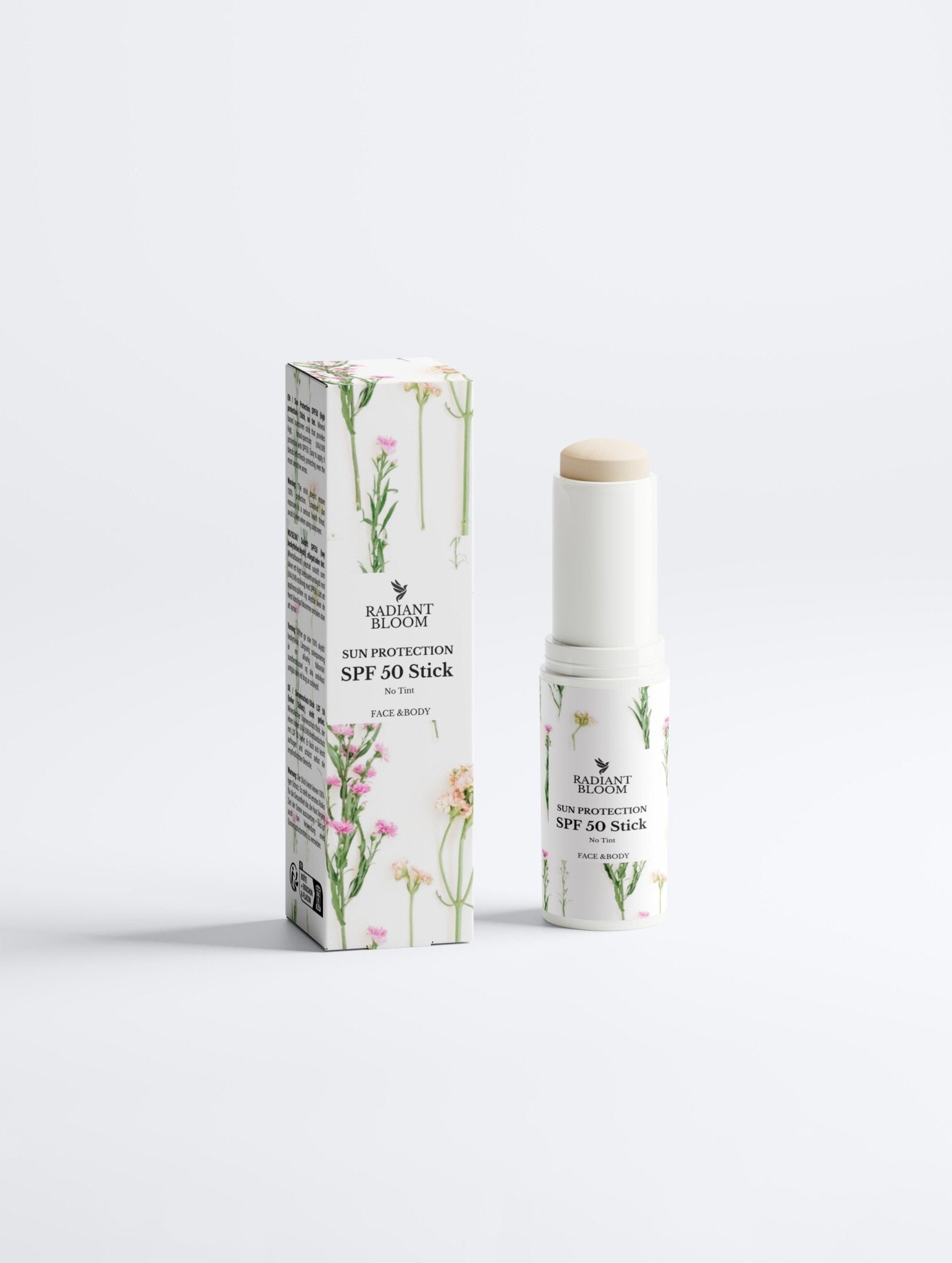
Sun protection: Mineral SPF 30 and SPF 50 sticks, in tinted and untinted versions.
Targeted treatments: Collagen night cream, firming eye cream, AHA peeling concentrate, glycolic acid exfoliator.
What the routine costs
A full Radiant Bloom routine typically lasts 3 to 4 months at daily use. Cleanser to moisturiser, you're in mid-range territory — significantly cheaper per use than Tata Harper or True Botanicals, with the same kind of certification backing. Free shipping kicks in over $150, so most full-routine orders ship free.
How to try it without risk
The 30-day money-back guarantee covers your first order. If it isn't right for your skin, you return it. Newsletter subscribers get 15% off their first order — that takes the entry price into clear-value territory.
International Organic Brands Worth Knowing
European
Germany: Dr. Hauschka, Weleda, Annemarie Börlind. Strong heritage and serious certifications.
France: Melvita, Patyka, Absolution. Pharmacy-grade organic with elegant formulations.
UK: Pai Skincare, Neal's Yard Remedies, Aurelia London. Sensitive-skin and Soil Association certified.
Asia
Korea: Whamisa, Benton, Aromatica. Fermented ingredients and surprisingly affordable.
Japan: Three, Shiro, Do Organic. Minimalist, ritual-driven.
How to Choose Your Brand
Step 1: Define your needs
- Primary skin concern (one is fine — don't try to fix everything at once)
- Realistic monthly budget for skincare
- Ingredient preferences or pregnancy considerations
- Ethics priorities — vegan, cruelty-free, sustainable packaging
Step 2: Check the certifications
Verify USDA Organic, COSMOS, Ecocert, NATRUE or Leaping Bunny on the certifying body's website. A certification logo on the brand's site doesn't prove anything — the public certifying-body database does.
Step 3: Test strategically
Start with travel sizes when possible. One brand at a time so you can attribute results. Six weeks minimum before judging.
Step 4: Document the change
Same lighting, same time of day, weekly photos. Notice product feel, scent fit, longevity, and how your skin behaves between products.
Greenwashing: Red Flags to Avoid
Fake organic claims
- "Organic" on the label without any certification
- Hidden or partial INCI lists
- Vague "natural" claims that mean nothing
- No third-party verification anywhere on the site
- Suspiciously low prices for "luxury organic"
Greenwashing tactics
- Green packaging and leaf imagery doesn't equal organic
- One token organic ingredient at the bottom of the INCI
- "Inspired by nature" — meaningless marketing
- Undefined "clean beauty" without standards
- Celebrity endorsement instead of certification
Quality red flags
Be cautious of brands with frequent formula changes, inconsistent availability, no return policy, or undisclosed manufacturers. Good brands tell you who makes their products and where.
Frequently Asked Questions
What is the best organic skincare brand in 2026?
It depends on your needs and budget. Our weighted criteria put Radiant Bloom Organic first for overall value with full ECOCERT COSMOS certification. For luxury it's Tata Harper; for clinical backing, True Botanicals; for sensitive skin, Pai or Dr. Hauschka.
Is expensive organic skincare always better?
No. Premium brands often deliver excellent results, but mid-range brands with the same certifications can match them. Price reflects packaging, marketing and brand positioning as much as formula quality.
Can I mix different organic brands?
Yes. Your skin doesn't recognise brand logos. Many people use Radiant Bloom basics with a luxury treatment from another brand for balanced spending.
How do I know if a brand is truly organic?
Look for third-party certification (USDA Organic, COSMOS, Ecocert, NATRUE, Soil Association). Check the ingredient list for asterisks marking organic ingredients. Verify the brand's certification number directly on the certifier's website.
Should I switch my entire routine to one brand?
Not required. Start with core products from one trusted brand like Radiant Bloom Organic, then add specific treatments from elsewhere if needed.
What's the best organic brand for beginners?
Radiant Bloom Organic offers the best combination of quality, price and simplicity for beginners. Weleda is excellent on a tighter budget. Herbivore is great if you want a minimalist routine.
Do organic brands work as well as conventional?
Yes — many now match or exceed conventional results. The "natural means weak" assumption is outdated. Look at brands publishing actual clinical trials (True Botanicals) or full INCI transparency (Pai, Radiant Bloom).
How long should I try a brand before switching?
Give a new brand at least 6 to 8 weeks (about two skin cycles). Some improvements appear quickly, but real change takes time.
Are drugstore organic brands legitimate?
Some are excellent (Andalou Naturals, Acure, parts of the Weleda range). Always verify certifications, the same way you would with a luxury brand.
Why do organic products smell different?
Without synthetic fragrance, products smell like their actual ingredients — herbal, earthy, floral. The scent is often a freshness signal.
Can organic skincare expire faster?
Yes. Without synthetic preservatives, most organic products last 6 to 12 months after opening. Check the period-after-opening (PAO) symbol on the packaging.
Final Verdict: Choose Quality, Not Hype
The best organic skincare brand for you depends on your skin, your budget and your values. Luxury brands sell prestige; budget brands sell access; the sweet spot for most people sits in the middle. Radiant Bloom Organic is built for that sweet spot — certified organic quality and effective formulas without the luxury markup.
- Expensive doesn't always mean better
- Real certification beats marketing claims
- Consistency beats brand-hopping
- Your skin is unique — match the brand to your skin, not to the trend
Whether you choose Radiant Bloom or another brand from this guide, you're choosing healthier skin and a healthier planet. That's always a beautiful decision.
↑ Back to top