Einkaufswagen
0
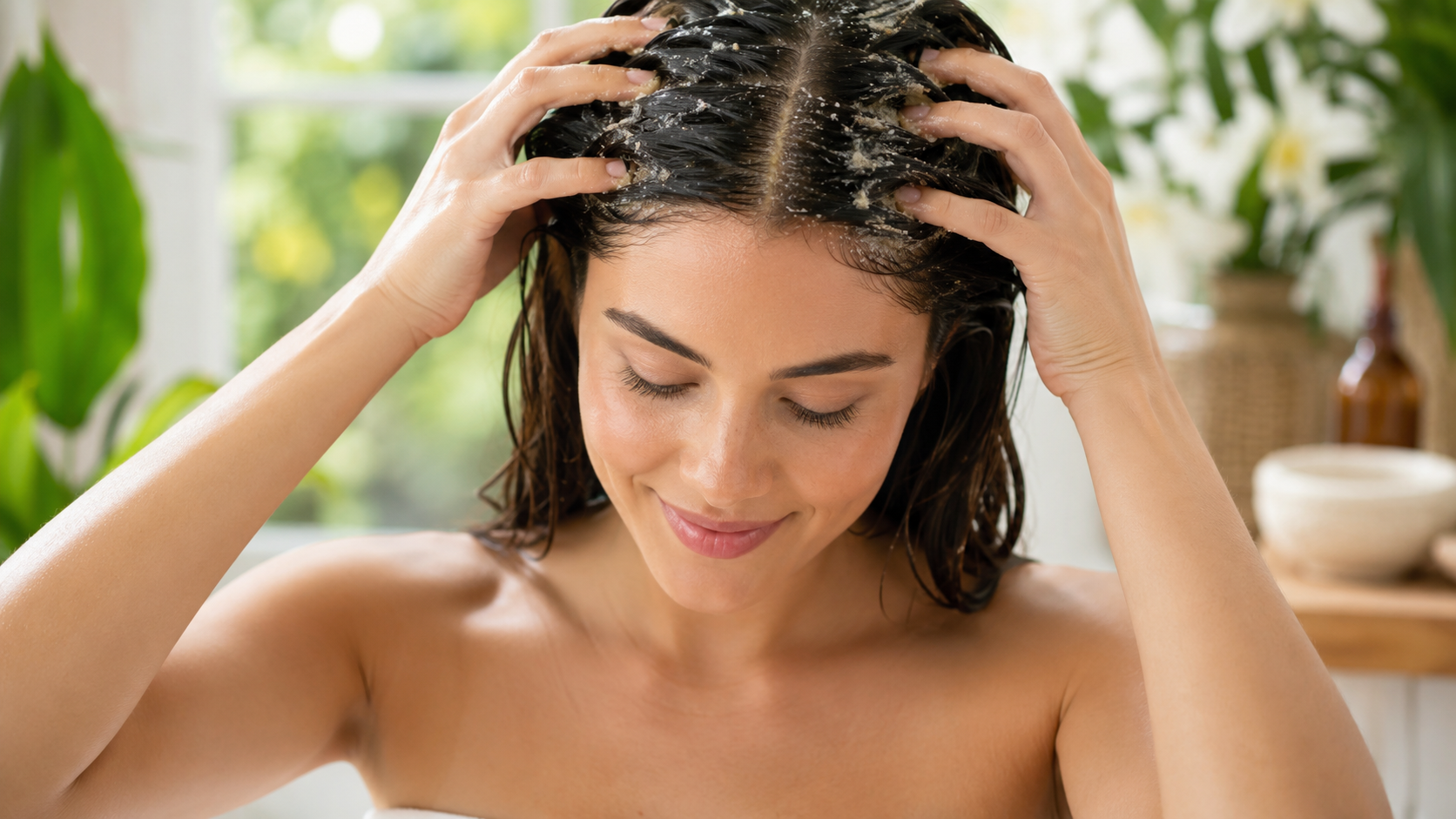
If your scalp is itchy and flaky but dandruff shampoo is not fixing it, the cause is often scalp build-up: a mix of excess oil, sweat, dead skin and hair-product residue (made worse by hard water) sitting on the scalp. Unlike dandruff, which is driven by a yeast called Malassezia, build-up flakes are waxy and greasy and cling near the roots. The good news is that it clears with a simple weekly reset: exfoliate with a scalp scrub, switch to a gentle sulfate-free shampoo, and keep the scalp balanced with a light oil between washes. Here is how to tell what you are dealing with, and how to fix it naturally.
In this article
- Is it dandruff, dry scalp, or build-up?
- What causes scalp build-up?
- How do you clear scalp build-up naturally?
- How often should you exfoliate your scalp?
- When should you see a dermatologist?
- Frequently asked questions
Is it dandruff, dry scalp, or build-up?
Three different things cause an itchy, flaky scalp, and they each need a different fix. Telling them apart is the fastest way to stop wasting money on the wrong product. The clearest clue is what the flakes look and feel like.
| Scalp build-up | Dry scalp | Dandruff | |
|---|---|---|---|
| The flakes | Waxy, greasy, stuck near the roots | Small, dry and white | Larger, oilier, yellow-ish |
| How the scalp feels | Coated and heavy, even after washing | Tight and itchy | Itchy, sometimes red |
| Tell-tale sign | Worse with dry shampoo, heavy products or hard water | Skin is dry elsewhere too | Keeps coming back; yeast-driven |
| What helps | Exfoliate and clarify, go lighter on products | Gentle hydrating shampoo, a light scalp oil | Medicated shampoo; see a dermatologist if it persists |
The big giveaway for build-up: your scalp feels greasy or coated even on a fresh wash day, and the flakes are waxy rather than dry and powdery. If that sounds like you, the rest of this guide is for you. If your flakes are persistent, yellow and greasy, or you see thick silvery patches, skip to when to see a dermatologist.
What causes scalp build-up?
Build-up is simply too much landing on the scalp and not enough coming off. The usual culprits are:
- Hair-product residue from dry shampoo, styling sprays, gels and heavy conditioners that is not fully rinsed away.
- Excess oil (sebum) and sweat, especially if you go several days between washes or work out often.
- Dead skin cells that should shed but get trapped under product and oil.
- Hard water, which leaves mineral deposits that dull hair and coat the scalp.
- Stripping shampoos, ironically: harsh sulfates can over-dry the scalp, which then produces more oil to compensate, feeding the cycle.
How do you clear scalp build-up naturally?
You do not need harsh chemicals. A gentle weekly reset, plus a couple of small habit changes, clears build-up and keeps it from coming back.
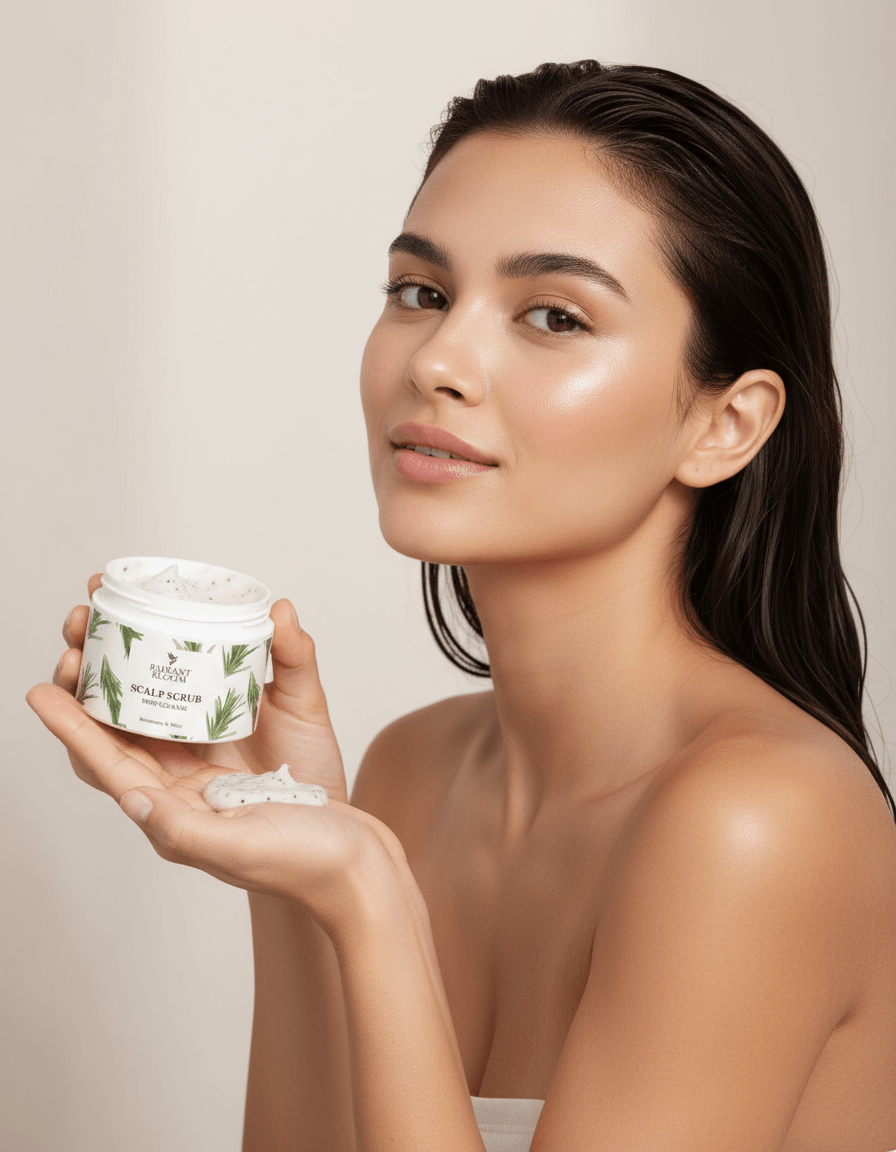
Step 1: Exfoliate once a week with a scalp scrub. This is the step that physically lifts away the waxy residue a normal shampoo leaves behind. Massage it into a damp scalp before you shampoo, then rinse.
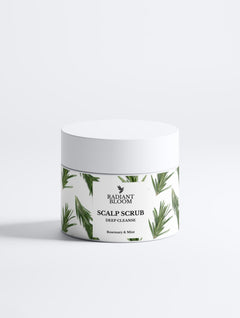
Step 1 · Weekly scalp detox
Scalp Detox Scrub with Rosemary & Peppermint
A natural exfoliating scrub that lifts away product residue, excess oil and dead skin: the build-up a normal shampoo leaves behind. Rosemary and peppermint refresh and invigorate, so the scalp feels genuinely clean and the flakes ease. Massage into a damp scalp once a week before shampooing.
€29,99
Shop the Scalp Scrub →
Step 2: Switch to a gentle, sulfate-free shampoo. Harsh shampoos strip the scalp and start the over-oiling cycle all over again. A milder, naturally derived formula cleanses without that squeaky, stripped feeling. Our Sensitive Scalp Shampoo is a good fit, and our guide to choosing a natural shampoo walks through what to look for.
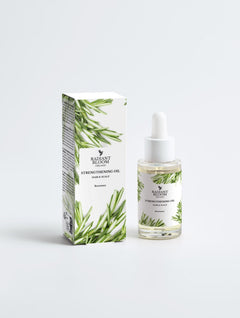
Step 3: Rebalance the scalp between washes with a light oil. A clean, balanced scalp is less prone to the over-oiling that feeds build-up. A few drops of a rosemary scalp oil, massaged in and left to work, support scalp health and the look of stronger hair.
Step 3 · Keep the scalp balanced
Organic Rosemary Hair & Scalp Oil
A few drops massaged into the scalp between washes support a healthy, balanced scalp and stronger-looking hair. ECOCERT-certified, with rosemary and peppermint. Learn more in our guides on whether rosemary oil really helps hair grow and how long to leave it in.
€27,99
Shop Rosemary Oil →
Step 4: Lighten the load. Go easier on dry shampoo and heavy styling products, rinse thoroughly (residue loves the back of the head and nape), and wash with lukewarm rather than hot water, which can irritate the scalp. If you have hard water, a weekly scrub matters even more.
How often should you exfoliate your scalp?
For most people, once a week is the sweet spot. It is enough to keep build-up from accumulating without over-exfoliating, which can leave the scalp sensitised. If you use a lot of styling product or dry shampoo, or you have very oily roots, twice a week is fine. If your scalp is on the dry or sensitive side, every couple of weeks is plenty. Let how your scalp feels guide you: clean and comfortable is the goal, never raw or tight.
When should you see a dermatologist?
A scrub clears build-up, but it is not a treatment for medical scalp conditions, and an itchy, flaky scalp is not always build-up. See a dermatologist or GP if you notice persistent, greasy yellow scales (which can point to seborrheic dermatitis), thick silvery patches that extend past the hairline (a sign of scalp psoriasis), or a scalp that is constantly itchy, sore, swollen or shedding hair. These need proper diagnosis and care. The Cleveland Clinic recommends seeing a professional when flaking does not improve with over-the-counter changes.
A quick note: this is general haircare information, not medical advice. If your scalp is painful, bleeding, or not improving, please see a healthcare professional.
Frequently asked questions
Why is my scalp itchy and flaky but I don't have dandruff?
The most common reason is scalp build-up: oil, sweat, dead skin and hair-product residue collecting on the scalp, often made worse by hard water. It can feel and look like dandruff, but the flakes are waxy and greasy rather than dry and powdery, and it clears with exfoliation rather than anti-dandruff shampoo.
How do I know if it's build-up or dandruff?
Check the flakes and how your scalp feels. Build-up is waxy, greasy and sits near the roots, and your scalp feels coated even after washing. Dandruff flakes are oilier and yellow-ish and keep returning because they are driven by a yeast called Malassezia. If anti-dandruff shampoo is not helping, build-up is the likely cause.
How do you get rid of scalp build-up naturally?
Exfoliate once a week with a scalp scrub to lift residue, switch to a gentle sulfate-free shampoo so you are not stripping and over-oiling the scalp, keep it balanced with a light scalp oil between washes, and go easier on dry shampoo and heavy products. Rinse thoroughly and use lukewarm water.
How often should I use a scalp scrub?
Once a week suits most people. Twice a week is fine if you use a lot of product or have oily roots, and every couple of weeks is enough for dry or sensitive scalps. Stop if your scalp ever feels raw or tight.
Can scalp build-up cause hair loss?
Build-up itself does not usually cause hair loss, but a congested, irritated scalp is not the healthiest environment for hair. Keeping the scalp clean and balanced supports better conditions for growth. Persistent shedding is worth discussing with a dermatologist.
Does rosemary oil help an itchy scalp?
Many people use rosemary scalp oil to support a healthy, balanced scalp between washes. It is best used as part of a routine rather than a one-off fix. You can read more in our guide on using rosemary oil every day.
Reset your scalp
Give your scalp a clean, balanced fresh start
Clear build-up and keep your scalp healthy with the Radiant Bloom haircare range: vegan, cruelty-free and certified natural. New customers get 15% off the first order.
Shop the haircare range →Free worldwide shipping on orders over €45.