Einkaufswagen
0
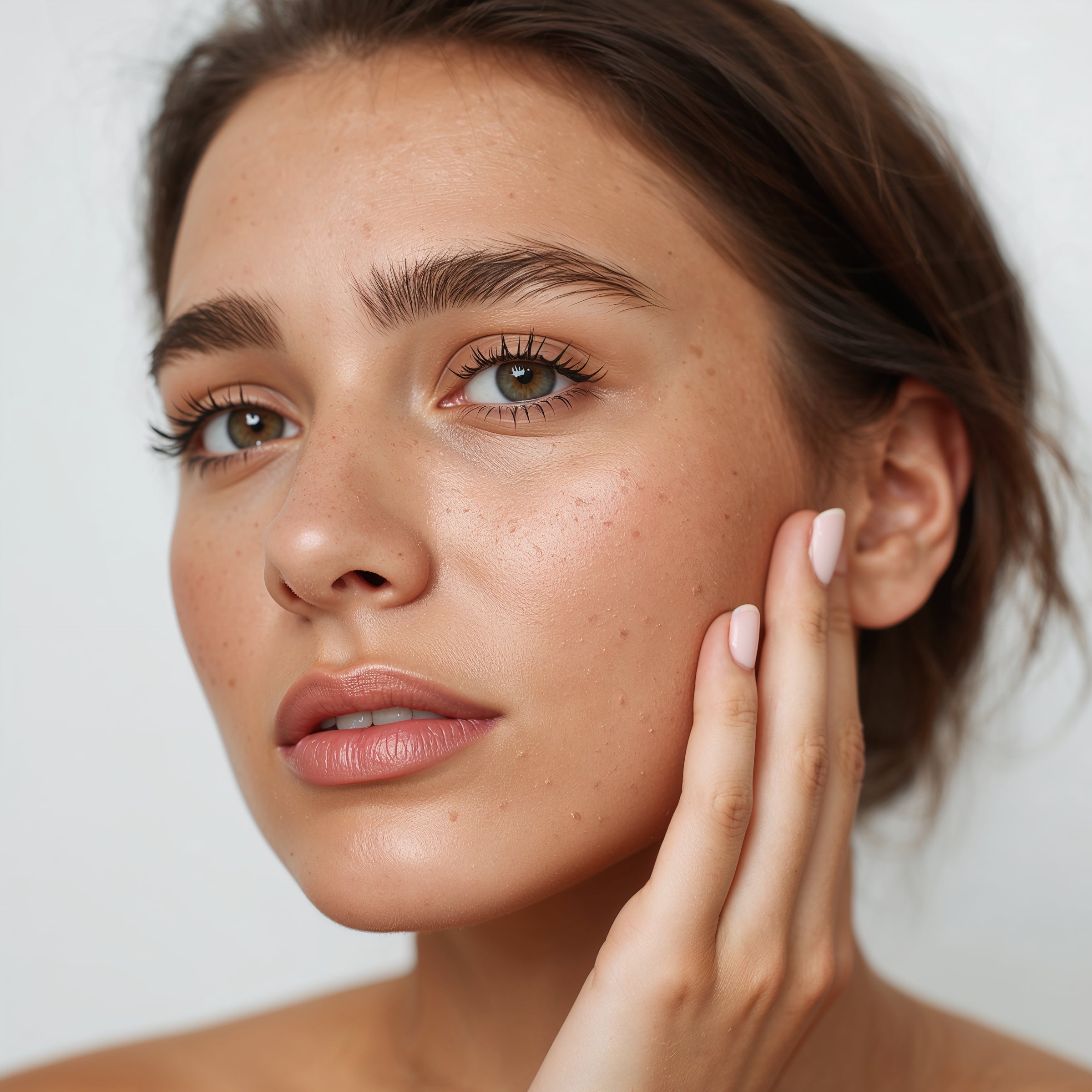
Breakouts before your period are hormonal clockwork, not a skincare failure. In the week to ten days before menstruation, estrogen falls while progesterone rises, which ramps up oil production and slightly swells the skin around pores, and then testosterone's relative influence peaks right as your period begins. The result is the familiar pattern: deeper, tender spots along the jawline, chin and mouth like a monthly subscription you never ordered. You cannot cancel the hormones, but you can absolutely blunt their skin effects naturally. Here is how.
In this article
- Why does skin break out before a period?
- How do you recognise hormonal acne?
- The natural routine that actually helps
- What makes period breakouts worse?
- FAQ
Why does skin break out before a period?
Your skin is an endocrine organ; it listens to every hormonal shift. In the luteal phase (the stretch after ovulation), rising progesterone stimulates the sebaceous glands to produce more oil and causes mild swelling that narrows pore openings. More oil plus tighter exits equals congestion. Then, just before bleeding starts, estrogen and progesterone both drop, leaving androgens proportionally louder, and androgens are the acne hormones. Add the water retention and inflammation of PMS week and you have the perfect monthly storm, typically surfacing 7 to 10 days before your period.
How do you recognise hormonal acne?
| Hormonal (cycle-linked) breakouts | Other breakouts | |
|---|---|---|
| Timing | Same week every month, pre-period | Random, or tied to products and habits |
| Location | Jawline, chin, around the mouth | Forehead, hairline, cheeks, back |
| Type | Deeper, tender, slower to surface | Surface whiteheads and blackheads |
| Best strategy | Consistent prevention all month | Fix the trigger (product, pillowcase, habit) |

The natural routine that actually helps
The core insight: hormonal congestion builds for days before it surfaces, so the winning routine runs all month, gently, rather than attacking spots when they appear.
- Gentle glycolic exfoliation, 2 to 3 nights a week, all cycle long. Keeping dead cells from accumulating means the extra luteal-phase oil has somewhere to go. Technique is in our glycolic exfoliator guide.
- Do not strip. Harsh cleansing during breakout week triggers rebound oil, exactly what your hormones are already overdoing. Cleanse soft, twice daily, done.
- Hydrate oil-free. Dehydrated skin produces more oil; a light gel keeps the balance without feeding congestion.
- Hands off the deep ones. Hormonal spots sit deep; squeezing turns a five-day bump into a five-week mark.
- Track your cycle. Knowing your storm week turns panic into preparation: exfoliation consistent, pillowcase fresh, makeup lighter, patience up.
- Support the basics. Sleep, stress and blood-sugar spikes all amplify androgens' effect on skin. Not glamorous, genuinely effective.
The all-month preventer
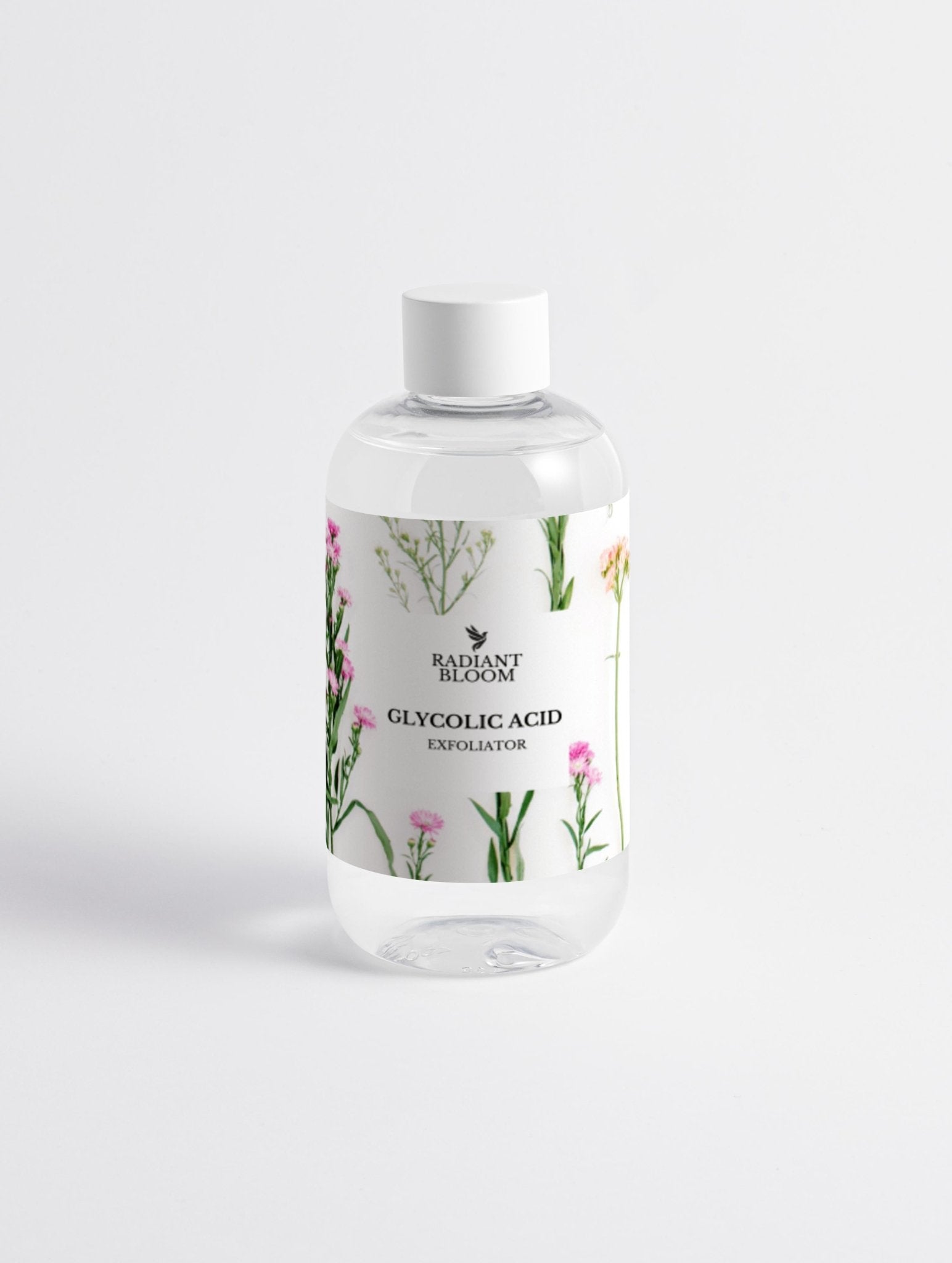
Glycolic Acid Liquid Exfoliator, 250ml
Sugarcane-derived AHA that keeps pores clear before hormone week arrives.
€19.99
Shop exfoliator →

Hydration that will not clog
Oil-Free Hydrating Gel
Featherweight moisture for the oily-yet-dehydrated hormone week paradox.
€24.99
Shop gel →

The no-strip cleanse
Organic Micellar Water with Hyaluronic Acid
Lifts oil and makeup without the harshness that triggers rebound sebum.
€19.99
Shop micellar water →
What makes period breakouts worse?
The classic own-goals: attacking spots with drying treatments that inflame the surrounding skin, adding a new "miracle" product mid-flare (you will never know what worked), skipping moisturiser out of fear of oil, high-sugar PMS comfort eating that spikes insulin and with it androgen activity, and sleeping on a week-old pillowcase during the exact week your skin is most vulnerable.
One important boundary: if breakouts are severe, scarring, or come with very irregular cycles or excess facial hair, that pattern deserves a doctor's attention rather than a skincare routine, since underlying hormonal conditions are treatable and worth ruling out.
Frequently asked questions
How many days before a period do breakouts start?
Typically 7 to 10 days before bleeding begins, during the late luteal phase when progesterone-driven oil production peaks. Tracking two cycles will reveal your personal pattern.
Why do period breakouts appear on the jawline and chin?
The lower face has the highest density of androgen-sensitive oil glands, so hormonally driven congestion clusters there, unlike habit-driven breakouts on the forehead or cheeks.
Can glycolic acid prevent hormonal breakouts?
It cannot change your hormones, but consistent gentle exfoliation keeps pores clear so the monthly oil surge has fewer places to get trapped, which reliably reduces how many spots surface.
Should I change my routine during breakout week?
Barely. Keep everything consistent, be extra gentle, and resist adding new actives mid-flare. Consistency across the whole cycle is what prevents the next one.
When are period breakouts a sign of something more?
If acne is severe or scarring, or comes with very irregular cycles or other hormonal symptoms, see a doctor. Persistent patterns like that can have treatable underlying causes worth checking properly.
Outsmart hormone week
Gentle, certified organic skincare that works with your cycle, not against it.
Shop the Cycle-Proof Routine →Certified Organic. Vegan. Cruelty-free.
This article is for general information and is not medical advice. For persistent or severe acne, or cycle changes that concern you, please talk to a doctor or dermatologist.