Einkaufswagen
0
British winter dries skin out from two directions at once: cold, low-humidity air outdoors and dry central heating indoors, with the constant switching between them weakening the skin barrier. The fix is to swap lighter summer textures for richer ones, cleanse more gently, add an oil or balm to seal moisture in, and keep wearing SPF. Most people notice their skin settle within a week or two of adjusting.
In this article: why UK winter is so hard on skin, what to change in your routine, central heating fixes, body and hands, common winter mistakes, and an FAQ.
Why does my skin get so dry in winter?
Cold air holds much less moisture than warm air. When outdoor humidity drops, water evaporates from your skin faster, a process called transepidermal water loss. Then you step indoors, where central heating dries the air even further, often below the comfortable range for skin. Your face spends all day cycling between the two, and every cycle chips away at the lipid barrier that holds moisture in.
Add the very British habit of a long, hot shower to warm up, plus wind exposure on the commute, and you have the perfect recipe for tightness, flaking and sensitivity by January. None of this means your skin type has changed. It means your barrier needs more support than it did in July.
What should you change in your routine?
You rarely need a completely new set of products. You need heavier textures and fewer stripping steps.
| Step | Summer | Winter swap |
|---|---|---|
| Cleanser | Gel or foam | Cream, milk or oil-based, once a day plus a rinse |
| Hydration | Light serum | Layer a hydrating toner and serum on damp skin |
| Moisturiser | Light lotion or gel | Richer cream, especially at night |
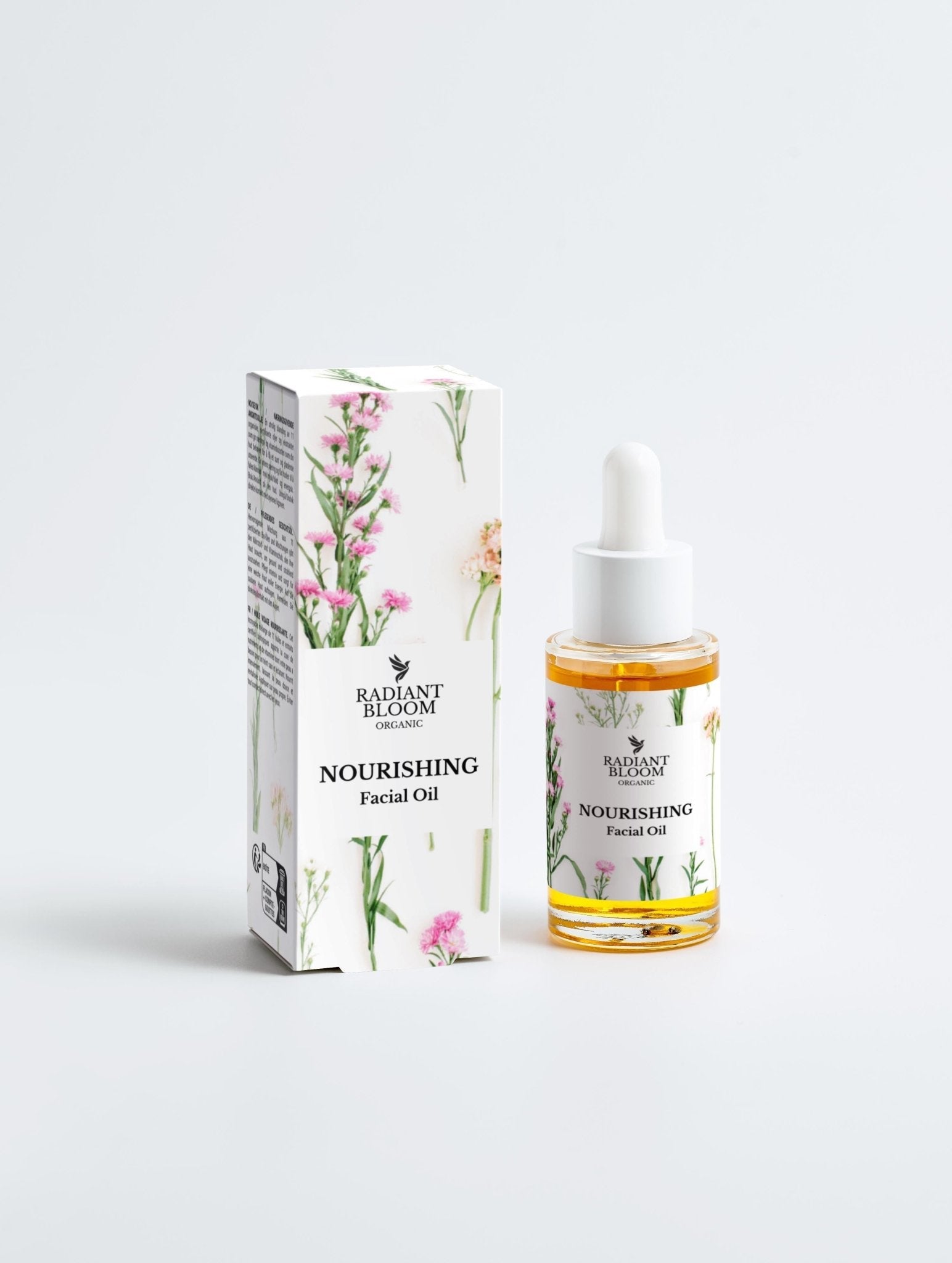
| Extra step | Usually none | A few drops of facial oil to seal everything in |
| Exfoliation | 2 to 3 times a week | Reduce to once or twice; skin is more fragile |
| SPF | Daily | Still daily. UVA passes through cloud and glass |

The winter addition
Nourishing Facial Oil
Press a few drops over your moisturiser at night to seal in hydration and shield skin against cold wind and dry indoor air.
View product →How do you stop central heating drying your skin?
Central heating is the part most people underestimate, because the damage happens slowly over the whole evening. A few practical fixes:
- Add moisture to the air. A humidifier in the bedroom makes a genuine difference overnight. A bowl of water near a radiator is the low-tech version.
- Turn the thermostat down slightly. Cooler rooms hold humidity better, and skin prefers it.
- Do not sit directly beside the radiator. Prolonged dry heat on the face is a common cause of winter redness.
- Moisturise before bed, not just in the morning. You are spending eight hours in the driest air of the day.
What about hot showers?
They feel wonderful in a cold house and they are one of the worst things for winter skin. Hot water dissolves the lipids that keep moisture in, which is why skin feels tight and itchy afterwards. Keep showers lukewarm and reasonably short, and apply moisturiser within a few minutes of getting out while skin is still damp. That single habit does more for winter dryness than most products.

Overnight · Repair
Collagen Anti-Age Night Cream
A richer night-time cream for the months when skin is working hardest to recover from cold outdoors and dry heat indoors.
View product →Do not forget hands, lips and body
Hands take the worst of it: cold air outside, frequent washing, and hot water. Keep a hand cream by the sink and apply after every wash. Body skin, particularly shins and forearms, benefits from moisturising straight after showering rather than an hour later. And if your face is flaking, resist the urge to scrub it away. Flaking is a sign the barrier is struggling, and scrubbing makes it worse. Hydrate and seal instead.

Daily · Barrier support
Sensitive Skin Moisturiser
Fragrance-free and organic, formulated to rebuild a barrier worn down by cold, wind and central heating.
View product →Winter skincare mistakes to avoid
- Skipping sunscreen. UVA levels are lower but still present, and they pass through cloud and windows.
- Exfoliating flaky patches harder. Flaking means a compromised barrier, not a need for more scrubbing.
- Piling on more actives. Winter is the time to simplify, not to add three new serums.
- Applying moisturiser to bone-dry skin. Apply while damp so there is water to trap.
- Assuming oily skin needs nothing extra. Oily skin gets dehydrated too, and often overproduces oil in response.
Frequently asked questions
Why is my skin so dry in winter even though I moisturise?
Usually because the texture is too light for the conditions, or it is applied to dry skin. Use a richer cream on damp skin and consider sealing with a facial oil at night.
Do I still need SPF in a British winter?
Yes. UVA rays, which drive ageing and pigmentation, are present year round and pass through cloud and glass. Daily SPF remains worthwhile.
Does central heating really dry out your skin?
Yes. It lowers indoor humidity substantially, which increases water loss from the skin. A bedroom humidifier and a slightly lower thermostat both help.
Should I change my whole routine for winter?
No. Keep the structure and swap textures: a gentler cleanser, a richer moisturiser, an added oil, and less frequent exfoliation.
Is facial oil good for dry winter skin?
Yes, as a final sealing step over moisturiser rather than instead of it. Oils are excellent at reducing water loss but do not hydrate on their own.
· · ·