Cart
0
The Best Alcohol-Free Toner for Your Face
TL;DR
An alcohol-free toner hydrates and balances skin instead of stripping it. Avoid "Alcohol Denat." and "SD Alcohol" on labels; choose a fragrance-free formula with rosewater, hyaluronic acid, and soothing botanicals instead. It's the right choice for nearly everyone - and essential for dry, sensitive, or rosacea-prone skin. Apply after cleansing, before moisturizer.

What Is an Alcohol-Free Toner?
An alcohol-free toner is a toner made without drying alcohols - the harsh, astringent type like denatured alcohol (Alcohol Denat.) and SD alcohol that strip the skin. Instead, it relies on hydrating, balancing ingredients such as rosewater, hyaluronic acid, glycerin, and soothing botanicals to refresh skin and restore its pH after cleansing, without the tightness or irritation alcohol causes. For the vast majority of people, an alcohol-free toner is simply the better, healthier choice - and for sensitive skin, it's the only choice that makes sense.
Why You Should Avoid Alcohol in Toner
Old-school toners were built around alcohol because it creates an immediate "squeaky clean," tight feeling and cuts oil fast.
The problem is that this feeling is actually your skin being stripped. Drying alcohols dissolve the skin's protective lipid barrier, and over time that causes real damage:
- Dryness and tightness as natural moisture is stripped away
- A weakened skin barrier, leading to sensitivity and irritation
- Rebound oiliness - stripped skin often overproduces oil to compensate
- Redness and stinging, especially on already-reactive skin
- Faster signs of ageing as the barrier loses its ability to hold moisture
In other words, an alcohol-heavy toner can quietly create the very problems you're trying to fix. This is one of the most common causes of a damaged skin barrier - and switching to alcohol-free is one of the simplest ways to protect it.
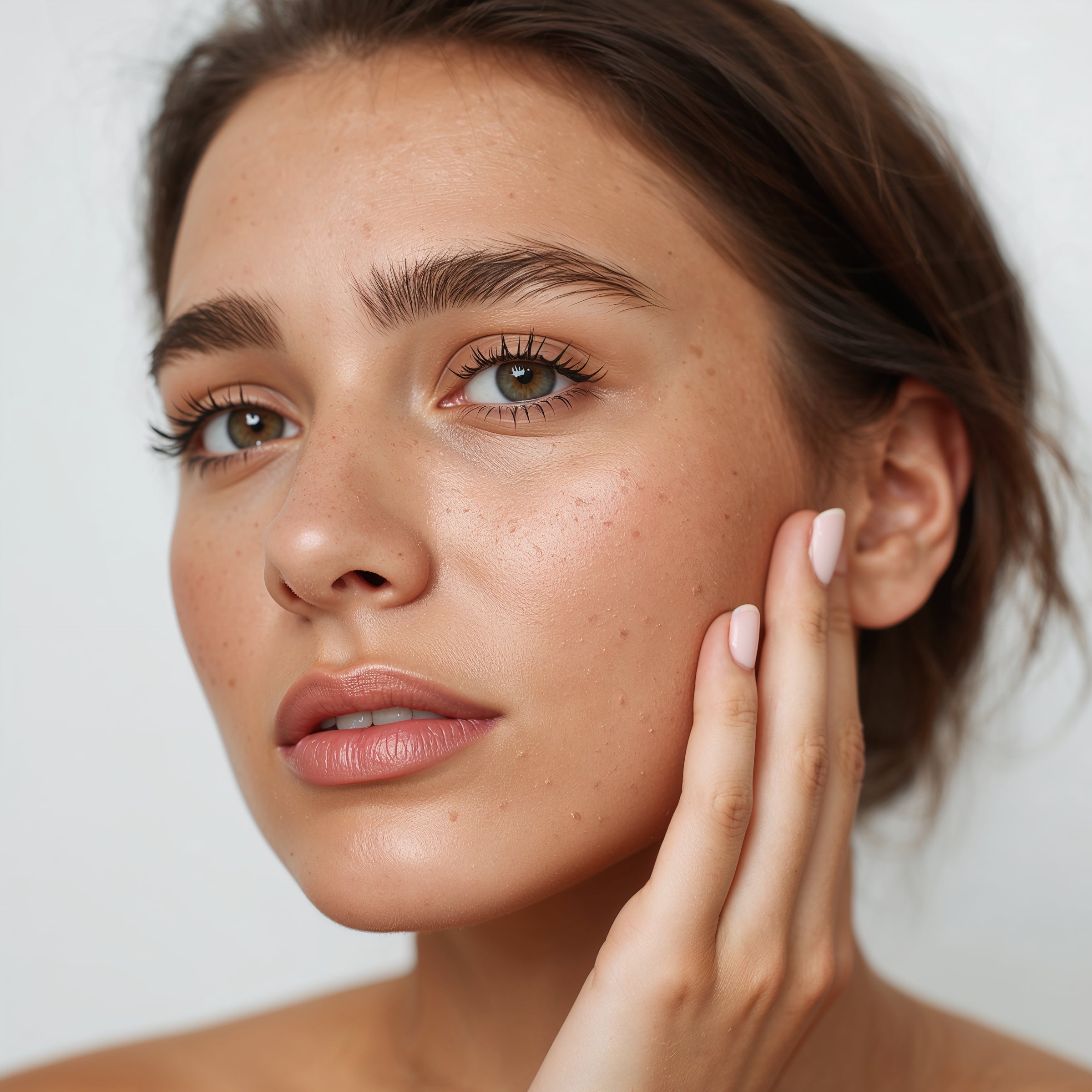
That "squeaky clean" tightness isn't clean skin — it's stripped skin. A good toner should leave you hydrated, never tight.
How to Spot Alcohol in a Toner (the Tricky Part)
Reading labels is where most people get caught out, because not all "alcohols" are bad. Here's the simple rule:
| Avoid (drying) | Fine (gentle emollients) |
|---|---|
| Alcohol Denat. | Cetyl Alcohol |
| SD Alcohol / SD Alcohol 40 | Stearyl Alcohol |
| Denatured Alcohol | Cetearyl Alcohol |
| Isopropyl Alcohol | Behenyl Alcohol |
The drying alcohols on the left strip skin. The fatty alcohols on the right are completely different - they're gentle, moisturizing emollients, and they're nothing to worry about. If you see one of the left-column ingredients near the top of a toner's list, put it back.
Who Needs an Alcohol-Free Toner Most?
Honestly, almost everyone benefits - but it's non-negotiable for these groups:
- Dry skin: Alcohol worsens dryness; a hydrating toner adds moisture instead.
- Sensitive and reactive skin: Alcohol is a leading trigger for stinging and redness.
- Rosacea-prone skin: Drying alcohols can set off flares; gentle hydration calms.
- Mature skin: Maintaining the barrier and moisture matters more with age.
- Anyone using actives like retinoids or exfoliating acids - an alcohol-free hydrating toner helps offset the dryness those can cause.

A hydrating toner leaves skin refreshed and comfortable — never tight.
What to Look for in a Great Alcohol-Free Toner
- Hydrating heroes: Rosewater, hyaluronic acid, and glycerin to add and hold moisture.
- Soothing botanicals: Aloe, chamomile, or centella to calm the skin.
- Fragrance-free: Synthetic fragrance is another common irritant — skip it.
- pH-balancing: Restores skin's natural pH after cleansing.
- Certified clean: ECOCERT or COSMOS certification confirms the formula avoids the usual irritants.
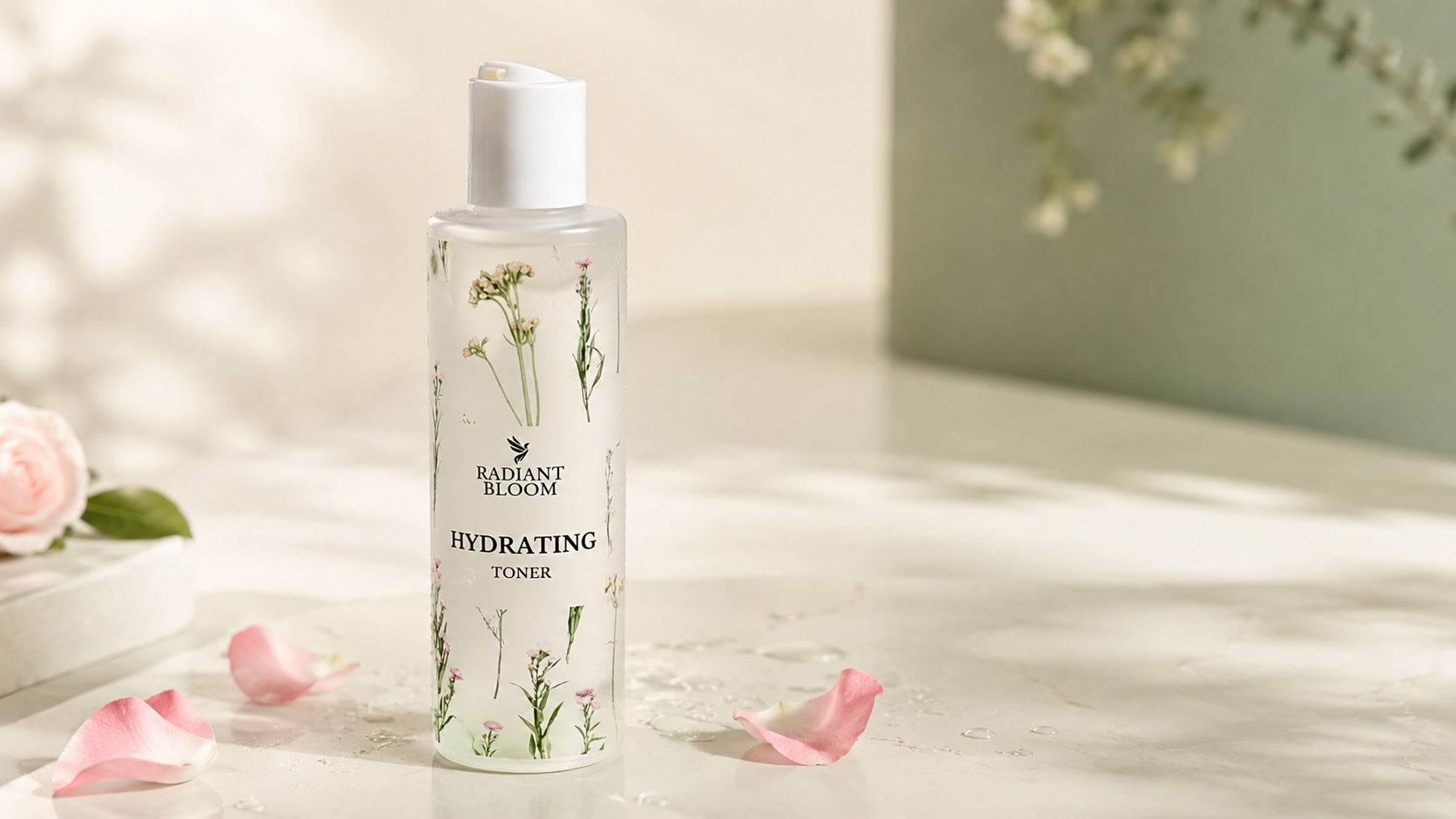
Radiant Bloom's Hydrating Toner ticks every box: rosewater and hyaluronic acid in a fragrance-free, alcohol-free, pH-balancing formula that refreshes and replenishes without stripping - gentle enough for sensitive skin and suitable for all skin types.
How to Use an Alcohol-Free Toner
Toner is a simple step that slots in right after cleansing:
- 1. Cleanse with a gentle cleanser.
- 2. Tone - apply to clean skin with hands (press in) or a cotton pad, morning and evening.
- 3. Treat - follow with your serum, such as niacinamide or hyaluronic acid.
- 4. Moisturize to seal everything in.
- 5. SPF in the morning, always.
A hydrating toner also primes the skin to absorb the products that follow — so it makes your whole routine work a little better. It fits perfectly into the framework in our organic routine for sensitive skin.
Key Takeaways
- Alcohol-free toners hydrate and balance instead of stripping the skin.
- Avoid these on labels: Alcohol Denat., SD Alcohol, Denatured Alcohol, Isopropyl Alcohol.
- Fatty alcohols (cetyl, stearyl, cetearyl) are fine — they're gentle moisturizers, not drying.
- Essential for dry, sensitive, rosacea-prone, and mature skin, and helpful for everyone.
- Look for rosewater, hyaluronic acid, glycerin, soothing botanicals, and fragrance-free formulas.
- Use after cleansing, before serum and moisturizer, morning and night.
✦
Frequently Asked Questions
What is the best alcohol-free toner for face?
The best alcohol-free toner is one that hydrates and balances without stripping — look for a fragrance-free formula built around rosewater, hyaluronic acid, glycerin, and soothing botanicals, with no denatured or SD alcohol in the ingredient list. Radiant Bloom Organic's Hydrating Toner uses rosewater and hyaluronic acid to refresh and replenish moisture while respecting the skin barrier, making it suitable for sensitive and all skin types.
Why should you avoid alcohol in toner?
Drying alcohols like denatured alcohol and SD alcohol strip the skin's natural oils and weaken the skin barrier, which leads to dryness, tightness, irritation, and over time increased sensitivity and even more oil production. Alcohol-free toners hydrate and balance the skin instead of dehydrating it, which is why they are the better choice for nearly everyone — and essential for sensitive, dry, or rosacea-prone skin.
Is alcohol-free toner good for dry and sensitive skin?
Yes — alcohol-free toner is the ideal choice for dry and sensitive skin. Without drying alcohols, it adds a layer of hydration and helps balance the skin's pH after cleansing without causing the tightness or stinging that alcohol-based toners often trigger. Look for added hyaluronic acid and soothing botanicals like rosewater, aloe, or chamomile.
Do you use toner before or after moisturizer?
Toner goes before moisturizer. After cleansing, apply toner to clean skin (with hands or a cotton pad), let it absorb for a few seconds, then layer your serum and moisturizer on top. A hydrating alcohol-free toner actually helps your following products absorb better by adding a base layer of moisture.
How do you know if a toner contains alcohol?
Check the ingredient list for 'Alcohol Denat.', 'SD Alcohol', 'Denatured Alcohol', or 'Isopropyl Alcohol' — these are the drying alcohols to avoid. Fatty alcohols like cetyl, stearyl, and cetearyl alcohol are completely different and are not drying; they are gentle emollients, so do not confuse them with the drying types.
Can you use alcohol-free toner every day?
Yes. A hydrating alcohol-free toner is gentle enough for daily use, morning and evening, after cleansing. Because it hydrates rather than strips, daily use supports the skin barrier rather than damaging it — unlike astringent alcohol-based toners, which should not be used frequently on most skin types.