Cart
0
The best vegan face wash cleans without stripping, contains nothing animal-derived, and is honest about both. That second part matters more than most shoppers realise: several of the most common cleanser ingredients quietly come from animals, and "vegan" is rarely verified. This guide covers what to look for, what to avoid, which cleanser format suits your skin, and the sneaky ingredients that disqualify a face wash from being vegan at all.
In this article
- What makes a face wash genuinely vegan?
- What should a good face wash never do?
- Which vegan cleanser format suits your skin?
- How do you use it for the best results?
- FAQ
What makes a face wash genuinely vegan?
Cleansers hide more animal-derived ingredients than almost any other product category. Scan the label for these before trusting the front of the bottle:
- Honey and beeswax, beloved in "natural" cleansers, never vegan.
- Lanolin, from sheep's wool, common in creamy and balm cleansers.
- Milk proteins and lactic acid, lactic acid can be plant-fermented or dairy-derived; vegan brands state which.
- Glycerin and stearic acid, the biggest hidden variables, both can be animal or plant sourced. A genuinely vegan brand specifies plant origin.
- Collagen and keratin, almost always animal-derived when listed.
The difference between vegan and organic claims, and why the strongest products verify both, is a topic of its own, covered in our guide to organic vs vegan skincare.
What should a good face wash never do?
Vegan or not, the number one failure of face washes is over-cleansing. That tight, squeaky after-feel is not "deep clean", it is a stripped acid mantle, and it triggers rebound oil, sensitivity and breakouts. A good cleanser, vegan included, should:
- Remove makeup, SPF and sebum without the tight after-feel
- Skip harsh sulphates in favour of gentle plant-derived cleansing agents
- Skip synthetic fragrance, the most common cleanser irritant
- Respect your skin barrier, since everything you apply afterwards depends on it

Which vegan cleanser format suits your skin?
| Format | Best for | Watch out for |
|---|---|---|
| Oil-to-milk cleanser | Dry, sensitive, mature skin; makeup and SPF wearers | Little; the gentlest thorough format |
| Gel cleanser | Oily and combination skin | Sulphates hiding in cheap formulas |
| Cream cleanser | Dry and reactive skin | Lanolin (not vegan) in traditional formulas |
| Micellar water | Light days, first cleanse, travel, lazy nights | Not enough alone for heavy makeup or SPF |
| Foaming wash | Very oily skin, humid climates | The squeaky-strip risk is highest here |
The gentle all-rounder
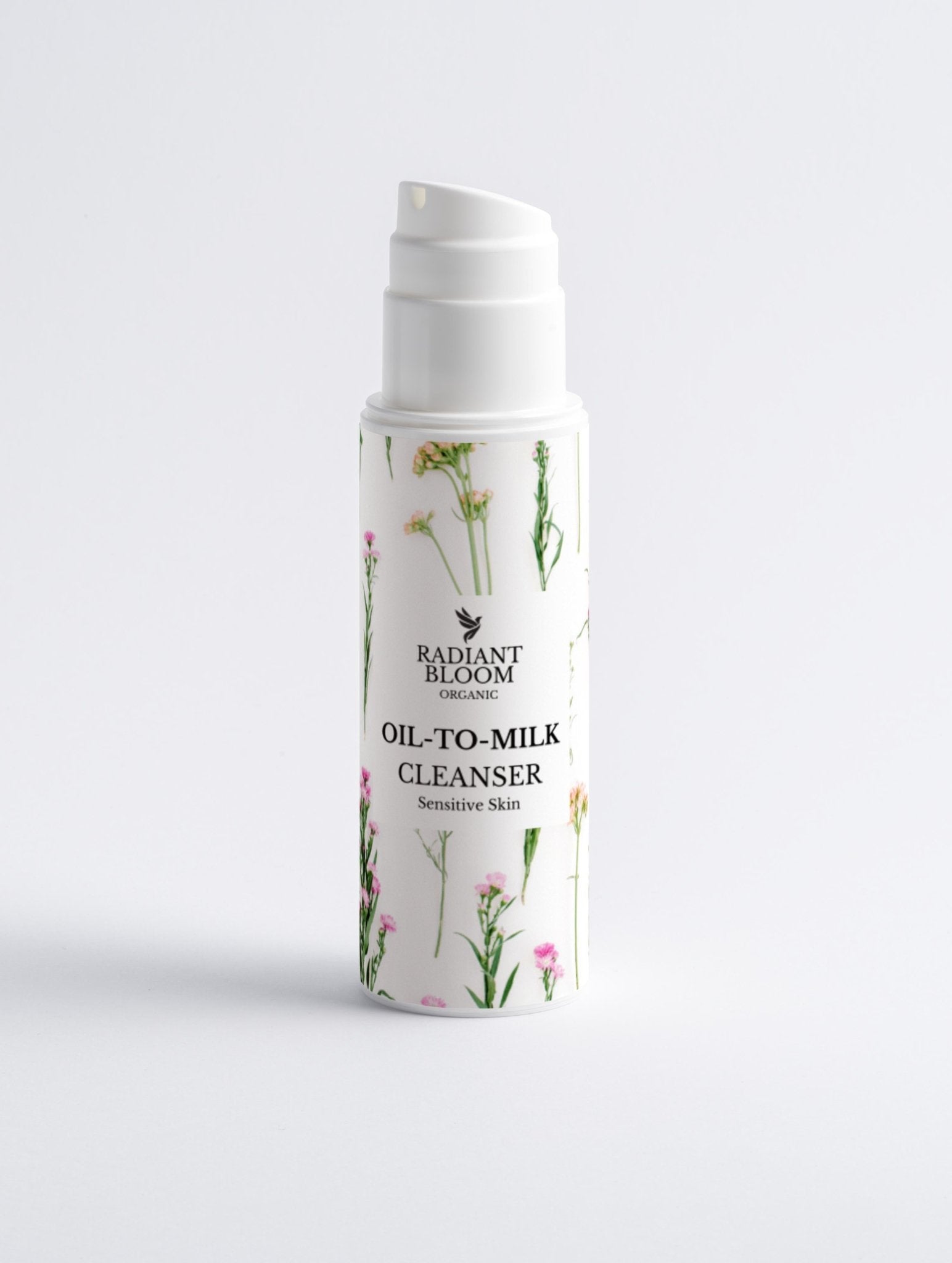
Sensitive Skin Oil-To-Milk Cleanser
Fully vegan, organically sourced plant oils that melt makeup and SPF, then rinse to a soft milk, no tightness, ever.
€24.99
Shop cleanser →

The light-day partner
Organic Micellar Water with Hyaluronic Acid
Vegan micellar cleansing that hydrates as it wipes, morning cleanse and travel hero.
€19.99
Shop micellar water →
How do you use it for the best results?
- Evenings: the real cleanse. Massage an oil-to-milk cleanser onto dry skin for 30 to 60 seconds, add water to emulsify, rinse lukewarm. Heavy makeup days: micellar swipe first, cleanser second.
- Mornings: keep it light. Micellar water or just the cleanser with a quick rinse; overnight skin does not need scrubbing.
- Lukewarm water only. Hot water strips as effectively as any sulphate.
- Pat, never rub, dry, then apply serums to still-damp skin so hydrators have water to hold.
Where cleansing fits in the bigger picture, and what comes after it, is mapped in our complete vegan skincare guide.
Frequently asked questions
Is vegan face wash better for sensitive skin?
Often, indirectly: vegan formulas exclude lanolin, a known sensitiser, and vegan brands tend to skip harsh extras. But vegan alone is no guarantee; look for fragrance-free and sulphate-free too.
What ingredients make a face wash not vegan?
Honey, beeswax, lanolin, milk derivatives, animal-derived glycerin or stearic acid, collagen and keratin. The glycerin question is the sneakiest; vegan brands state its plant origin.
Can I use a vegan oil cleanser on oily skin?
Yes, and it often helps. Oil dissolves oil, so an oil-to-milk cleanser removes sebum thoroughly without triggering the rebound oiliness that stripping gels cause.
Is micellar water enough on its own?
For light, makeup-free days, yes. For SPF or makeup days, use it as a first step before a proper cleanser, since micelles lift but do not fully dissolve heavy films.
How often should I wash my face?
Twice daily is the ceiling for almost everyone, with the thorough cleanse in the evening. More frequent washing strips the barrier and backfires within a week.
Cleansing your skin barrier will thank you for
Vegan, certified organic cleansing for skin that hates being stripped.
Shop Vegan Cleansing →Certified Organic. Vegan. Cruelty-free.