Cart
0
Organic and vegan skincare answer two completely different questions. Vegan tells you what is not in the product: no animal-derived ingredients. Organic tells you how the ingredients were grown and verified: certified farming, audited supply chains, banned synthetics. A product can be vegan without a single organic ingredient, and organic without being vegan. If you have to prioritise one label, certified organic is the higher bar, because it is independently audited while "vegan" is usually self-declared. Here is the full comparison, and why the best skincare simply refuses to choose.
In this article
- What does each label actually promise?
- Organic vs vegan: the side-by-side comparison
- Which label matters more for your skin?
- Why settle for one when you can require both?
- FAQ
What does each label actually promise?
Vegan is an ingredient exclusion: no beeswax, honey, lanolin, carmine, animal collagen, keratin or any other animal-derived material. It says nothing about how the plant ingredients were farmed, what pesticides touched them, or whether the formula contains synthetic fragrance and petrochemicals. A vegan product can be entirely synthetic.
Organic, in its certified form, is a sourcing and formulation standard: ingredients traceable to organic farming, annual third-party audits, and a long list of banned synthetics, as we break down in our guide to what ECOCERT and COSMOS certification means. It says nothing, however, about animal-derived ingredients: certified organic beeswax and lanolin exist.
So the labels are not competitors; they are two different axes. The confusion only exists because marketing uses both words as vague synonyms for "good".
Organic vs vegan: the side-by-side comparison
| Certified organic | Vegan | |
|---|---|---|
| The question it answers | How were the ingredients grown and processed? | Do any ingredients come from animals? |
| Independently audited? | Yes, annually, when certified (ECOCERT, COSMOS) | Usually self-declared; certification optional |
| Bans synthetic fragrance and parabens? | Yes, under COSMOS rules | No |
| Excludes beeswax, lanolin, carmine? | No | Yes, always |
| Says anything about animal testing? | No, separate certification | No, separate certification |
| Hardest to fake | Yes, audit trail required | Easier, unless certified |
Note the last two rows: neither label covers animal testing, which is why cruelty-free verification is its own subject, covered in our guide to cruelty-free claims.

Which label matters more for your skin?
Honestly: for skin outcomes, certified organic carries more information. It guarantees the absence of the most common irritants (synthetic fragrance above all), verified ingredient quality, and an audited supply chain, all things that directly affect how a formula behaves on sensitive skin. Vegan is primarily an ethical statement, and a worthy one, but it does not by itself predict anything about gentleness or quality; a vegan formula can still be a fragrance-heavy synthetic cocktail.
For your values, only you can rank them. The practical point is that they are independent choices, so you never actually have to trade one for the other.
Why settle for one when you can require both?
Certified organic plus vegan plus cruelty-free is a combination few brands manage, because each raises the sourcing bar further: every animal-derived organic ingredient must be replaced with a plant-based equivalent that still passes the organic audit. It is the standard we formulate to, which is why our vegan range keeps appearing in guides like our honest vegan brands comparison under the certified organic column.

Both labels, one bottle
Organic Bakuchiol Oil Serum
ECOCERT-certified organic bakuchiol in a fully vegan formula, the overlap this article is about.
€34.99
Shop bakuchiol →
Plant oils, organic farms
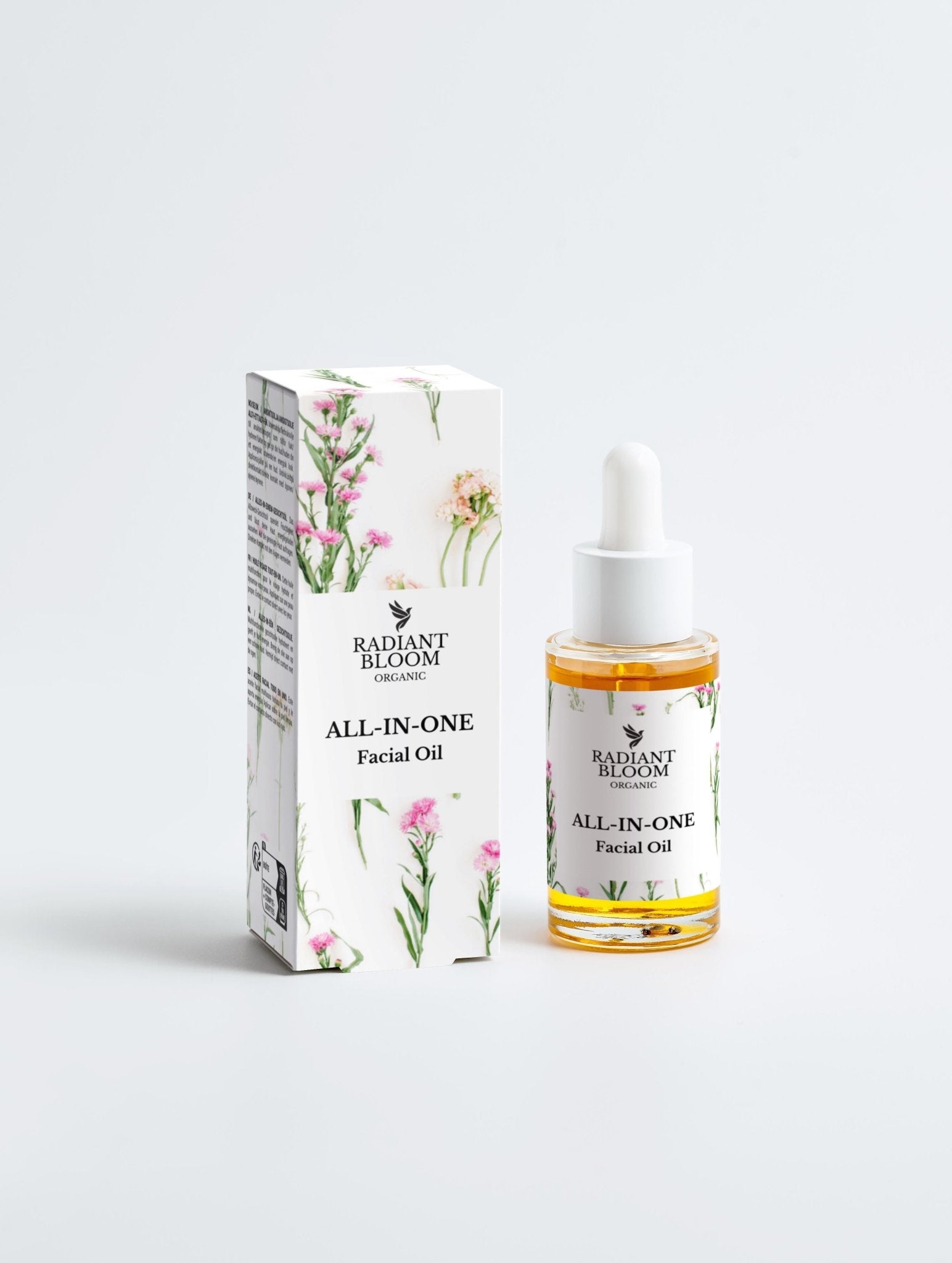
All-In-One Facial Oil
Organically farmed plant lipids with nothing animal-derived and nothing synthetic hiding behind the word "parfum".
€26.99
Shop facial oil →
Frequently asked questions
Can a product be vegan but not organic?
Easily, and most vegan products are exactly that: plant-based or synthetic ingredients from conventional farming and chemistry. Vegan restricts what goes in; it says nothing about how it was grown.
Can a product be organic but not vegan?
Yes. Beeswax, honey, lanolin and milk-derived ingredients can all be certified organic. Organic status describes farming standards, not animal origin.
Which is better for sensitive skin, organic or vegan?
Certified organic is the more predictive label, because it bans synthetic fragrance and other common irritants. For truly reactive skin, look for certified organic, vegan and fragrance-free together.
Does organic or vegan mean cruelty-free?
Neither does. Animal testing is a separate question with its own certifications, like Leaping Bunny. The strongest products carry all three verifications.
Is organic skincare worth the higher price over vegan-only?
If ingredient quality and auditing matter to you, yes: the premium pays for certified farming and annual inspections. Vegan-only products are often cheaper precisely because the claim costs nothing to make.
Why choose? Have both.
Certified organic sourcing, fully vegan formulas, cruelty-free by principle.
Shop Organic & Vegan Skincare →Certified Organic. Vegan. Cruelty-free.