Cart
0
An organic hair care routine needs just five steps: a weekly scalp reset, a gentle organic shampoo, a nourishing conditioner or mask, a leave-in for protection, and a scalp oil treatment two or three evenings a week. In that order, with organic products, most people see calmer scalps within two weeks and visibly healthier hair within two months, because you stop stripping and start feeding. Here is the full routine, the order that makes it work, and what to expect week by week.
In this article
- Why does switching to organic hair care change results?
- The 5-step organic hair routine (in order)
- How often should you do each step?
- What results should you expect, and when?
- FAQ
Why does switching to organic hair care change results?
Conventional hair care often works by force: strong sulphates strip everything (including your scalp's protective sebum), then heavy silicones coat the damage so it feels smooth. The cycle looks fine for a wash or two and slowly leaves hair dependent, dull under the coating, and the scalp either oily from rebound or tight and flaky.
Organic hair care works by support instead: milder plant-based cleansers, real oils and butters that penetrate rather than coat, and scalp treatments that treat the follicle as the root of the problem, literally. The trade-off is honesty: the first week or two can feel different while your scalp recalibrates, which is why the routine below matters more than any single product. If you are mid-switch, our guides on choosing an organic shampoo and choosing an organic hair oil cover the product-picking side.
The 5-step organic hair routine (in order)
| Step | What it does | How often |
|---|---|---|
| 1. Scalp scrub | Clears buildup so everything after it reaches the follicles | Once a week, before shampoo |
| 2. Organic shampoo | Cleans without stripping; lather on the scalp, not the lengths | 2 to 3 times a week |
| 3. Conditioner or mask | Feeds the mid-lengths and ends; mask replaces conditioner weekly | Every wash |
| 4. Leave-in protection | Seals moisture, controls frizz, buffers heat styling | On towel-dried hair, every wash |
| 5. Scalp oil treatment | Massage-in rosemary oil for circulation, strength and growth support | 2 to 3 evenings a week |
The order is the secret: scrub before shampoo (never after), condition lengths not roots, and oil on wash-eve nights so it works for hours before rinsing, timing we cover in how long to leave rosemary oil in and the dilution rules in our rosemary oil how-to guide.


Step 2: the gentle wash
Colour Care Shampoo, Peachy Grapefruit Zest
Cleanses without stripping colour or scalp, the everyday base of the routine.
€24.99
Shop shampoo →

Step 3: feed the lengths
Split-End Rescue Mask Conditioner, Citrus Cocktail
Conditioner-mask hybrid that repairs ends instead of coating them.
€24.99
Shop conditioner →
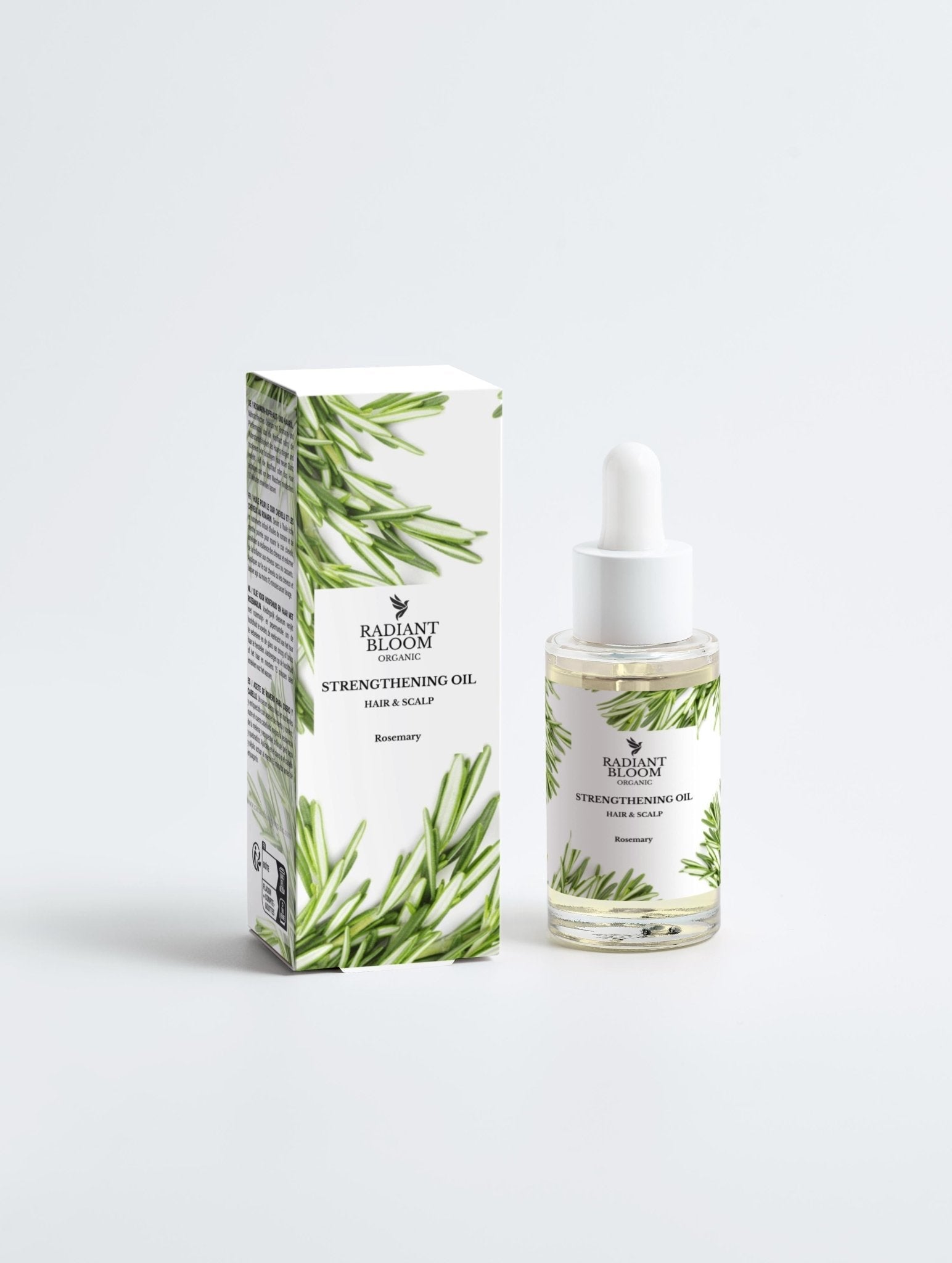
Step 5: the growth ritual
Organic Rosemary Hair & Scalp Oil
Pre-diluted rosemary in organic carrier oils, massage in, leave on, let it work.
€27.99
Shop rosemary oil →

For the whole family
Organic Baby Shampoo for Sensitive Skin
The same organic standard, gentle enough for the smallest heads in the house.
€24.99
Shop baby shampoo →
How often should you do each step?
Wash 2 to 3 times a week; daily washing keeps the strip-and-rebound cycle alive. Scrub once weekly, mask once weekly in place of conditioner, leave-in every wash, and scalp oil 2 to 3 evenings a week, ideally the night before wash day. Oily scalps: keep the routine but lighten the leave-in. Dry or curly hair: add the right hair oil on the lengths between washes.
What results should you expect, and when?
Weeks 1 to 2: the adjustment, hair may feel different as silicone coatings wash out and your scalp recalibrates its oil production. Weeks 3 to 4: calmer scalp, less flaking and itch, natural shine returning. Month 2: noticeably softer, stronger lengths and less breakage. Months 4 to 6: this is where consistent rosemary scalp work shows in the mirror, in line with the clinical timelines we cover in does rosemary oil really help hair grow. Take a photo on day one; the change is gradual enough that you will otherwise argue with your own memory.
Frequently asked questions
What order should organic hair products be used in?
Scalp scrub first (pre-shampoo, weekly), then shampoo on the scalp, conditioner or mask on the lengths, leave-in on towel-dried hair, and scalp oil treatments on non-wash evenings.
Will my hair get greasy when I switch to organic shampoo?
Possibly for a week or two. Scalps used to daily stripping overproduce oil; once cleansing turns gentle, production rebalances. Push through the adjustment before judging.
Do organic hair products work on coloured hair?
Yes, often better: sulphate-free cleansing fades colour more slowly, which is why colour-care formulas are built around gentle organic surfactants.
Can the whole family use one organic routine?
Adults can share the core routine; babies and small children should have their own dedicated gentle formula, since their scalps need even milder cleansing.
How long until an organic hair routine shows results?
Scalp comfort improves within 2 to 4 weeks, hair condition within about 2 months, and growth-related changes from scalp treatments take 4 to 6 months of consistency.
The full routine, one standard
Organic hair care from scalp scrub to leave-in, made to be used together.
Build Your Organic Hair Routine →Certified Organic. Vegan. Cruelty-free.
This article is for general information. Sudden or patchy hair loss deserves a doctor or trichologist visit, since the cause matters more than the routine.