Cart
0
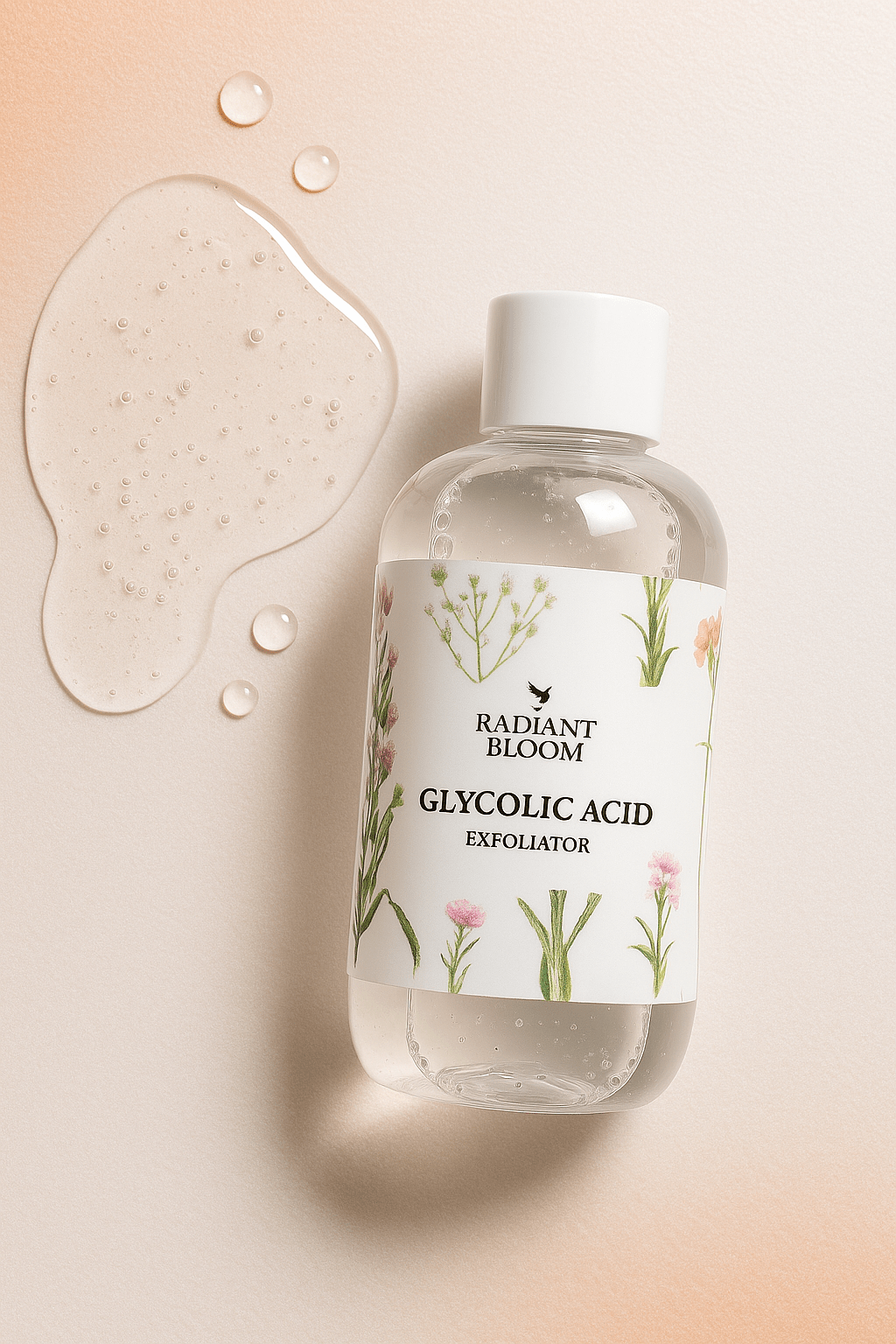
Glycolic Acid for Skin: The Complete Guide
What glycolic acid actually does, the benefits backed by science, how to use it safely, and how it compares to lactic acid — plus who should reach for the gentler option.

Glycolic acid is one of the most proven, most studied ingredients in all of skincare — and for good reason. It smooths texture, brightens dullness, fades dark spots, and over time even helps build collagen. But it is also frequently misused, and the wrong strength or routine can leave skin red and irritated. This complete guide explains exactly what glycolic acid does for your skin, how to use it the right way, how it compares to gentler lactic acid, and how to get glowing results without the irritation.
What Is Glycolic Acid?
Glycolic acid is an alpha-hydroxy acid, or AHA — a chemical exfoliant traditionally derived from sugarcane. Unlike a physical scrub that manually buffs away skin, glycolic acid works chemically: it dissolves the bonds holding dull, dead skin cells to the surface, allowing them to shed and reveal the fresher, smoother skin underneath.
What makes glycolic acid special is its molecule size. It has the smallest molecule of any AHA, which means it penetrates the skin more deeply and efficiently than alternatives like lactic or mandelic acid. That deep penetration is the source of both its power and, if misused, its potential to irritate.
The Benefits of Glycolic Acid for Skin
Glycolic acid earns its reputation by delivering across several of the most-wanted skincare outcomes at once:
- Smooths texture: By sweeping away dead surface cells, it leaves skin noticeably softer and more refined.
- Brightens dullness: Regular exfoliation reveals fresh skin, restoring a natural glow to tired, lacklustre complexions.
- Fades dark spots & hyperpigmentation: It accelerates the turnover of pigmented cells and helps even out skin tone.
- Softens fine lines: At higher concentrations and with consistent use, glycolic acid stimulates collagen, helping firm skin over time.
- Unclogs pores: It clears the build-up of oil and debris that leads to blackheads and congestion.
- Boosts hydration: Glycolic acid helps the skin produce more of its own natural moisturizing factors, including hyaluronic acid.
Glycolic acid is one of the few exfoliants that smooths the surface today and builds collagen underneath over time.
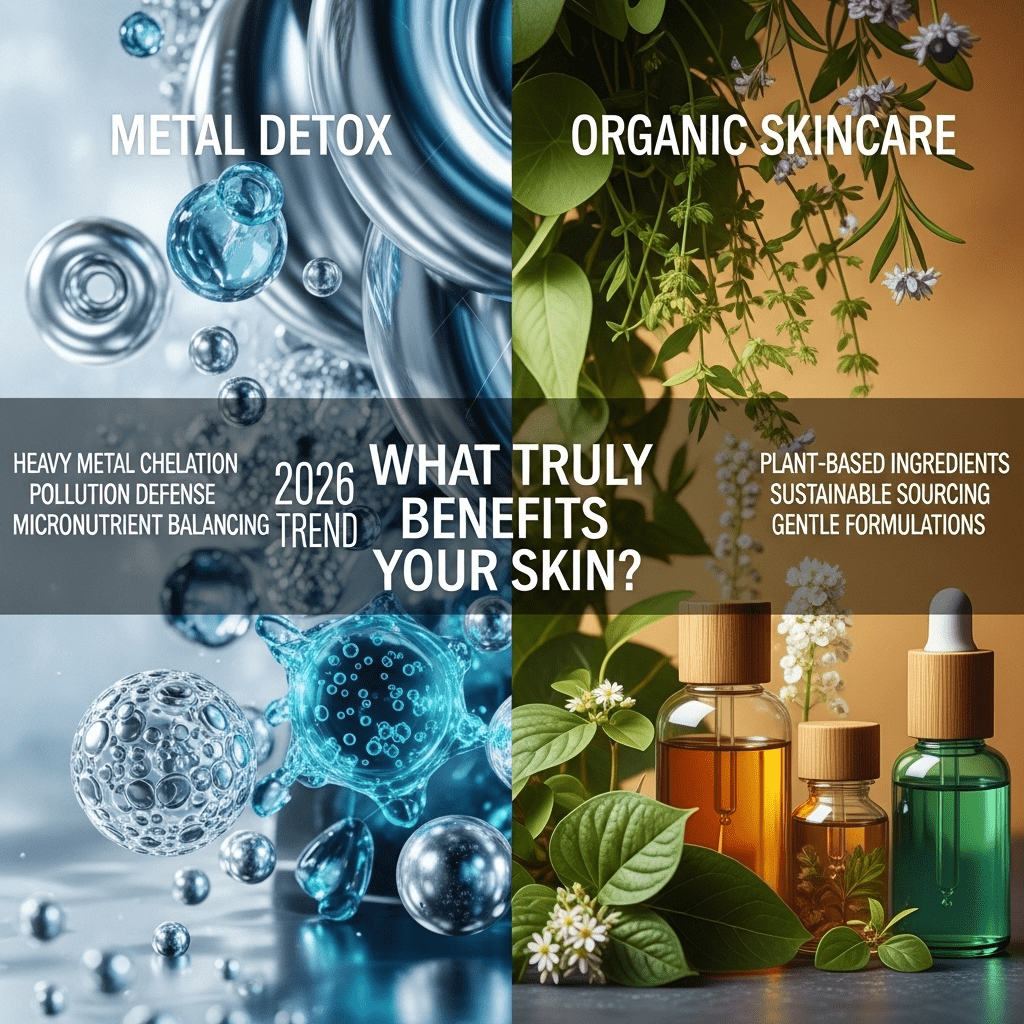
What "Organic" Glycolic Acid Actually Means
When you see "glycolic acid organic," it refers to two things: the glycolic acid is derived from a plant-based, organically farmed source (typically sugarcane), and the surrounding formulation avoids synthetic additives, parabens, artificial fragrances, and drying alcohols. This matters more than it sounds. Many conventional glycolic products pair the acid with harsh alcohols and synthetic fragrance — a combination that compounds irritation, especially on already-exfoliated skin.
An organic, thoughtfully buffered formula delivers the same exfoliating benefit while supporting the skin barrier rather than stripping it. If your skin is sensitive, or you simply prefer cleaner formulations, this difference is significant. For more on what certification really guarantees, see our natural vs organic skincare guide.
Glycolic Acid vs Lactic Acid: Which Should You Use?
Glycolic and lactic acid are the two most popular AHAs, and the right choice comes down to your skin type and goal. The key difference is molecule size: glycolic is smaller and penetrates deeper for more intensive renewal, while lactic is larger, works more gently on the surface, and also hydrates.
| Factor | Glycolic Acid | Lactic Acid |
|---|---|---|
| Molecule size | Smallest AHA — penetrates deepest | Larger — works nearer the surface |
| Strength | More intensive exfoliation | Gentler exfoliation |
| Hydration | Boosts skin's own moisture factors | Also directly hydrating |
| Best for | Oily skin, texture, dullness, dark spots | Dry, sensitive, or beginner skin |
| Irritation risk | Higher (deeper penetration) | Lower |
| Radiant Bloom product | Glycolic Acid Liquid Exfoliator (3.5%) | AHA Peeling Concentrate (10% lactic + HA) |
The good news: you do not have to choose blind. Radiant Bloom makes one of each. The Glycolic Acid Liquid Exfoliator is the deeper-acting option for texture and glow, while the AHA Peeling Concentrate uses gentler lactic acid with hyaluronic acid for hydrating overnight renewal — ideal for drier or more sensitive skin.
Who Should Use Glycolic Acid?
Glycolic acid is a fantastic fit if your main concerns are dullness, uneven texture, dark spots, clogged pores, or early fine lines — and your skin is normal, combination, or oily. It is also one of the most effective ingredients for maintaining a consistent, healthy glow over the long term.
Glycolic Acid for Sensitive and Oily Skin
For oily and acne-prone skin
This is where glycolic acid excels. Oilier skin generally tolerates its deep penetration well, and the acid actively clears the pore congestion that leads to blackheads and breakouts. A low-percentage daily-use formula works beautifully here.
For sensitive skin
Glycolic acid can work for sensitive skin, but with care. Because it penetrates deeply, reactive skin should start with a low concentration (around 3–5%), use it just once or twice a week, and always patch test first. If your skin is very reactive or rosacea-prone, the gentler lactic acid option is often the smarter choice. Our organic routine for sensitive skin shows how to introduce exfoliation safely.
Golden rule: Exfoliated skin is more vulnerable to UV damage. Whenever you use glycolic acid, wearing a daily SPF the next morning is non-negotiable — see our guide to mineral sunscreen for sensitive skin.
How to Use Glycolic Acid Correctly
- Use it in the evening. This avoids layering exfoliation with daytime sun exposure.
- Start slow. Once or twice a week to begin, building to 2–3 times as your skin adjusts.
- Apply to clean, dry skin. A few drops swept gently across the face with fingers or a cotton pad, avoiding the eye area.
- Follow with moisturizer. Replenish hydration after exfoliating.
- Always wear SPF the next day. Every single day you use an AHA.
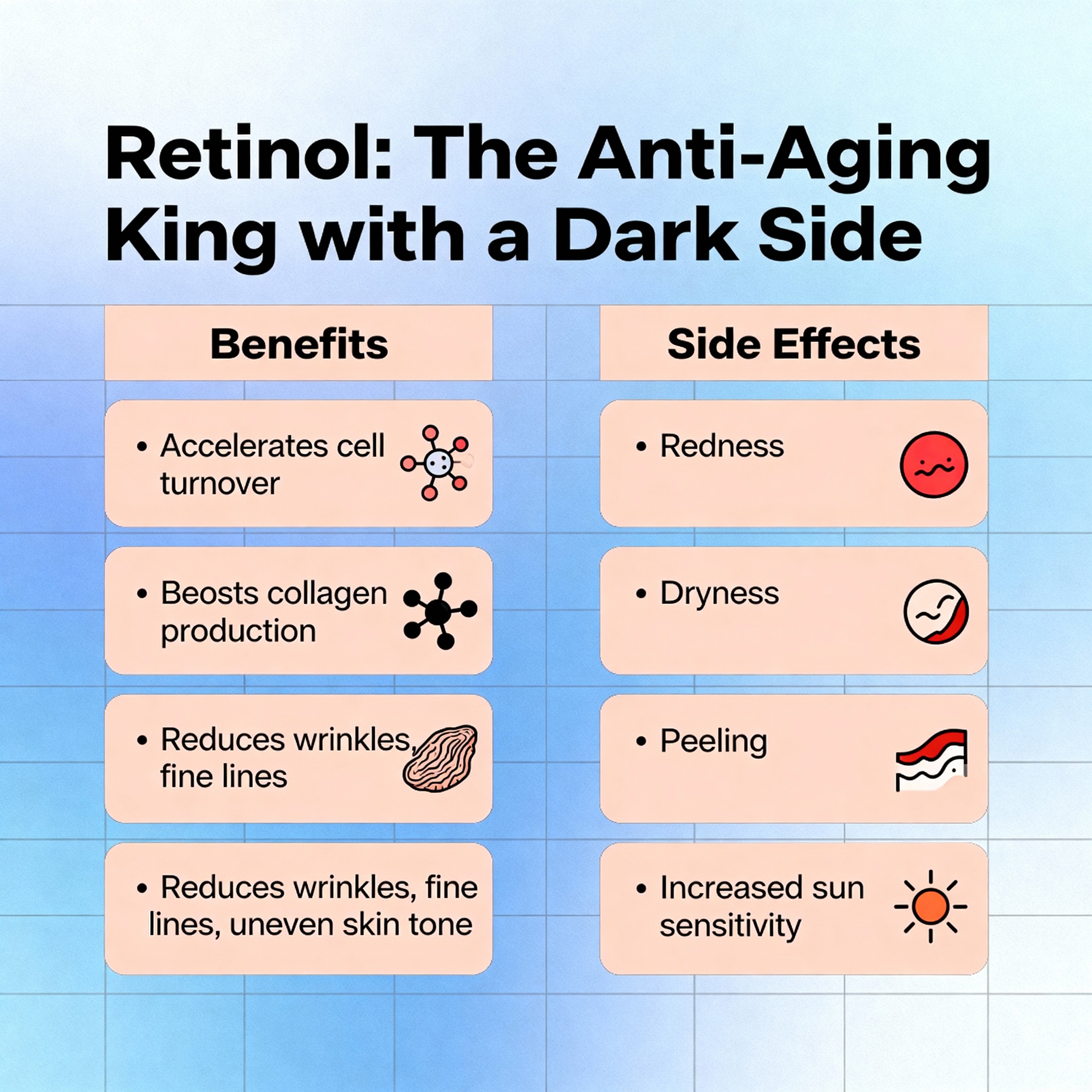
- Don't combine with retinol. Alternate them on different nights to avoid over-irritation.
New to building a routine altogether? Start with our guide to building your first skincare routine, then add exfoliation once your basics are consistent.
Common Glycolic Acid Mistakes to Avoid
- Over-exfoliating: More is not better. Too-frequent use damages the barrier and causes redness and sensitivity.
- Skipping SPF: The single biggest mistake — it undoes the benefits and risks sun damage.
- Stacking actives: Combining glycolic with retinol or other strong acids in one routine overwhelms the skin.
- Starting too strong: Beginning with a high percentage instead of easing in.
- No patch test: Always test on the inner forearm for 24–48 hours first.
Frequently Asked Questions
What is glycolic acid good for?
Glycolic acid is an alpha-hydroxy acid (AHA) that exfoliates the skin's surface to smooth texture, brighten dull skin, fade dark spots and hyperpigmentation, soften fine lines, unclog pores, and stimulate collagen production over time. It is one of the most researched and effective ingredients for overall skin renewal and radiance.
Is glycolic acid good for sensitive skin?
Glycolic acid can work for sensitive skin, but only at low concentrations and used infrequently. Because it has the smallest molecule of all AHAs, it penetrates deeply and can irritate reactive skin. Sensitive skin types should start with a low-strength formula (around 3–5%) once or twice a week, or choose the gentler lactic acid instead. Always patch test first and follow with SPF.
What's the difference between glycolic acid and lactic acid?
Glycolic acid has the smallest molecule of all AHAs, so it penetrates deepest and exfoliates most intensively — ideal for oily skin, texture, and dullness. Lactic acid has a larger molecule, so it works more gently on the surface and also hydrates, making it better for dry or sensitive skin. Many people use glycolic acid for deeper renewal and lactic acid for gentle, hydrating exfoliation.
How often should you use glycolic acid?
Most people should use glycolic acid 2 to 3 times per week, in the evening. Beginners and those with sensitive skin should start once a week and build up gradually. Over-exfoliating damages the skin barrier and causes redness and sensitivity, so more is not better. Always apply SPF the next day, as exfoliated skin is more sun-sensitive.
Is glycolic acid good for oily and acne-prone skin?
Yes. Glycolic acid is one of the best AHAs for oily and acne-prone skin because it unclogs pores, dissolves the build-up that leads to blackheads and congestion, and smooths texture. Its deep penetration makes it especially effective on oilier skin types that tolerate it well.
Can you use glycolic acid and retinol together?
It is best not to use glycolic acid and retinol in the same routine, as combining them often causes excessive dryness, peeling, and irritation. Alternate them on different nights instead, or use one in the morning routine area and the other in the evening. If you have sensitive skin, consult a dermatologist before combining strong actives.
✦
The Bottom Line
Glycolic acid is one of the most effective ingredients you can add to your routine — it smooths, brightens, clears, and firms, all from a single well-formulated product. The keys are choosing the right strength for your skin, easing in slowly, never skipping SPF, and choosing a clean formula that exfoliates without stripping. Whether you reach for deeper-acting glycolic acid or gentler, hydrating lactic acid, consistent and careful use is what reveals genuinely glowing skin.