Cart
0

How to Treat a Chemical Burn From Skincare: A Complete Recovery Guide
A burning sensation after applying your new exfoliating serum might seem like it's "working," but there's an important difference between a slight tingle and an actual chemical burn. Chemical burns from skincare products are more common than many people realize, and knowing how to respond quickly can mean the difference between a minor setback and lasting skin damage.
This guide walks you through everything you need to know about identifying, treating, and recovering from skincare-induced chemical burns, so you can restore your skin's health as quickly and safely as possible.
What Causes Chemical Burns From Skincare Products?

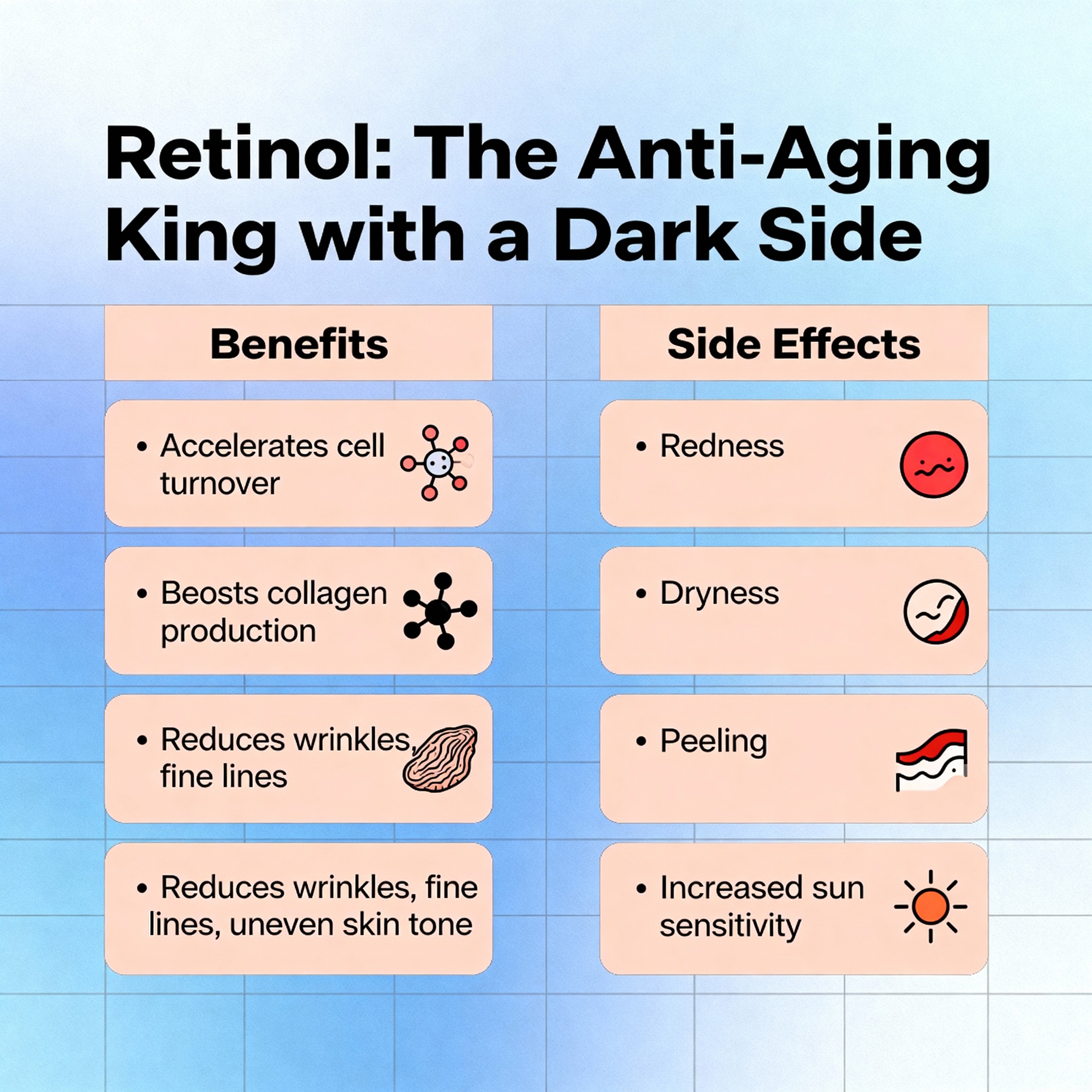
Chemical burns occur when potent active ingredients damage the skin's protective barrier, leading to inflammation, irritation, and in severe cases, actual tissue damage. The most common culprits include alpha hydroxy acids (AHAs) like glycolic and lactic acid, beta hydroxy acids (BHAs) such as salicylic acid, retinoids including retinol and prescription tretinoin, vitamin C in high concentrations, and chemical peels containing trichloroacetic acid (TCA) or phenol.
These ingredients are effective precisely because they work at a cellular level, but when used incorrectly—whether through overuse, layering incompatible products, leaving treatments on too long, or applying them to compromised skin—they can cause real harm.
Recognizing the Signs of a Chemical Burn

Understanding whether you're experiencing a chemical burn or normal product adjustment is crucial. A chemical burn typically presents with intense stinging or burning that doesn't subside within a few minutes, visible redness that may appear blotchy or uniform across the affected area, swelling or puffiness, skin that feels hot to the touch, peeling or flaking that appears within hours rather than days, blistering in more severe cases, and a tight or "raw" sensation.
If you notice white or gray discoloration, deep blistering, or extreme pain, you may have a severe burn that requires immediate medical attention.
Immediate Steps: What to Do Right Now

The first few minutes after recognizing a chemical burn are critical. Here's your action plan.
Stop and remove the product immediately. The moment you suspect a burn, gently rinse the affected area with cool (not cold) water for at least fifteen to twenty minutes. Avoid using any cleansers during this initial rinse, as even gentle formulas can exacerbate the damage. Pat your skin dry with a clean, soft cloth rather than rubbing.
Apply a soothing, gentle moisturizer. Once your skin is clean and dry, apply a fragrance-free, gentle hydrating product. Look for ingredients like hyaluronic acid for hydration without irritation, centella asiatica (cica) known for its healing properties, and natural botanical extracts that calm inflammation. The Radiant Bloom Organic Oil-Free Hydrating Gel is ideal for this stage—its lightweight, non-comedogenic formula provides immediate relief without overwhelming sensitive, damaged skin.
Protect the area. Keep the burned skin covered and protected from sun exposure. Ultraviolet rays can worsen damage and increase the risk of hyperpigmentation, particularly on compromised skin.
The Recovery Process: Days One Through Seven

Days one and two focus on calming and protecting. During this phase, wash only with lukewarm water or an extremely gentle, fragrance-free cleanser. The Radiant Bloom Organic Clarifying Gel works beautifully here—despite its name, this cleanser is designed to be gentle enough for sensitive and compromised skin while effectively removing impurities without stripping your skin's natural moisture barrier.
Apply your hydrating product two to three times daily, and avoid all active ingredients including vitamin C, retinoids, and any form of exfoliation. Stay out of direct sunlight as much as possible.
Days three through five mark the beginning of healing. You may notice peeling or flaking as damaged skin cells shed. Resist the urge to pick or peel this skin manually, as doing so can lead to scarring. Continue your minimal routine of gentle cleansing and hydration.
During this phase, you can begin layering hydration. After cleansing, apply the Radiant Bloom Organic Hydrating Serum—this silk-like serum delivers deep hydration to help replenish moisture levels in damaged skin. Follow with the Oil-Free Hydrating Gel to seal in the benefits.
If you need to go outside, sun protection is non-negotiable. The Radiant Bloom Organic Sun Protection SPF50 Stick offers convenient, on-the-go UV defence without requiring you to rub product into sensitive skin—simply glide it on for instant protection.
Days six and seven bring continued recovery. By now, the acute phase should be resolving. You can introduce a nourishing facial oil to support your skin's natural repair processes. The Radiant Bloom Organic All-In-One Facial Oil is a luxurious multi-purpose oil that helps restore the skin barrier while providing essential fatty acids and antioxidants your skin needs to heal.
For the delicate eye area, which is often affected by chemical burns from retinol or strong serums, the Radiant Bloom Organic Calming Eye Cream offers targeted relief with its light-textured, naturally soothing formula.
When to Seek Medical Attention

While most minor chemical burns heal at home with proper care, certain situations warrant professional medical evaluation. Seek help if blistering covers a large area or blisters are deep and fluid-filled, if you experience signs of infection such as increasing redness, warmth, pus, or fever, if the burn affects sensitive areas like your eyes, lips, or mucous membranes, if pain is severe and unmanaged by over-the-counter remedies, or if you see no improvement after seven to ten days of home treatment.
A dermatologist can prescribe stronger treatments if needed, including topical steroids to reduce inflammation or antibiotics if infection is present.
Long-Term Care and Preventing Hyperpigmentation
One of the most common concerns after a chemical burn is post-inflammatory hyperpigmentation (PIH), the dark spots that can linger long after the burn itself has healed. To minimize this risk, commit to rigorous sun protection for at least three months following the burn, as UV exposure is the primary trigger for PIH.
Once your skin has fully healed, typically after two to three weeks, you can gradually introduce antioxidant protection. The Radiant Bloom Organic Ginkgo Biloba Antioxidant Gel Booster is an excellent choice—ginkgo biloba is renowned for its protective and reparative properties, helping shield recovering skin from environmental stressors while supporting the healing process.
Be patient, as full resolution can take several months, but consistent gentle care yields the best results.
Returning to Active Ingredients Safely

After your skin has completely healed and your barrier is restored—usually three to four weeks minimum—you may want to reintroduce active ingredients. The key is starting slowly and choosing gentler alternatives.
Instead of jumping back to harsh retinol, consider the Radiant Bloom Organic Bakuchiol Serum. Bakuchiol is a natural, plant-based alternative that delivers similar benefits to retinol—improved texture, reduced fine lines, and enhanced radiance—without the irritation. It's even gentle enough to be pregnancy-safe, making it perfect for sensitive or recovering skin.
Preventing Future Chemical Burns
Once you've recovered, you'll want to ensure this doesn't happen again. Always patch test new products by applying a small amount behind your ear or on your inner arm and waiting twenty-four to forty-eight hours before applying to your face. Introduce active ingredients slowly, starting with once or twice weekly application before building to daily use. Never layer multiple strong actives in the same routine; for example, don't use retinol and glycolic acid on the same night. Follow product instructions regarding application time and frequency, as more is not better when it comes to potent ingredients. Pay attention to your skin's signals, since slight tingling can be normal but burning, stinging, or visible irritation means you should stop immediately.
Building a foundation of healthy, resilient skin with proper hydration and barrier support makes your skin better able to tolerate active ingredients when you're ready to reintroduce them. This is where choosing organic, gentle formulations—like those from Radiant Bloom Organic—can make a significant difference. Products free from harsh synthetic chemicals, fragrances, and irritants give your skin the best chance to stay healthy and balanced.
Ingredients to Embrace During Recovery
During the healing process, your product choices matter enormously. Seek out formulas containing hyaluronic acid for deep hydration, squalane and natural plant oils for barrier repair, aloe vera and centella asiatica for soothing and healing, ginkgo biloba and other antioxidants for protection, and gentle botanical extracts that calm inflammation.
All Radiant Bloom Organic products are vegan, cruelty-free, and formulated with organic ingredients—exactly what compromised skin needs during the recovery process.
Ingredients to Avoid Until Fully Healed
Equally important is knowing what to keep away from damaged skin. Avoid all alpha and beta hydroxy acids, retinoids of any strength, vitamin C especially at high percentages, benzoyl peroxide, physical exfoliants like scrubs or brushes, alcohol-based products, and synthetic fragrances or harsh preservatives.
Your Recovery Routine Summary
Morning:
- Cleanse with Clarifying Gel
- Apply Hydrating Serum
- Moisturize with Oil-Free Hydrating Gel
- Protect with SPF50 Stick
Evening:
- Cleanse with Clarifying Gel
- Apply Hydrating Serum
- Use All-In-One Facial Oil for overnight repair
- Apply Calming Eye Cream to the eye area
Final Thoughts

A chemical burn from skincare can be alarming, but with prompt action and proper care, most burns heal completely within one to two weeks. The key is responding quickly, keeping your routine minimal, and giving your skin the gentle, organic support it needs to repair itself.
Remember that this experience, while unpleasant, can teach you valuable lessons about your skin's tolerance levels and the importance of careful product introduction. Once healed, you can return to your regular routine with greater awareness and a more measured approach.
If you have any concerns about your skin's healing process, don't hesitate to consult a dermatologist. Your skin is worth protecting.
Calm & repair
Soothe a stressed skin barrier with our Sensitive Skin Moisturiser
Fragrance-free, calms irritation and helps restore the barrier — made for reactive, compromised skin. 15% off your first order.
Shop the Sensitive Moisturiser →