Cart
0
Yes, glycolic acid is considered safe during pregnancy when used in the low concentrations found in over-the-counter skincare, typically 10 percent or less. Obstetric guidance, including from the American College of Obstetricians and Gynecologists, lists glycolic acid among the pregnancy-safe options because very little of it is absorbed beyond the surface of the skin. Here is what that means for your routine, and where the real limits are.
In this article
- What do doctors actually say about glycolic acid in pregnancy?
- Why is glycolic acid safe when retinol is not?
- How can glycolic acid help pregnancy skin?
- How do you use glycolic acid safely while pregnant?
- Which exfoliants should you avoid instead?
- FAQ
What do doctors actually say about glycolic acid in pregnancy?
Among skincare acids, glycolic acid sits firmly in the "green light" column. ACOG names glycolic acid (along with azelaic acid, benzoyl peroxide and topical salicylic acid in wash-off form) as a reasonable option for treating skin concerns during pregnancy. Dermatologists echo the same advice: low-percentage alpha hydroxy acids used on the skin are not a concern for the baby, because absorption into the bloodstream is minimal.
The caveats doctors add are practical, not alarming: keep the concentration modest (under roughly 10 percent), skip professional high-strength peels until after birth, and be diligent about sunscreen, since fresh, exfoliated skin burns faster. That is the entire rulebook.

Why is glycolic acid safe when retinol is not?
It comes down to how each ingredient behaves. Glycolic acid is a water-soluble alpha hydroxy acid that works at the very surface, loosening the bonds between dead skin cells so they shed. It does its job in the top layer and mostly stays there. Retinoids (retinol, tretinoin, retinaldehyde) are vitamin A derivatives that signal deep skin cells to behave differently, and vitamin A in high doses is a known developmental risk, which is why every form of retinoid is off the table for nine months.
| Ingredient | Pregnancy status | Why |
|---|---|---|
| Glycolic acid (under 10%) | Safe | Surface-level action, minimal absorption |
| Lactic acid | Safe | Gentle AHA, same surface mechanism |
| Salicylic acid (wash-off, low %) | Generally fine | Avoid high-strength leave-on products and peels |
| Professional chemical peels (30%+) | Postpone | Higher absorption and irritation risk |
| Retinol / tretinoin / retinoids | Avoid entirely | Vitamin A derivatives carry developmental risk |
| Hydroquinone | Avoid | Unusually high skin absorption |
The full ingredient rundown lives in our guide to what skincare to avoid while pregnant.
How can glycolic acid help pregnancy skin?
Pregnancy hormones are unpredictable landlords. Some women get the famous glow; many get breakouts, rough texture, dullness and the first shadows of melasma, sometimes all at once. Gentle glycolic exfoliation two or three nights a week addresses each of these:
- Hormonal breakouts: clearing dead-cell buildup keeps pores from clogging, without the retinoids and strong acne actives you have had to shelve.
- Dullness and texture: steady cell turnover is exactly what the second-trimester glow is made of; glycolic simply keeps it coming.
- Early pigmentation: by lifting away pigmented surface cells, AHAs help soften the look of emerging dark patches while your SPF prevents new ones. Our post on how to use a glycolic exfoliator covers technique in detail.
The gentle nightly swipe
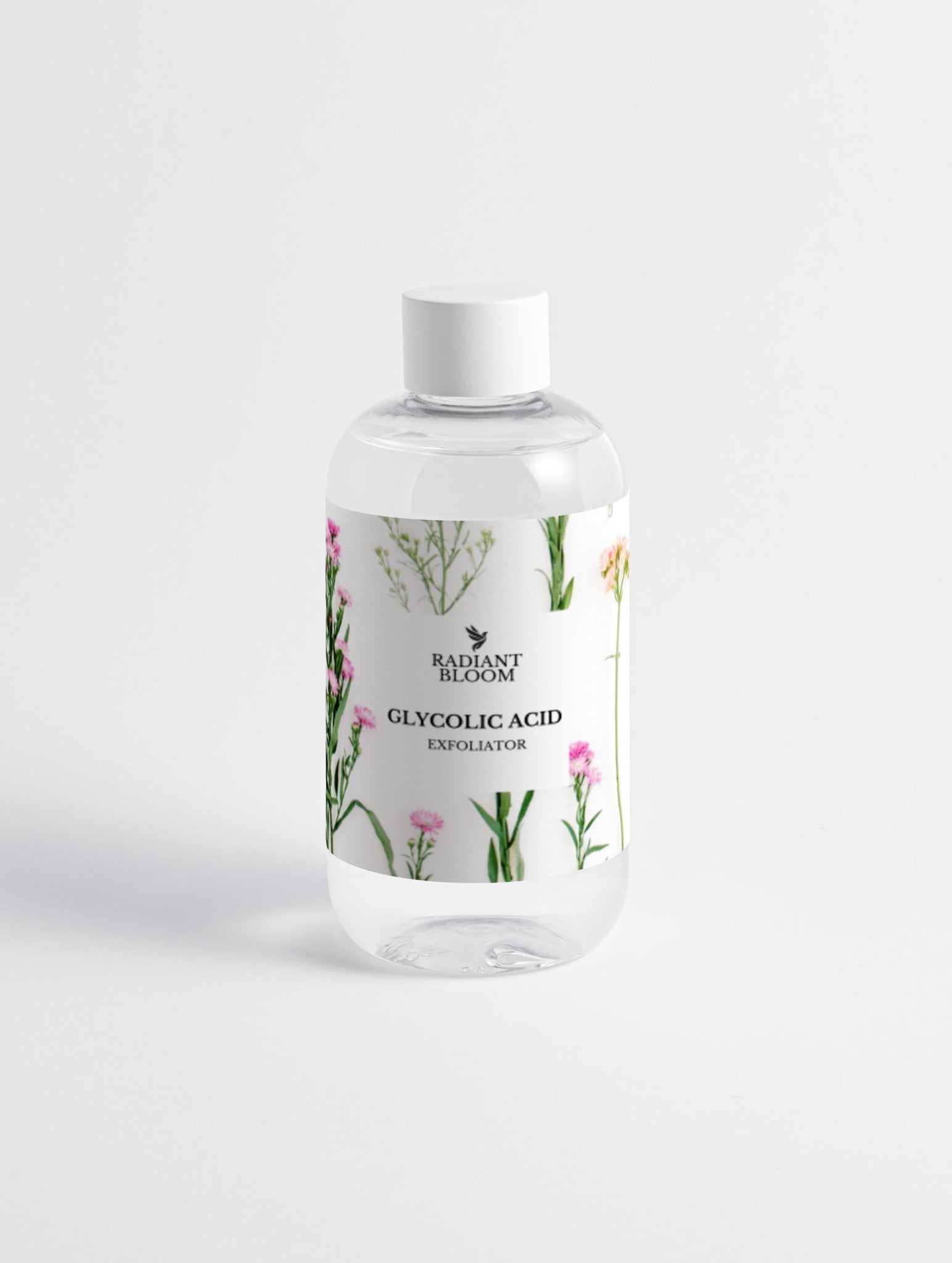
Glycolic Acid Liquid Exfoliator, 250ml
Sugarcane-derived AHA at a skin-friendly strength: smooths texture and keeps hormonal congestion in check, no retinoids required.
€19.99
Shop exfoliator →
How do you use glycolic acid safely while pregnant?
The pregnancy-safe routine is simply the sensible routine, followed a little more carefully:
- Start with 2 nights a week. Sweep the liquid exfoliator over clean, dry skin with a cotton pad, avoiding the eye area. Build to 3 nights if your skin stays calm.
- Cleanse gently first. A creamy, non-stripping cleanse keeps your barrier happy so the acid does not sting. Pregnancy skin is often drier than you are used to.
- Do not stack actives. On glycolic nights, skip vitamin C, other acids and anything "tingly". Moisturiser on top, done.
- SPF every morning, no exceptions. AHAs make skin more sun-sensitive for up to a week, and unprotected sun is also the fastest route to melasma. Mineral sunscreen is the pregnancy-preferred choice.
- If it stings persistently, pause. Sensitivity can spike mid-pregnancy. Stop for a week, then return at a lower frequency.

Step one, every night
Sensitive Skin Oil-To-Milk Cleanser
Melts away the day without stripping, the ideal gentle base for exfoliation nights on reactive pregnancy skin.
€24.99
Shop cleanser →
Which exfoliants should you avoid instead?
Save your caution for these, not for your low-strength glycolic:
- Professional peels above 30 percent (glycolic, TCA, or salicylic): postpone until after delivery and, if you are nursing, discuss timing with your doctor.
- High-strength leave-on salicylic acid: a low-percentage cleanser is fine; strong leave-on BHA treatments are the ones to shelve.
- Retinoid "exfoliating" serums: any product listing retinol, retinal or tretinoin, regardless of how it is marketed. If you have already used one before finding out, do not panic, and read our guide on accidentally using retinol while pregnant.
- Harsh physical scrubs: not a baby-safety issue, just rough on a compromised barrier when hormones are already stirring things up.
Frequently asked questions
What percentage of glycolic acid is safe during pregnancy?
Stick to over-the-counter strengths of 10 percent or less. These surface-level concentrations are the ones obstetric guidance considers safe; professional peels of 30 percent and above should wait until after birth.
Can glycolic acid help pregnancy acne?
Yes, it is one of the best pregnancy-safe options for hormonal breakouts. By keeping dead cells from clogging pores, it tackles congestion without retinoids or strong prescription actives.
Does glycolic acid help with melasma while pregnant?
It helps soften the appearance of surface pigmentation by speeding cell turnover. Pair it with daily tinted mineral SPF, because sun exposure is what actually drives melasma.
Can I use glycolic acid while breastfeeding?
Yes. Topical AHAs are considered compatible with breastfeeding thanks to their minimal absorption. Simply avoid applying near areas where your baby has direct skin contact.
Can I use glycolic acid and vitamin C together while pregnant?
Both are pregnancy-safe individually, but use them at different times, vitamin C in the morning and glycolic at night, to avoid irritating increasingly sensitive skin.
Keep the glow, skip the worry
Organic, vegan exfoliation that plays by pregnancy's rules.
Shop Glycolic Exfoliator →Vegan. Cruelty-free. Sugarcane-derived AHA.
This article is for general information and is not medical advice. Always confirm your routine with your doctor or midwife. For authoritative guidance, see the American College of Obstetricians and Gynecologists.