Cart
0
Yes, hyaluronic acid is completely safe during pregnancy, and while breastfeeding too. It is one of the few skincare ingredients dermatologists recommend without hesitation for moms-to-be: your body already produces it naturally, it works on the surface of the skin, and it is not absorbed into the bloodstream in any meaningful way. If pregnancy has left your skin thirsty, tight, or dull, this is the ingredient you can keep with full peace of mind.
In this article
- Why is hyaluronic acid considered pregnancy-safe?
- Why does pregnancy skin need extra hydration?
- How do you use hyaluronic acid correctly while pregnant?
- What can you pair it with (and what should you swap out)?
- FAQ
Why is hyaluronic acid considered pregnancy-safe?
Despite the intimidating word "acid", hyaluronic acid is not an exfoliant at all. It is a humectant, a large water-binding molecule that your skin, joints and eyes produce naturally every day. Applied topically, it sits in the upper layers of skin and pulls in moisture, holding up to 1,000 times its weight in water.
Two things make it a green-light ingredient for the next nine months. First, the molecule is too large to penetrate deeply, so systemic absorption is essentially nil. Second, it is not a bioactive drug-like ingredient the way retinoids are; it simply hydrates. That is why dermatologists routinely name hyaluronic acid, alongside niacinamide and vitamin C, as a core pregnancy-safe hydrator, and why it appears on the safe list in obstetric guidance rather than the caution list.

Why does pregnancy skin need extra hydration?
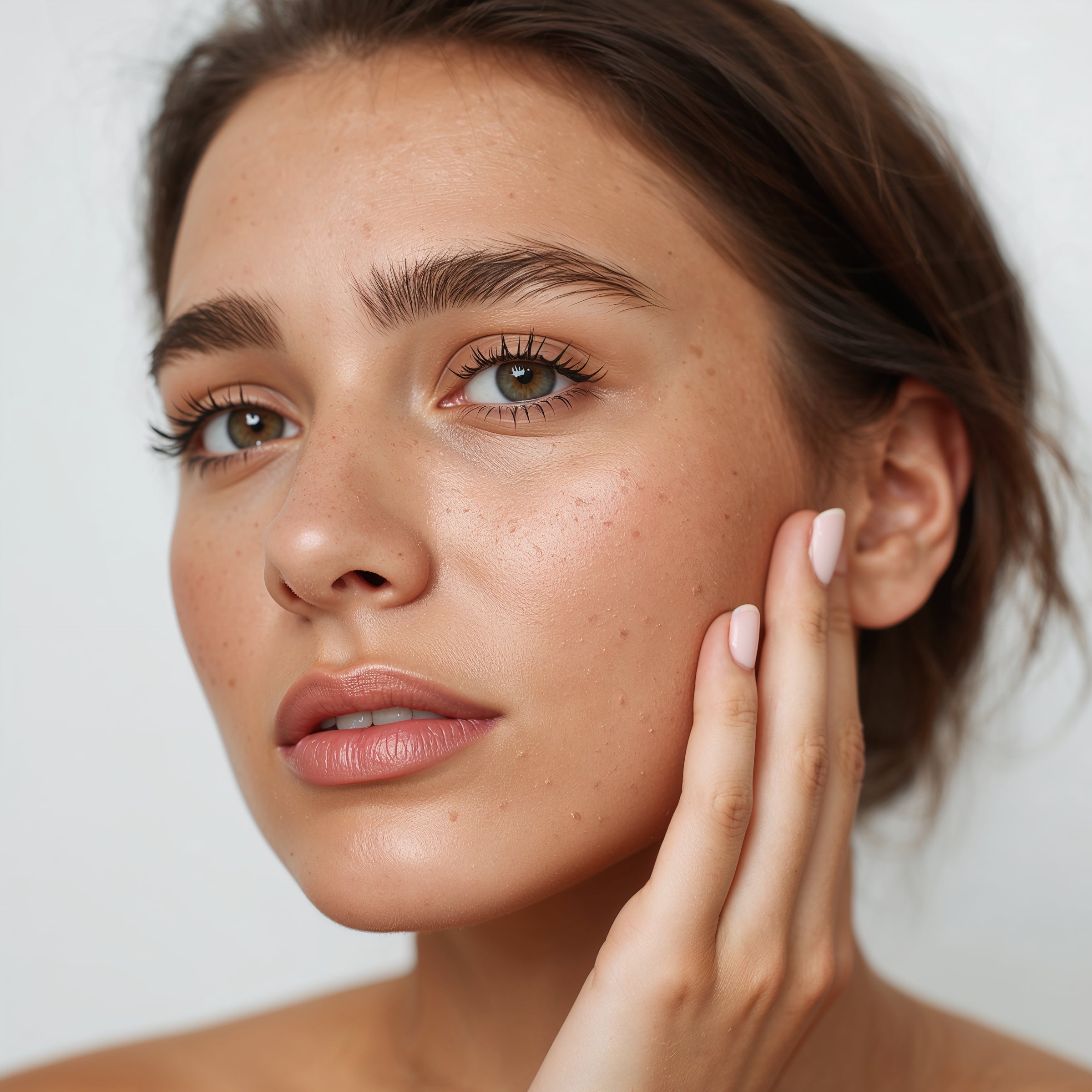
Pregnancy quietly redirects your body's water supply. Blood volume increases by around 50 percent, your baby draws on your hydration constantly, and shifting hormones can weaken the skin barrier that normally locks moisture in. The result many women notice by the second trimester: tightness, flaking, dullness, itchiness over the bump, and fine lines that suddenly look deeper simply because the skin underneath is dehydrated.
At the same time, your usual heavy-hitters for glow, like retinol, are off the menu. Hydration becomes the workhorse of the whole routine, and hyaluronic acid is the most efficient way to deliver it without adding anything questionable.
The daily hydration step
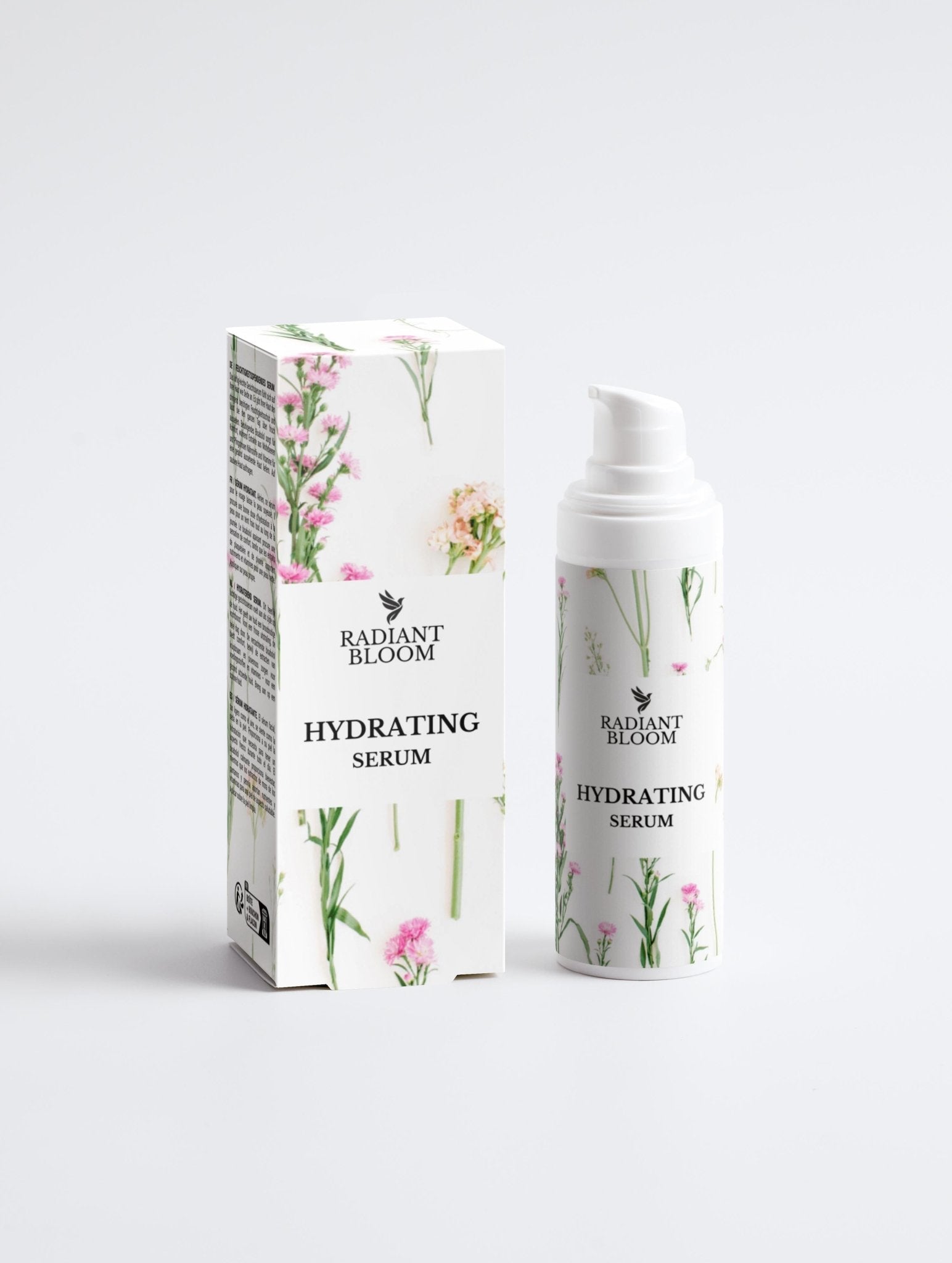
Hydrating Serum
A lightweight organic serum built to drench thirsty pregnancy skin, layered under moisturiser morning and night.
€24.99
Shop serum →
How do you use hyaluronic acid correctly while pregnant?
Hyaluronic acid has one golden rule: it needs water to work with. Used wrong, a humectant can pull moisture out of your skin in dry air. Used right, it plumps visibly within minutes.
- Apply to damp skin. Straight after cleansing, while your face is still dewy, press the serum in. Damp skin gives the molecule water to grab.
- Seal it in. Always follow with a moisturiser or facial oil within a minute or two, otherwise the hydration evaporates back out.
- Use it twice daily. Unlike acids and actives, there is no such thing as building tolerance. Morning and night, every day, all trimesters.
- Do not forget the bump. Hydrated, elastic skin copes better with rapid stretching. A hydrating layer under a rich body cream or oil is a sensible stretch-mark strategy.

If pregnancy made you oily
Oil-Free Hydrating Gel
Featherweight gel hydration that seals your serum in without clogging hormone-sensitive pores.
€24.99
Shop gel →
What can you pair it with (and what should you swap out)?
One of hyaluronic acid's best qualities is that it plays nicely with everything. Here is how it fits into a pregnancy routine:
| Pairing | Pregnancy status | Why it works |
|---|---|---|
| HA + vitamin C (morning) | Safe | Brightening plus hydration, under SPF |
| HA + niacinamide | Safe | Barrier support and oil balance together |
| HA + glycolic acid (night) | Safe | Rehydrates after gentle exfoliation |
| HA + retinol or retinoids | Swap the retinoid out | Retinoids are the one class to avoid entirely while pregnant |
For the ingredients on the other side of the line, see our guide to what skincare to avoid while pregnant. And if you want the full safe-ingredient series, we have deep dives on niacinamide in pregnancy and glycolic acid in pregnancy.

Hydration from the first step
Organic Micellar Water with Hyaluronic Acid
Removes makeup and leaves skin damp and HA-primed, exactly the base your serum wants.
€19.99
Shop micellar water →
Frequently asked questions
Can I use hyaluronic acid in the first trimester?
Yes. It is safe through all three trimesters. Because it works on the skin's surface and is a substance your body makes naturally, there is no trimester where it needs to be paused.
Is hyaluronic acid safe while breastfeeding?
Yes. Topical hyaluronic acid is fully compatible with breastfeeding. As with any product, avoid applying it directly where your baby feeds.
Does hyaluronic acid help with pregnancy dryness and itching?
It is one of the best remedies. By binding water into the skin, it relieves the tight, itchy feeling that comes with a stretched, dehydrated barrier, on your face and your bump alike.
Can hyaluronic acid prevent stretch marks?
No ingredient can guarantee that, since genetics play the biggest role. But well-hydrated skin is more elastic, and daily hydration plus massage is the most evidence-supported thing you can do.
Is it really an acid? Will it sting or exfoliate?
No. Despite the name, hyaluronic acid does not exfoliate and should not sting. If a product tingles, another ingredient in the formula is responsible.
Hydration you never have to question
Organic, vegan hydration heroes for all nine months and beyond.
Shop Hydrating Serum →Vegan. Cruelty-free. Pregnancy-friendly.
This article is for general information and is not medical advice. Always confirm your routine with your doctor or midwife. For authoritative guidance on skin changes in pregnancy, see the American College of Obstetricians and Gynecologists.