Cart
0
Postpartum hair loss is normal, temporary, and not your fault. During pregnancy, high estrogen keeps hair in its growth phase longer than usual, which is why pregnancy hair looks so full. After birth, hormones reset, and all those overdue hairs enter the shedding phase together, typically starting around month 3 and peaking near month 4. Nothing stops that shed, and anyone promising otherwise is selling you something. What you can do is protect the hair you have, support the regrowth that is already starting, and know when the timeline stops being normal. Here is the honest guide.
In this article
- Why does hair fall out after pregnancy?
- What is the normal postpartum shedding timeline?
- What actually helps (and what is marketing)?
- When should you see a doctor?
- FAQ
Why does hair fall out after pregnancy?
Hair grows in cycles: a long growth phase, a short transition, then a resting-and-shedding phase. Pregnancy estrogen holds an unusually large share of your follicles in the growth phase, so you shed far less than normal for nine months. After delivery, estrogen drops sharply and those follicles move into the resting phase together. Around three months later, the delayed shed arrives all at once, a pattern called telogen effluvium.
The crucial reframe: you are not losing extra hair, you are catching up on nine months of shedding you skipped, plus the follicles are already cycling back toward regrowth underneath. Those wispy "baby hairs" at the hairline a few months in are the proof.
What is the normal postpartum shedding timeline?
| Months after birth | What is typical |
|---|---|
| 0 to 2 | Hair still feels full; the reset is happening invisibly |
| 3 to 4 | Shedding starts and peaks; handfuls in the shower are normal, alarming, and temporary |
| 5 to 8 | Shedding slows; regrowth visible as short new hairs at the hairline |
| 9 to 12 | Density largely recovers; new growth blends in |
| Beyond 12 | Ongoing heavy shedding is no longer typical; see a doctor |

What actually helps (and what is marketing)?
Honesty first: no shampoo, oil or supplement prevents telogen effluvium; the shed is hormonal and finishes on its own. What genuinely helps falls into three buckets:
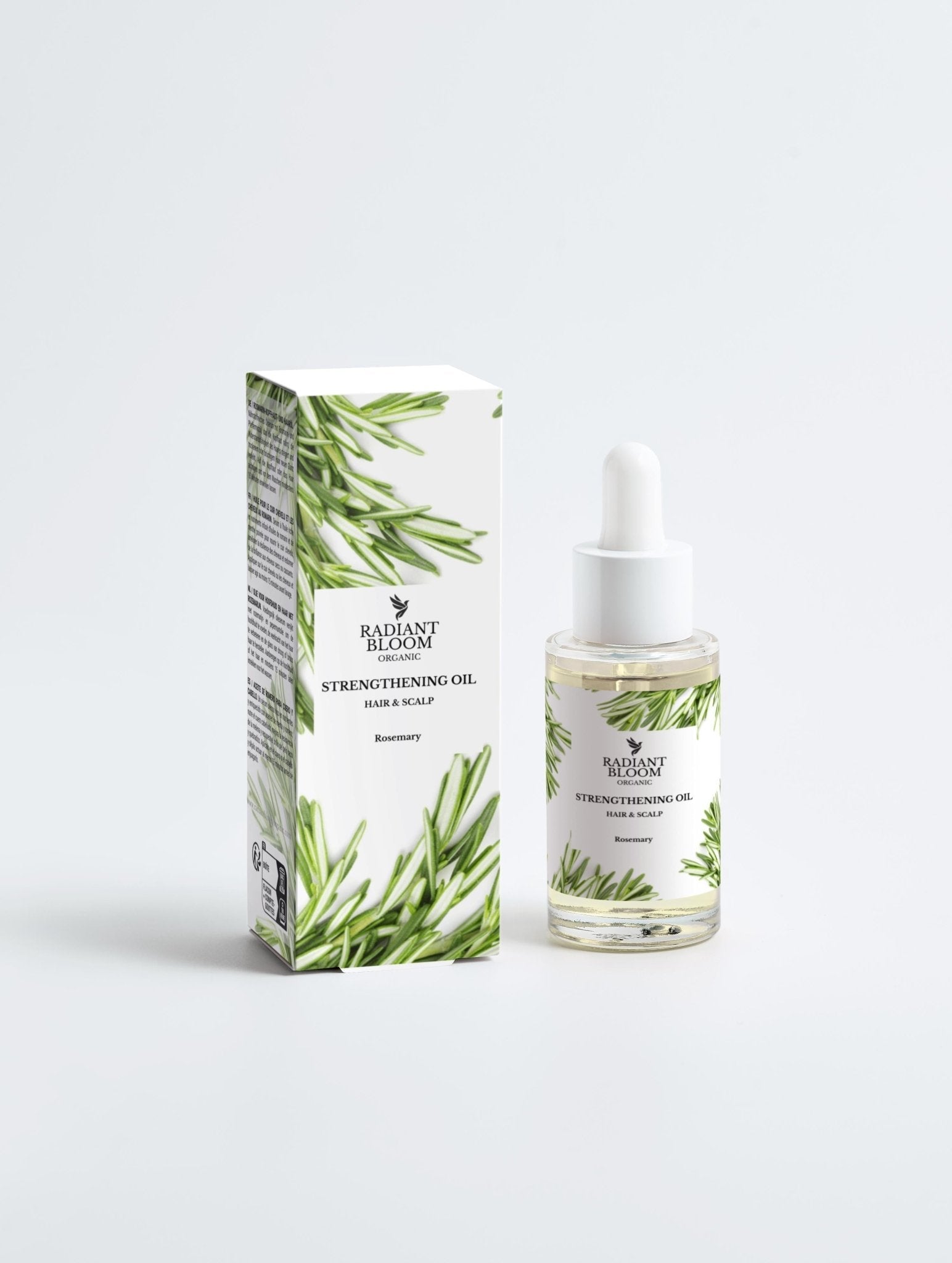
- Support the regrowth. Scalp massage improves circulation to follicles that are re-entering their growth phase, and rosemary oil has clinical evidence for supporting hair growth over months of consistent use, which is exactly the window postpartum regrowth occupies. Two or three gentle evening massages a week with a pre-diluted rosemary scalp oil is the highest-value ritual, and it doubles as five minutes of quiet. Dilution and technique are covered in our rosemary oil how-to guide and the evidence in does rosemary oil really help hair grow. If you are nursing, topical scalp use is generally fine; keep it off areas your baby touches, the same placement rule from our breastfeeding-safe skincare guide.
- Minimise breakage on the hair you keep. Gentle sulphate-free washing, a weekly clarifying scalp scrub so follicles stay unclogged, loose styles instead of tight ponytails (traction is the one loss you can fully prevent), and no aggressive brushing on wet hair. The full gentle system is in our organic hair care routine.
- Feed the machine. Regrowth is protein and mineral hungry. Keep up protein, iron and vitamin D, and continue your postnatal vitamins if your doctor recommends them, especially while breastfeeding.
What is mostly marketing: "hair loss shampoos" that promise to stop postpartum shedding, biotin megadoses for people who are not deficient, and anything with a 30-day guarantee against a 6-month biological process.
The regrowth ritual
Organic Rosemary Hair & Scalp Oil
Pre-diluted, nursing-friendly scalp massage oil, five quiet minutes that work for months.
€27.99
Shop rosemary oil →

Weekly follicle reset
Scalp Detox Scrub with Rosemary & Peppermint
Clears buildup so new baby hairs grow into a clean runway.
€29.99
Shop scalp scrub →

For the reason you are tired
Organic Baby Shampoo for Sensitive Skin
The same organic standard for the newest head in the house.
€24.99
Shop baby shampoo →
When should you see a doctor?
Book an appointment if heavy shedding continues past 12 months, if loss is patchy rather than diffuse, if it comes with fatigue, feeling cold, or other symptoms (postpartum thyroid changes and low iron are common and very treatable), or if the scalp itself is red, scaly or painful. Postpartum bodies deserve real diagnostics, not just another shampoo.
Frequently asked questions
How long does postpartum hair loss last?
Shedding usually starts around month 3, peaks near month 4, and settles by months 6 to 9, with density largely back by the first birthday. Beyond 12 months of heavy shedding, see a doctor.
Can I stop postpartum hair loss?
No, and no honest product claims otherwise; the shed is a hormonal reset completing itself. You can prevent breakage-related loss, support regrowth with scalp care, and cover the awkward phase with a good cut.
Is rosemary oil safe while breastfeeding?
Topical, diluted use on the scalp is generally considered fine while nursing. Keep it away from your chest and anywhere your baby has direct contact, and check with your doctor if in doubt.
Why do I have baby hairs sticking up at my hairline?
Those are the regrowth, follicles that shed early are already producing new hair. Annoying to style, wonderful to see: they are the visible end of the process.
Does breastfeeding cause more hair loss?
No. The shed is triggered by the post-birth hormone drop, not by nursing. Timeline and intensity vary between mothers regardless of feeding choice.
Five quiet minutes, for you
Certified organic scalp care that supports the comeback, and doubles as the calmest part of your day.
Shop the Regrowth Ritual →Certified Organic. Vegan. Mom-tested.
This article is for general information and is not medical advice. Persistent, patchy or symptom-accompanied hair loss deserves a doctor's assessment. For an overview of postpartum hair changes, see the American Academy of Dermatology.