Cart
0
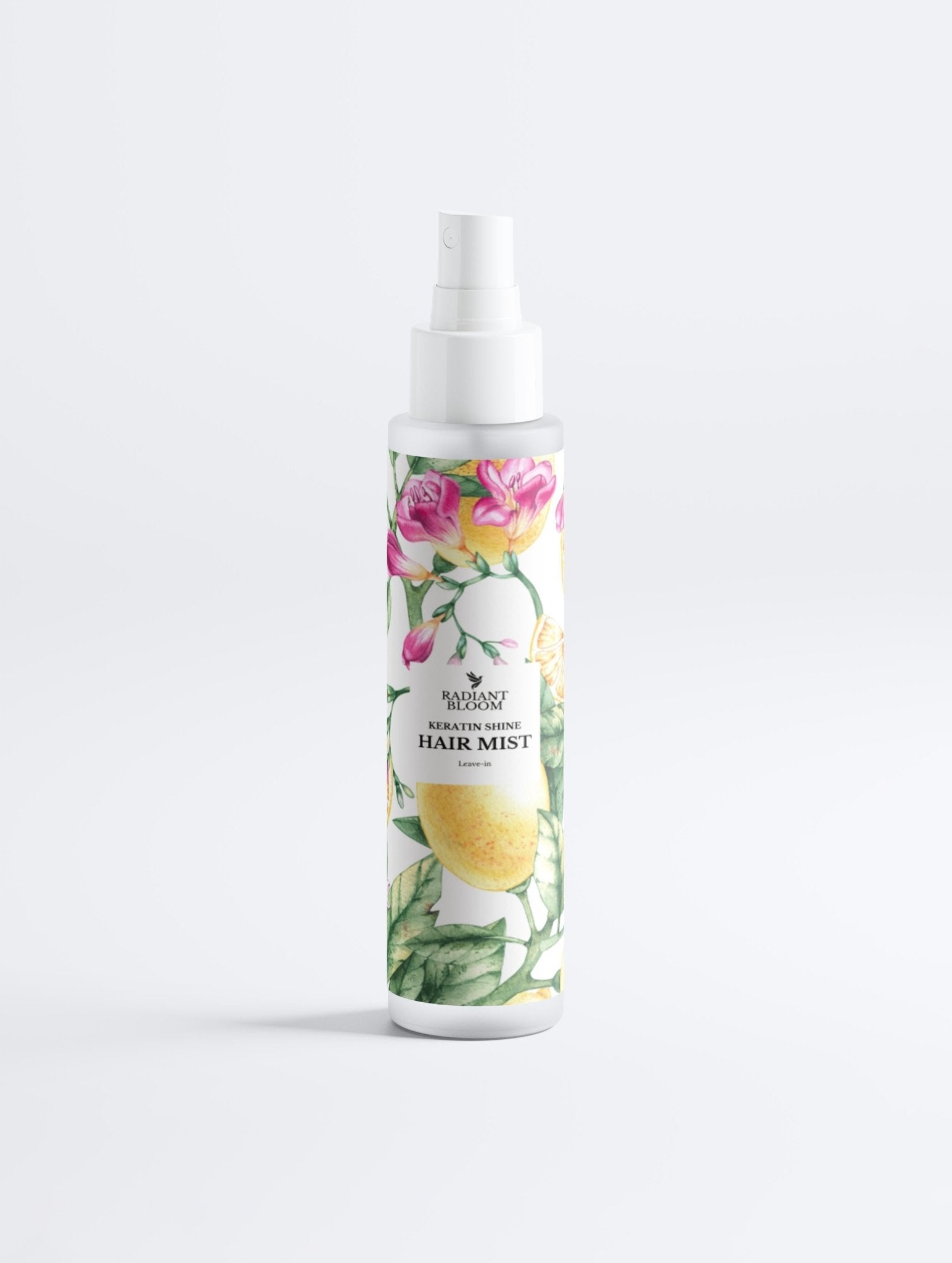
A vegan leave-in conditioner is a light conditioning product you apply after washing and do not rinse out, made without animal-derived ingredients. It is the step most people skip and then wonder why their ends stay frizzy: a rinse-out conditioner works for the two minutes it is on your hair, while a leave-in keeps working all day, protecting against heat, humidity and friction. The vegan check matters here because leave-ins lean heavily on the slip-giving ingredients vegans avoid, especially silk amino acids, keratin and honey. This guide explains what a leave-in actually does, which format suits your hair, how it differs from a hair oil, and the application mistakes that make hair greasy instead of glossy.
In this article
- What does a leave-in conditioner do?
- What makes a leave-in vegan?
- Which format suits your hair?
- Leave-in vs hair oil vs rinse-out
- How to apply it without greasy roots
- Frequently asked questions
What does a leave-in conditioner do?
A rinse-out conditioner smooths the cuticle while it is on your hair, then most of it washes away. A leave-in stays, which changes what it can do. It keeps detangling as you comb and dry, so you break fewer strands at the most fragile moment. It forms a light barrier against heat styling and against humidity, which is what actually causes frizz: hair swells as it absorbs moisture from the air. And it keeps the ends conditioned through the day, which matters because ends are the oldest, driest part of your hair and the first place damage shows. If your hair looks fine after washing but rough by evening, a leave-in is the missing step.
What makes a leave-in vegan?
Slip and shine are exactly what leave-ins are sold on, and those effects are traditionally achieved with animal ingredients. Scan for:
- Silk protein and silk amino acids: from silkworm cocoons, extremely common in leave-in sprays for that silky feel.
- Keratin: from hooves, horns and feathers unless the brand names a plant source.
- Honey and beeswax: used in smoothing creams and balm-textured leave-ins.
- Milk proteins: added for softness.
- Lanolin: wool wax in richer formulas.
Vegan leave-ins get the same slip from hydrolysed plant proteins, botanical oils and plant-derived conditioning agents. What vegan keratin really means is covered in our vegan hair care guide.
Which format suits your hair?
| Format | Best for | Good to know |
|---|---|---|
| Spray or mist | Fine, straight, thin hair | Lightest option, will not flatten roots |
| Milk or lotion | Normal to wavy hair | Middle ground, good all-rounder |
| Cream | Thick, coarse, curly hair | Richest, too heavy for fine hair |
The honest rule: the finer your hair, the lighter the format. A cream leave-in on fine hair looks greasy within hours, while a spray on very thick hair does almost nothing.

Vegan leave-in mist
Keratin Shine Leave-In Hair MistA lightweight vegan spray with plant keratin that detangles, tames frizz and adds gloss without weighing hair down.
€23.99Shop Now →
For very dry or damaged lengths, pair the mist with a weekly deep treatment. Our hair mask guide explains whether yours needs protein or moisture.

The weekly partner
Keratin Intensive Rescue MaskA plant-protein deep treatment for damaged lengths, used once a week alongside a daily leave-in.
€29.99Shop Now →
Leave-in vs hair oil vs rinse-out conditioner
These three get confused constantly, and using the wrong one is why hair ends up either greasy or still frizzy:
| Product | When | Main job |
|---|---|---|
| Rinse-out conditioner | In the shower, every wash | Softens and detangles, then rinsed |
| Leave-in conditioner | On damp hair after washing | Ongoing detangling, frizz and heat protection |
| Hair oil | Damp or dry, ends only | Seals moisture in, adds shine |
They stack in that order if you use all three: rinse-out in the shower, leave-in on damp hair, a drop of oil on the ends last. Our vegan hair oil guide covers which plant oil suits your hair, and the conditioner guide covers the rinse-out step.
How to apply it without greasy roots
- Apply to damp, towel-dried hair. Not soaking, not dry. Damp hair spreads the product evenly and locks in the water already there.
- Mid-lengths to ends only. Never the roots or scalp. This single rule is the difference between glossy and greasy.
- Less than you think. Two to four sprays for fine hair, more for thick. You can always add; you cannot take it back without rewashing.
- Comb it through. A wide-tooth comb distributes it and does the detangling while the product is still doing its job.
- Then style. Leave-in goes before heat, not after, so it can act as a buffer between the heat and your hair.
Frequently asked questions
Do I still need a rinse-out conditioner if I use a leave-in?
For most hair, yes. They do different jobs: the rinse-out conditions deeply during the wash, the leave-in protects and detangles afterwards. Very fine hair can sometimes use only a light leave-in.
Can I use a leave-in conditioner every day?
Yes, and that is the point of it. Apply after every wash, and refresh on non-wash days with a light mist on dry ends if they feel rough.
Will a leave-in make fine hair greasy?
Only if you use a heavy format or apply it near the roots. A spray or mist on the mid-lengths and ends adds shine without weight.
Is silk protein in leave-in conditioners vegan?
No. Silk protein and silk amino acids come from silkworm cocoons. Vegan leave-ins use hydrolysed plant proteins from wheat, soy or corn for the same silky slip.
Can I use a leave-in conditioner on dry hair?
You can, for a midday refresh on frizzy ends, but it works best on damp hair where it seals in existing moisture. On very dry hair use a small amount to avoid a coated feel.
The step that keeps working all day
Vegan leave-in mists, masks and conditioners, made in small batches in the Baltics.
Shop Vegan Hair Care →Free worldwide shipping on orders over €45. Vegan, cruelty-free and organic.