Cart
0
Vegan and cruelty-free are not the same thing. Vegan skincare contains no animal-derived ingredients. Cruelty-free skincare has not been tested on animals. A product can be vegan yet tested on animals in certain markets, and a cruelty-free cream can still contain beeswax, lanolin or animal collagen. If you want products that are genuinely vegan and cruelty free, you need to verify both claims separately. This guide explains exactly how: what each label really means, how they differ from organic and natural, which animal ingredients hide behind Latin names on the label, and which certifications you can actually trust when you shop.
In this article
- What does vegan mean in skincare?
- What does cruelty-free mean in skincare?
- Vegan vs cruelty-free vs organic vs natural
- Which animal ingredients hide in skincare?
- Which certifications can you trust?
- How to check any product in 30 seconds
- Frequently asked questions
What does vegan mean in skincare?
A vegan skincare product is formulated without any ingredients of animal origin. That covers the obvious ones like honey and milk proteins, but also less obvious derivatives such as beeswax, lanolin, carmine and animal collagen. Vegan refers only to what is inside the bottle. It says nothing about whether the finished product or its raw materials were tested on animals, and it says nothing about whether the ingredients are organic or synthetic. Because no law defines the word vegan on cosmetics, brands can print it freely, which is why the ingredient list and independent certification carry more weight than the front of the pack.
What does cruelty-free mean in skincare?
Cruelty-free means the product and, under the stricter certifications, its individual ingredients were not tested on animals at any stage. The nuance most shoppers miss is where a brand sells and manufactures. The EU banned animal testing of cosmetics years ago, but some ingredient-level testing can still occur elsewhere in the world under other regulations, and brands selling into certain foreign markets may be subject to different rules. That is why independent programmes such as Leaping Bunny audit the entire supply chain rather than taking a brand's word for it. In short: cruelty-free is a testing promise, not an ingredient promise.
What is the difference between vegan, cruelty-free, organic and natural?
These four labels answer four different questions. Here is how they compare:
| Label | What it covers | What it does not guarantee | How it is verified |
|---|---|---|---|
| Vegan | No animal-derived ingredients | No animal testing, organic sourcing | Vegan Society trademark, PETA vegan logo |
| Cruelty-free | No animal testing | Vegan ingredients | Leaping Bunny, PETA cruelty-free logo |
| Organic | Ingredients grown without synthetic pesticides, to a certified standard | Vegan ingredients (organic beeswax exists) | COSMOS, ECOCERT, Soil Association |
| Natural | Marketing term for plant or mineral origin | Anything. It is not regulated | No independent verification |
The takeaway: a product you can trust on all fronts carries more than one of these marks, or comes from a brand that publishes its certificates openly, as we do on our certificates page.
Which animal ingredients hide in skincare?
These are the INCI names to scan for, along with the plant-based swaps a vegan formula uses instead:
- Lanolin (sheep's wool wax): replaced by shea butter and plant oils.
- Cera alba / beeswax: replaced by candelilla or carnauba wax.
- Carmine / CI 75470 (crushed insects): replaced by plant and mineral pigments.
- Collagen and elastin (fish or cattle): replaced by peptides and plant proteins.
- Keratin (hooves, horns, feathers): replaced by hydrolysed wheat or soy protein.
- Squalene (shark liver): replaced by squalane from olives or sugarcane.
- Tallow and its derivatives (animal fat): replaced by vegetable glycerin and plant butters.
- Snail mucin, honey (mel), milk proteins, silk, guanine: replaced by aloe, plant humectants and mineral mica.
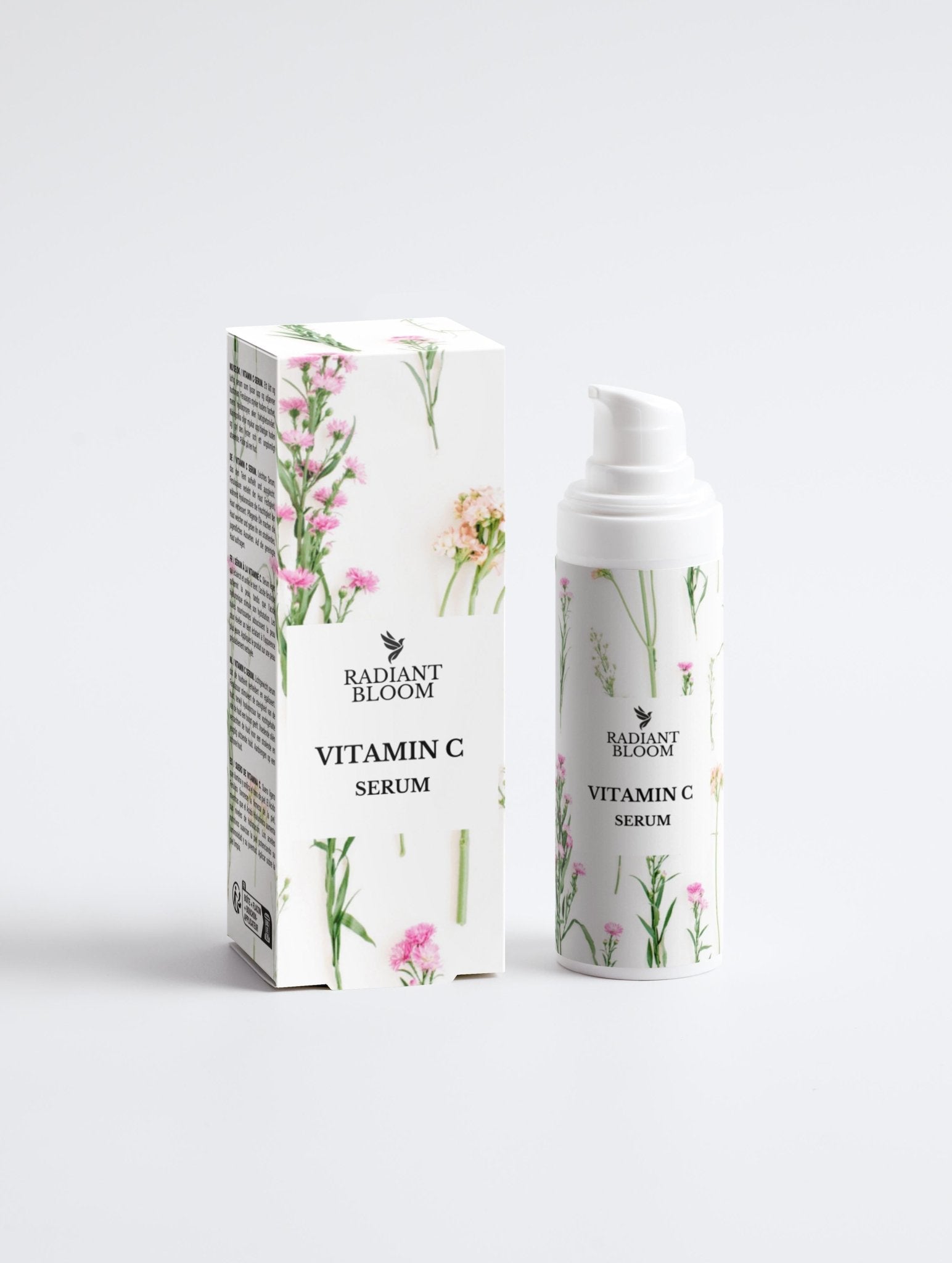
Watch out for ambiguous ingredients too. Glycerin and stearic acid can be made from either plants or animal fat, and only the brand can tell you which. A serum built entirely on plant and lab-made actives avoids the ambiguity altogether:

Vegan and cruelty-free
Vitamin C SerumAn energising brightening serum with a juicy mandarin aroma, made without a single animal-derived ingredient.
€24.99Shop Now →
Which certifications can you trust?
Four marks do the heavy lifting in this category:
- The Vegan Society sunflower: the oldest vegan trademark, verifying no animal ingredients and no animal testing by the brand. Details at vegansociety.com.
- Leaping Bunny: the strictest cruelty-free standard, auditing suppliers down the chain.
- PETA Beauty Without Bunnies: lists both cruelty-free and vegan brands.
- COSMOS / ECOCERT: the leading organic and natural cosmetics standard. It covers farming and processing rather than animal ingredients, which is why the strongest combination is COSMOS organic plus a vegan claim you can verify.
How do you check any product in 30 seconds?
- Flip the pack and scan the INCI list for the red-flag names above: lanolin, cera alba, carmine, collagen, keratin, squalene, tallow.
- Look for a certification logo, not just the words vegan or not tested on animals.
- Check the brand's website for a certificates or FAQ page. Transparent brands publish proof.
- Still unsure? Email the brand and ask two direct questions: are all ingredients plant or mineral derived, and is the brand or its suppliers testing on animals anywhere in the world.
If you would rather skip the detective work, our guide on where to buy vegan skincare with natural ingredients lists trustworthy places to shop.

Organic and vegan
Sensitive Skin MoisturiserA gentle organic moisturiser that proves kind-to-skin and kind-to-animals can be the same product.
€24.99Shop Now →
Frequently asked questions
Is cruelty-free automatically vegan?
No. Cruelty-free only means no animal testing. A cruelty-free lip balm can still be full of beeswax and lanolin. Always check both claims.
Is vegan skincare always organic?
No. Vegan describes the origin of ingredients, not how they were farmed. A vegan product can be fully synthetic, and an organic product can contain beeswax or honey. Look for both marks if both matter to you.
Are all cosmetics sold in the EU cruelty-free by law?
The EU bans animal testing of cosmetics and their ingredients within its borders, and that ban is a strong baseline. However, ingredient testing under other regulations and testing for non-EU markets can still occur in a brand's wider supply chain, which is why independent certification remains meaningful.
Is glycerin vegan?
It depends. Glycerin can be produced from plant oils or from animal fat, and the label rarely says which. Vegan-certified products use vegetable glycerin.
Does vegan skincare suit sensitive skin better?
Often, but not automatically. Vegan formulas skip common animal-derived sensitisers like lanolin, yet fragrance and essential oils can still irritate. If your skin is reactive, read our sensitive skin guide.
Skincare that keeps both promises
Every Radiant Bloom Organic product is vegan and cruelty-free, with certificates you can check for yourself.
Shop All Products →Free worldwide shipping on orders over €45. Vegan, cruelty-free and organic.