Wir haben Ihnen eine E-Mail mit einem Link zum Aktualisieren des Passworts geschickt.
Passwort zurücksetzen
Wir werden Ihnen eine E-Mail zum Zurücksetzen des Passworts schicken.
Are Organic Haircare Products Really Better for Your Hair? Honest 2026 Answer
My Store Admin
0 Kommentare
-->
Haircare Education8 min read
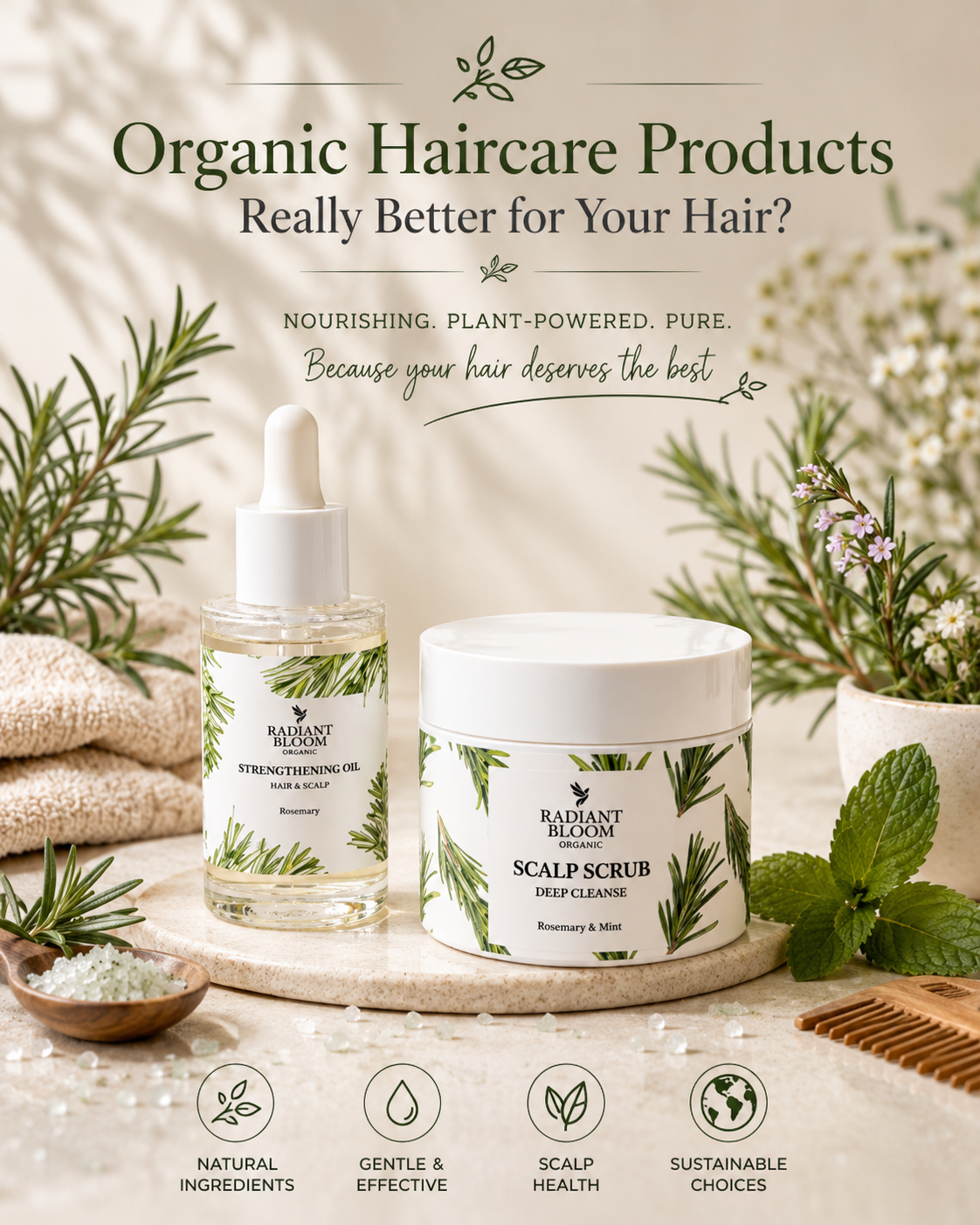
Are Organic Haircare Products Really Better for Your Hair?
Beyond the marketing: a science-based comparison of certified organic versus conventional haircare — and what actually changes for your hair.
With every other haircare brand now claiming to be natural, clean, or organic, it is fair to ask: are organic haircare products actually better for your hair, or is it all marketing? The honest answer is yes, certified organic haircare is genuinely better — but only when the certification is real and the formulation is thoughtful. Here is the science-based breakdown.
What Organic Haircare Actually Means
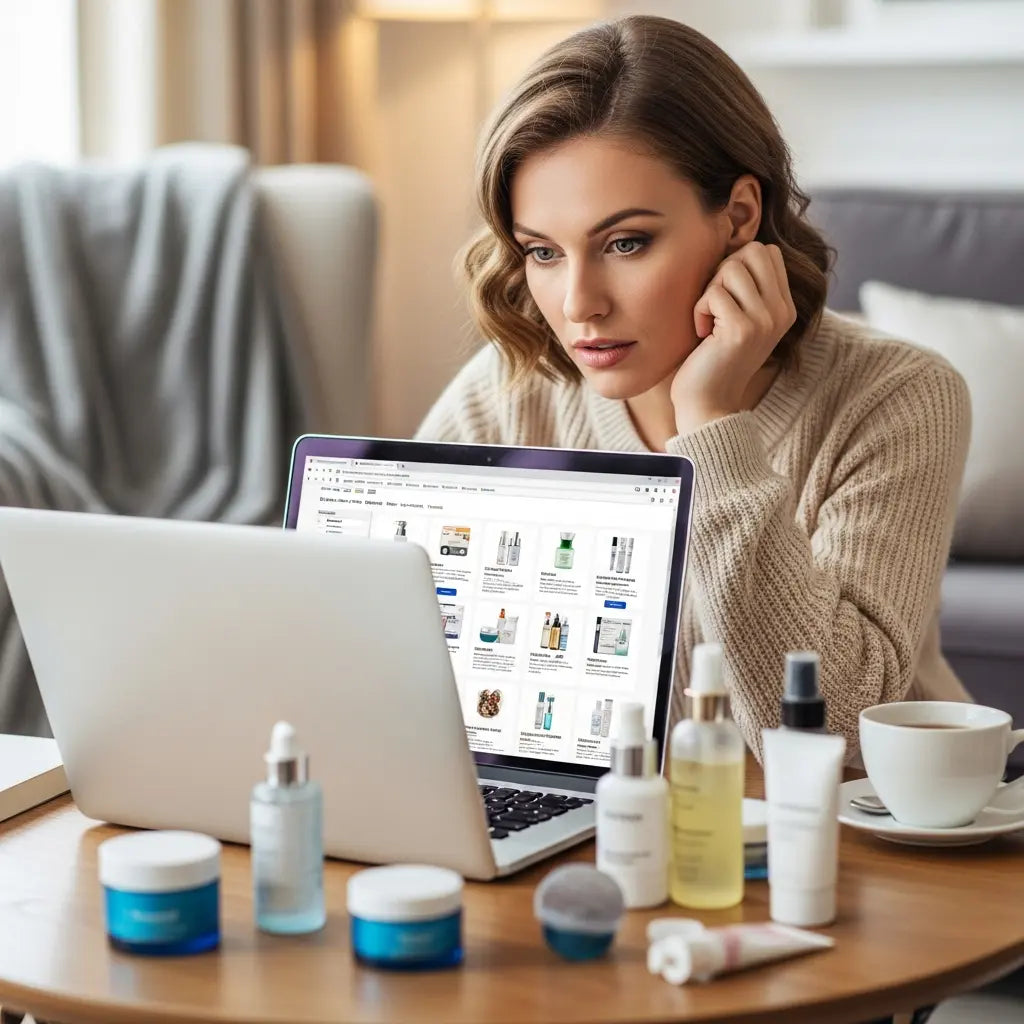
The same standards that define great organic skincare — covered in our review of the best organic skincare brands of 2025 — apply directly to haircare. True organic haircare uses ingredients grown without synthetic pesticides, herbicides, or chemical fertilizers, and is formulated without petrochemicals, sulfates, parabens, silicones, and synthetic fragrances. The keyword is certified. Without third-party certification like ECOCERT COSMOS Organic, the word organic on a label is just marketing — anyone can use it. For a deeper checklist before buying, see the questions to ask before buying any haircare product.
1. The Scalp Health Difference
Your scalp is skin — and like your facial skin, it absorbs what you put on it. Conventional shampoos typically contain harsh sulfates like Sodium Lauryl Sulfate (SLS) that strip the scalp's natural lipid barrier. Over time this leads to a damaged scalp barrier, increased oil production as the scalp tries to compensate, persistent dryness, dandruff, sensitivity, and reduced ability to support healthy hair growth.
Organic haircare uses gentler, plant-derived surfactants like coco-glucoside that cleanse effectively without disrupting the scalp microbiome. The result is a healthier scalp environment — the foundation of healthy hair.
2. The Hair Quality Difference
Conventional conditioners rely heavily on silicones — synthetic polymers that coat the hair shaft to create artificial smoothness. The effect is immediate, but the long-term cost is real. Silicones build up over time, preventing moisture and nutrients from actually reaching the hair shaft. Hair becomes dependent on silicones for that smooth feel, while the underlying hair structure becomes progressively drier and weaker.
Organic haircare nourishes hair with plant oils, botanical extracts, and natural proteins that actually penetrate the hair shaft. The shine you get is real shine from healthy hair — not a synthetic coating. This is covered in more depth in our comparison of organic versus regular hair oil.
Conventional silicones give instant cosmetic shine. Organic oils give measurable structural improvement over weeks.
3. The Long-Term Hair Growth Difference
This is where the gap becomes especially clear. Conventional haircare often contains ingredients that are known endocrine disruptors and can interfere with hormonal balance — including the hormones involved in hair growth cycles. Phthalates, parabens, and certain synthetic preservatives have all been studied for their potential impact.
Organic haircare formulations exclude these ingredients by certification standard. Over months and years, the difference compounds. Many people who switch notice not just stronger, shinier hair, but measurable improvement in scalp feel and hair growth rate. See the clinical evidence on rosemary oil for hair growth for one of the strongest examples.
4. Sensitive Scalps and Allergic Reactions
If you have ever experienced scalp itching, flaking, redness, or unexplained sensitivity, conventional haircare ingredients are often the culprit. The most common offenders are synthetic fragrances, sulfates, formaldehyde-releasing preservatives, and silicones. Certified organic haircare excludes all of these by design.
5. The Environmental and Ethical Dimension
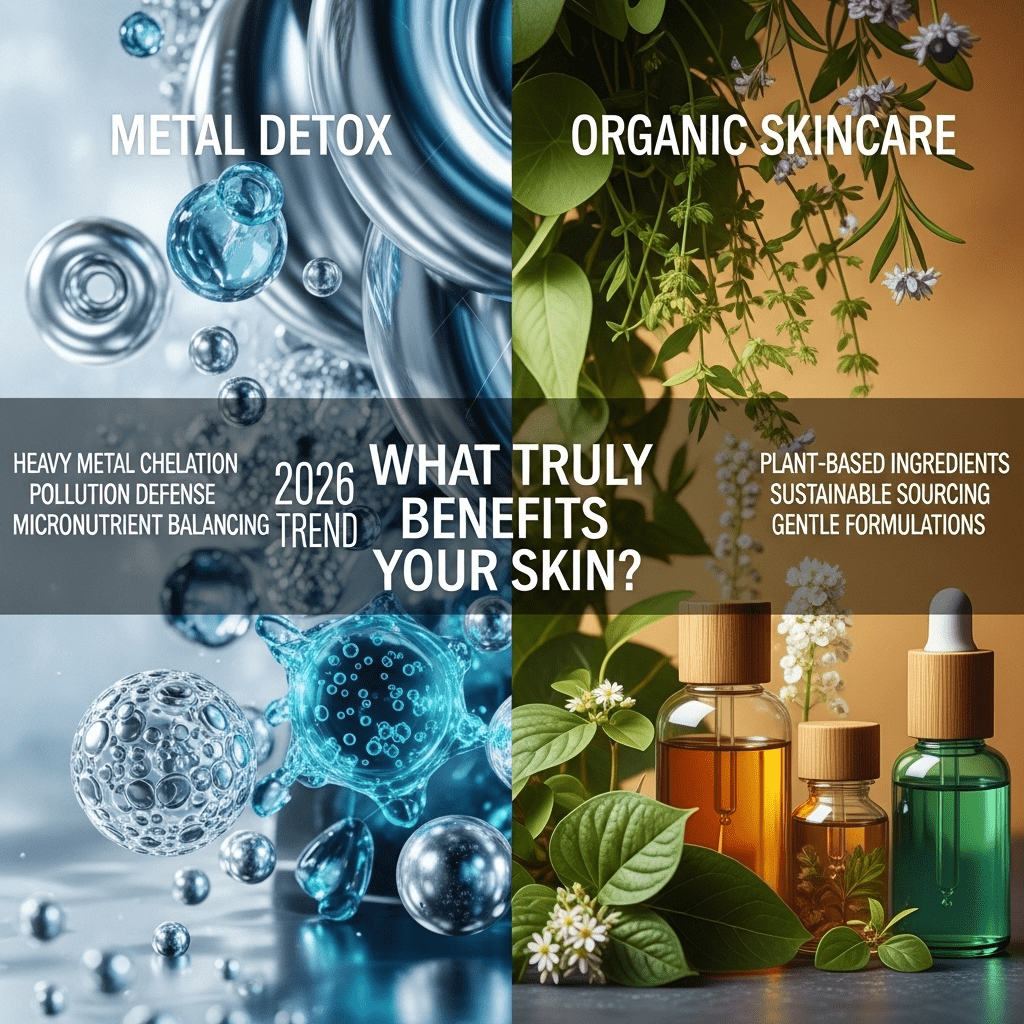
This is exactly the question our deep-dive on metal detox versus organic skincare examined for facial care — and the conclusion applies to your scalp too. Beyond your own scalp, organic haircare has a meaningfully smaller environmental footprint. Petrochemical-derived ingredients come from the fossil fuel industry. Silicones do not biodegrade and accumulate in waterways. Certified organic farming protects soil, water, and biodiversity.
Where Conventional Haircare Still Has Advantages
Honesty matters: conventional haircare is generally less expensive at face value, lathers more aggressively (which some people find satisfying), and conventional silicones create an instant smoothness that organic alternatives often build up to gradually. Ready to make the switch? Read our complete guide on transitioning to organic haircare safely.
The Bottom Line
For day-to-day haircare and especially for the long-term health of your scalp and hair, certified organic haircare is genuinely better. The key word is certified — uncertified claims are just marketing. Look for ECOCERT COSMOS Organic certification, transparent ingredient lists, and brands that disclose their actives clearly.