Einkaufswagen
0

What Questions Should You Ask Before Buying a Haircare Product?
Cut through the marketing. Nine essential questions every smart haircare shopper should ask before they spend a single euro.

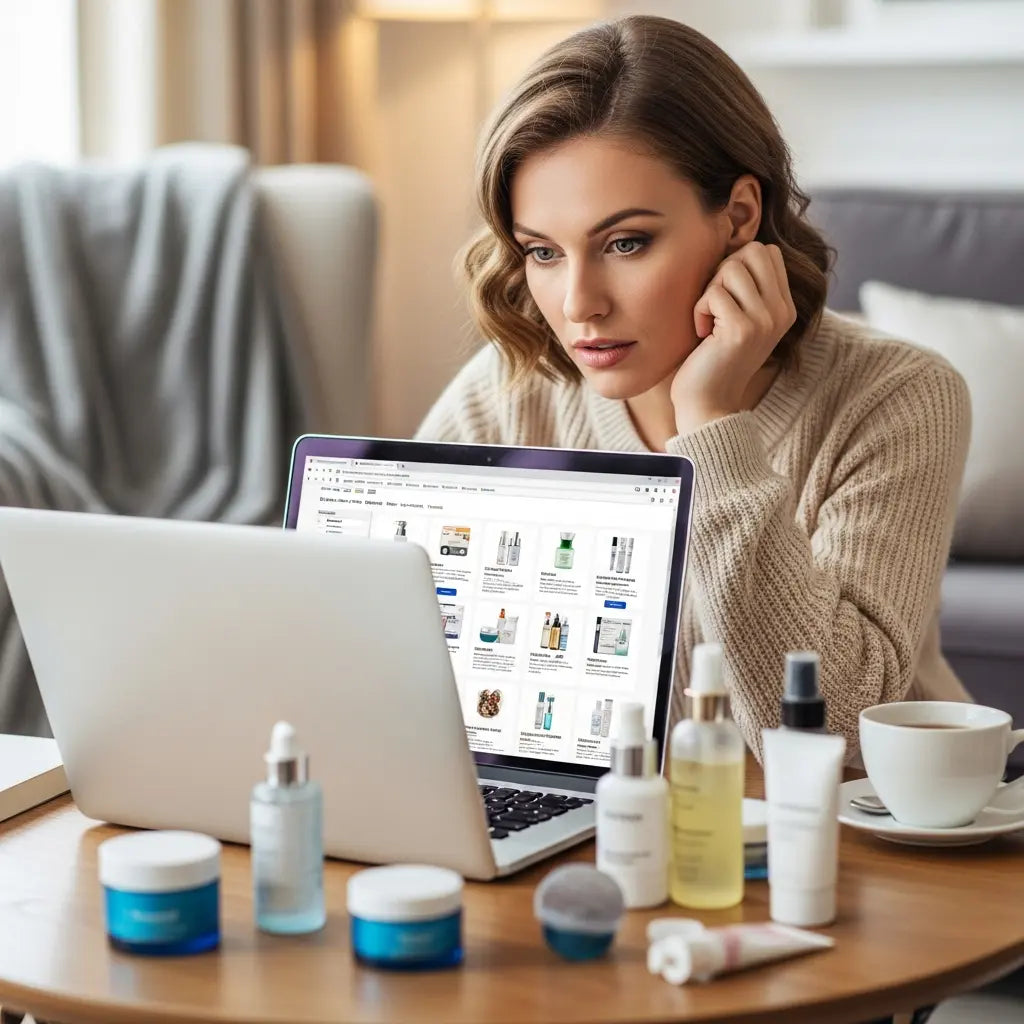
Walking into a haircare aisle - or scrolling through endless options online - can feel overwhelming. Every product makes bold promises, and every brand claims to be the best. So how do you cut through the marketing and find products that actually work for you? By asking the right questions before you buy. Here are the 9 essential questions every smart haircare shopper should ask.
1. What Are the First Five Ingredients?
In skincare and haircare, ingredients are listed in descending order by concentration. The first 5 ingredients make up the majority of any product. If you see water, sulfates, silicones, and synthetic preservatives at the top of the list, the product is built on cheap, low-performing ingredients. If you see organic plant oils, botanical extracts, and gentle plant-derived cleansers at the top, you are looking at a quality formulation. The same principle applies when comparing organic versus regular hair oils.
2. Is It Third-Party Certified?
Anyone can write organic, natural, or clean on a label. Real organic credibility requires independent verification. Look for certifications like ECOCERT COSMOS Organic, USDA Organic, or Soil Association Organic. These guarantee that ingredients are sourced and processed to verified standards. We applied the same certification lens when curating our list of the best organic skincare brands of 2025 - without certification, "organic" is just decoration. , that synthetic ingredients are excluded or strictly limited, and that the entire supply chain has been audited. This is the single biggest factor in deciding whether an organic claim is worth paying for.

3. Does It Match My Specific Hair Concern?
Generic haircare products are designed to work okay for everyone - which means they rarely work great for anyone. Before buying, identify your actual hair concern: thinning hair, dry scalp, color damage, breakage, frizz, oily roots. Then look for products formulated specifically for that concern with appropriate actives. For thinning hair, look for clinical ingredients like rosemary and peppermint - see the evidence behind rosemary oil for hair growth.
4. What Does the Brand NOT Use?
Quality brands are as transparent about what they exclude as what they include. Look for clear free-from lists: no sulfates, no parabens, no silicones, no synthetic fragrances, no phthalates, no formaldehyde-releasing preservatives. If a brand cannot tell you what it does not use, it likely uses most of these standard-issue irritants.
Quality brands are as transparent about what they exclude as what they include.
5. Where Is It Manufactured and By Whom?
This is also why our guide to the best organic skincare in the UK focuses on European standards. Quality matters. European manufacturers — particularly Italy, France, and Germany — typically follow significantly stricter cosmetic safety regulations than the US, with thousands more ingredients banned. Brands that openly share their manufacturing origins are usually more trustworthy than those that hide behind vague "made with love" language.
6. What Do Independent Reviews Actually Say?
Skip the brand's own testimonials and look at independent reviews on Trustpilot, Google, or independent skincare communities. Pay attention to long-term reviews (3-6 months in), not just first-impression reactions. Real efficacy shows up over time, not in the first wash.
7. Is It Cruelty-Free and Vegan?
If ethical sourcing matters, verify cruelty-free certification from Leaping Bunny or PETA, and check vegan status if relevant. Many mainstream brands still test on animals, especially when sold in markets that legally require it. Genuine cruelty-free brands have third-party verification.
8. What Is the Packaging Made Of?
If sustainability matters, check the packaging. Recyclable glass, recycled plastic, or biodegradable materials reflect a brand committed to environmental responsibility throughout the product lifecycle — not just in the formulation.
9. Will I Actually Use It Properly?
The best product in the world will not work if it sits unopened on your shelf. Before buying, honestly ask: am I going to use this consistently? Does the application process fit my routine? If a treatment requires 30-minute weekly applications and you know you will skip it, choose a quicker daily-use product instead. For matching products to your specific hair type, see our guide to choosing the right organic hair oil.
Red Flags to Watch For
- Vague ingredient lists or "all-natural" claims without certification
- No information about the brand's manufacturing or sourcing
- Prices too good to be true — premium organic ingredients have real costs
- Exaggerated marketing claims like "grows hair overnight" or "instant repair"
The Bottom Line
Smart haircare shopping is about asking better questions, not buying more products. Take 60 seconds before any purchase to check ingredients, certifications, and whether the product actually matches your specific concern. You will save money, time, and the disappointment of products that do not work.
✦