Einkaufswagen
0
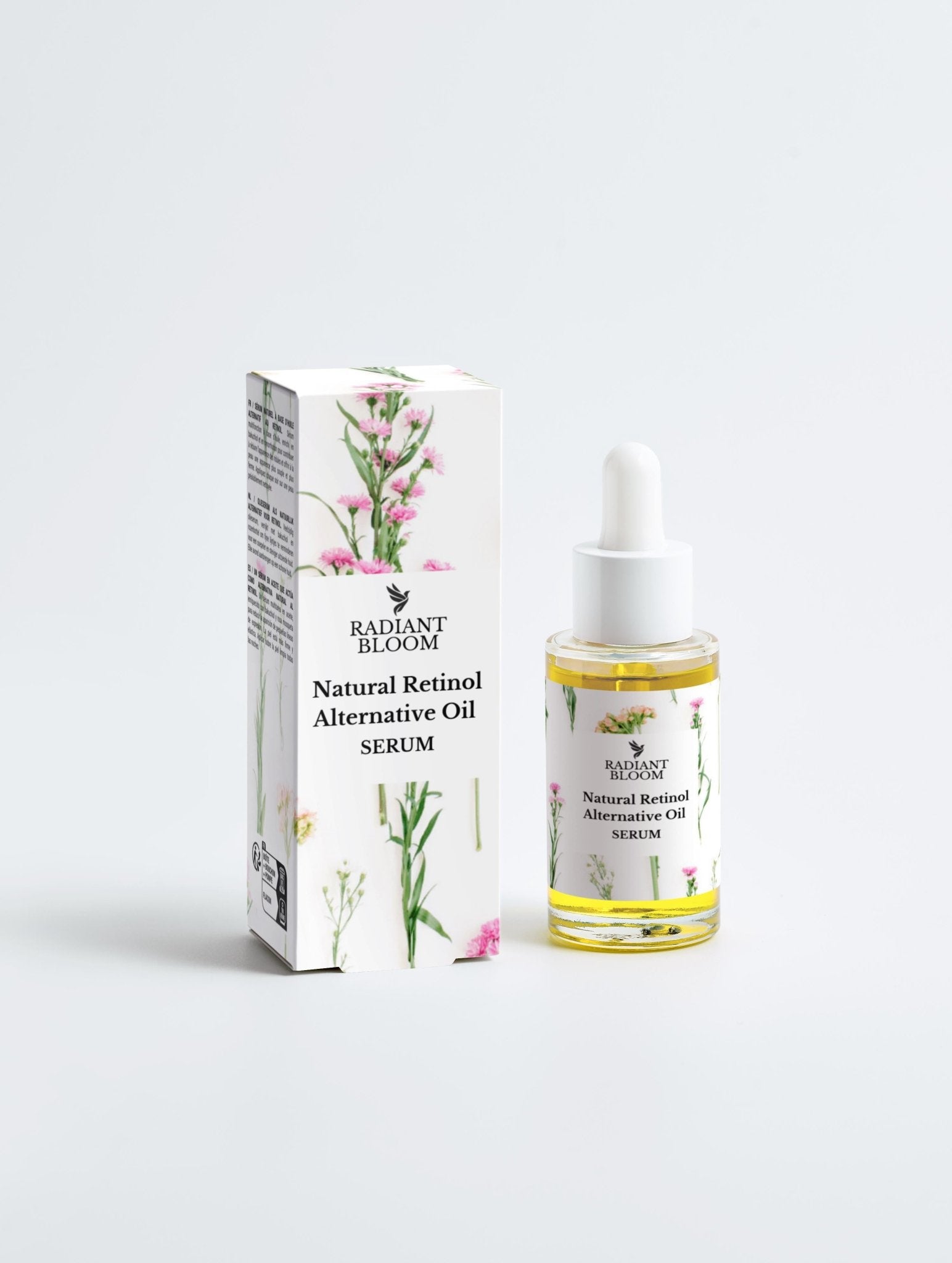
Good news for tired new moms: breastfeeding-safe skincare is far less restrictive than pregnancy skincare. Once your baby arrives, most ingredients come back, hydrators and mineral SPF never left, bakuchiol remains your anti-aging workhorse, and only a small handful of ingredients are still worth holding off on while you nurse. Here is exactly what is safe now, what most doctors still say should wait, and how to keep any product away from the one place that matters.
In this article
- How do the rules change after birth?
- Is bakuchiol safe while breastfeeding?
- What should still wait while nursing?
- The one rule every nursing mom should follow
- FAQ
How do the rules change after birth?
During pregnancy, the concern is ingredients reaching your baby through your bloodstream. While breastfeeding, the question becomes whether an ingredient meaningfully passes into breast milk, and for almost all topical skincare, the answer is no. Skincare sits in the upper layers of skin; very little enters circulation, and less still reaches milk. That is why the breastfeeding safe list is long:
| Ingredient | While breastfeeding |
|---|---|
| Hyaluronic acid, niacinamide, vitamin C, peptides | Safe, no restrictions |
| Bakuchiol | Generally considered safe (see below) |
| Glycolic and lactic acid (low strength) | Safe |
| Salicylic acid (low strength, wash-off) | Fine; skip high-strength peels |
| Mineral SPF (zinc oxide) | Safe and still essential for melasma |
| Retinoids (retinol, tretinoin) | Most doctors say wait until weaning |
| Hydroquinone | Wait, due to high absorption |
Is bakuchiol safe while breastfeeding?
This is the question we get most, so here is the careful, honest answer. Bakuchiol is a plant-derived ingredient from the babchi seed, and crucially it is not a retinoid; it simply activates some of the same skin pathways without belonging to the vitamin A family. There is no evidence of risk from topical bakuchiol while nursing, and its surface-level action and minimal absorption are exactly why dermatologists position it as the retinol alternative for both pregnancy and breastfeeding.
The honest caveat: dedicated breastfeeding studies do not exist for most cosmetic ingredients, bakuchiol included. So the accurate statement is "generally considered safe with no known concerns", not "proven in trials on nursing mothers". If you want absolute certainty, mention it to your doctor at a checkup; most will wave it through. For the full background on the ingredient, start with our guide on bakuchiol during pregnancy and who should not use bakuchiol.

Anti-aging that nurses along
Organic Bakuchiol Oil Serum
The plant-based retinol alternative that carried you through pregnancy keeps working through the nursing months.
€34.99
Shop bakuchiol →
What should still wait while nursing?
- Retinoids. The theoretical transfer to milk is tiny, but because safe alternatives exist, most doctors keep the "wait until weaning" advice. Bakuchiol covers the gap.
- Hydroquinone. Its unusually high skin absorption keeps it on the postponed list; azelaic acid and vitamin C handle post-pregnancy dark spots instead.
- High-strength professional peels. Fine to plan, better to book after weaning, or clear the timing with your doctor.
- Anything applied to the chest. Not an ingredient rule but a placement rule, covered next.

The one rule every nursing mom should follow
Whatever you use, keep it off the nipple and areola area, and anywhere your baby's mouth and hands rest during feeds. This single habit removes the main route by which skincare could ever reach your baby: direct contact. Apply body products after a feed rather than before, wash hands after applying actives, and if you use anything on the chest for stretch marks, choose a plain plant oil and time it between feeds. Postpartum skin also tends to be dehydrated from night feeds and hormonal shifts, so double down on the hydration layer.
For skin still finding its feet
All-In-One Facial Oil
Retinoid-free plant nourishment for face and body through the postpartum months.
€26.99
Shop facial oil →

For the night-feed face
Hydrating Serum
Deep, fuss-free hydration for skin running on interrupted sleep.
€24.99
Shop serum →
Coming from pregnancy? The full nine-month framework is in our pregnancy-safe skincare guide, and the sunscreen habit continues unchanged, as covered in mineral sunscreen for pregnancy.
Frequently asked questions
Is bakuchiol safe for breastfeeding?
It is generally considered safe. Bakuchiol is plant-derived, is not a retinoid, works at the skin's surface, and has no known concerns for nursing mothers, though dedicated breastfeeding studies do not exist for most cosmetic ingredients. Check with your doctor for personal reassurance.
Can I use retinol while breastfeeding?
Most doctors still advise waiting until you finish nursing, simply because safe alternatives like bakuchiol exist and remove any uncertainty.
Can I use vitamin C and niacinamide while nursing?
Yes, both are fully compatible with breastfeeding and are excellent for post-pregnancy dullness and dark spots.
What can I use on melasma while breastfeeding?
Daily mineral SPF plus vitamin C, azelaic acid or gentle glycolic exfoliation. Hydroquinone should wait until after weaning.
Do I need to change products before every feed?
No. Just keep all products away from the nipple area and anywhere your baby directly touches during feeds, and wash your hands after applying actives.
Skincare that keeps up with motherhood
Organic, vegan and retinoid-free, safe from bump to breastfeeding and beyond.
Shop the Nursing-Friendly Routine →Vegan. Cruelty-free. Mom-tested.
This article is for general information and is not medical advice. Always confirm your routine with your doctor, midwife or lactation consultant. For drug and ingredient safety while nursing, your doctor can consult resources like the US National Library of Medicine's LactMed database.