Einkaufswagen
0
Cruelty-free skincare means the product and its ingredients were not tested on animals, but here is the uncomfortable truth: the term itself is not legally regulated in most countries, so any brand can print it on a label. The claims you can actually trust come from independent certification programmes and honest supply-chain transparency, not from a bunny drawn by the brand's own design team. This guide explains what the label really means, how it differs from vegan, which logos carry weight, and the red flags that expose a fake claim in seconds.
In this article
- What does cruelty-free actually mean?
- Cruelty-free vs vegan: what is the difference?
- Which logos and certifications can you trust?
- How do you spot a fake cruelty-free claim?
- FAQ
What does cruelty-free actually mean?
In its honest form, cruelty-free means no animal testing at any stage: not on the finished product, not on individual ingredients, not by suppliers, and not by third parties on the brand's behalf in any market. That last clause matters, because a brand can avoid testing at home while paying for or permitting tests elsewhere to access certain markets.
Context worth knowing: the EU banned animal testing for cosmetics and the sale of newly animal-tested cosmetics years ago, so within Europe the baseline is already high. The claim becomes meaningful globally, where rules differ, and at the ingredient-supplier level, where the least visible testing happens. A genuinely cruelty-free brand can tell you how its supply chain is verified; a marketing-only one cannot.
Cruelty-free vs vegan: what is the difference?
The two labels answer different questions. Cruelty-free is about testing; vegan is about ingredients. A product can be either one without the other:
| Cruelty-free | Vegan | |
|---|---|---|
| What it promises | No animal testing anywhere in the chain | No animal-derived ingredients |
| Can it contain beeswax, lanolin, carmine, collagen? | Yes, it can | No, never |
| Legally regulated term? | Mostly no | Mostly no |
| What to look for | Independent certification (Leaping Bunny, PETA) | Full ingredient transparency or vegan certification |
The gold standard is both together: no animal testing and no animal-derived ingredients. That combination is exactly what we mean when we talk about truly ethical formulas in our ultimate guide to vegan skincare.

Which logos and certifications can you trust?
- Leaping Bunny. The strictest widely recognised programme: covers ingredients and suppliers, requires a fixed cut-off date, and includes independent audits.
- PETA's cruelty-free programmes. Brand commitments logged in a public database; the "and vegan" variant covers ingredients too.
- Certified organic seals like ECOCERT and COSMOS. These primarily certify organic sourcing and clean formulation, and organic certification audits bring a level of supply-chain transparency that marketing claims never do. Pair an organic seal with a cruelty-free certification and you have a fully verifiable product.
- Vegan Society and similar vegan marks. These verify the ingredient side of the equation.
No certification? Not automatically guilty; small brands sometimes skip the fees. But then the burden shifts to the brand to answer supply-chain questions plainly, which brings us to the red flags.
How do you spot a fake cruelty-free claim?
- A bunny logo you cannot find anywhere else. Invented icons mimic real certifications. Check the logo against the certifier's own directory.
- "We do not test on animals" with an asterisk. The fine print often reads "except where required by law", which historically meant permitting third-party testing in some markets.
- Silence about ingredient suppliers. Finished-product claims are easy; ingredient-level claims are the ones that cost effort. If the FAQ dodges the supplier question, be suspicious.
- Cruelty-free as the only virtue. On its own, the claim says nothing about what is in the bottle. A cruelty-free formula can still be a paraben-and-fragrance cocktail. Look for the full picture: testing policy, ingredient list, and certifications together.
- Parent-company blur. Some certified brands sit inside groups with different policies. Whether that matters is a personal call, but a transparent brand tells you; a cagey one hopes you will not ask.
For how these games play out with "organic" and "natural" claims too, our guide to vegan brands with cruelty-free, sustainable packaging digs into packaging and sourcing claims as well.

Ethical and clinical, together
Organic Bakuchiol Oil Serum
Vegan, cruelty-free and organically certified anti-aging, proof the three can coexist in one bottle.
€34.99
Shop bakuchiol →
Everyday ethical hydration
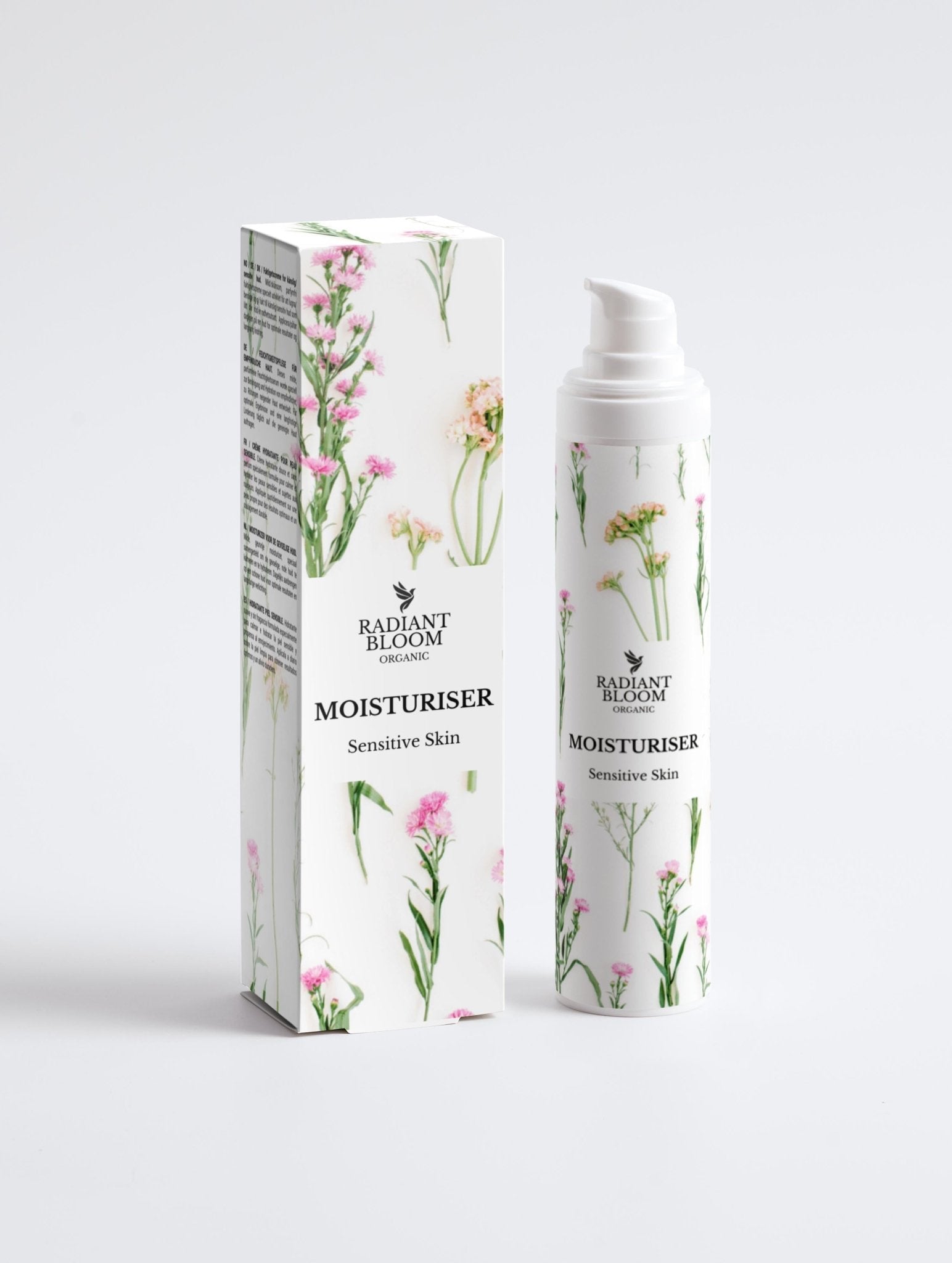
Sensitive Skin Moisturiser, 50ml
A vegan, cruelty-free daily cream whose ingredient list survives the flashlight test.
€24.99
Shop moisturiser →

Kind to animals and reefs
Mineral Sunscreen SPF30 for Face & Body
Vegan, cruelty-free, reef-safe zinc protection, ethics from ingredient list to ocean.
€29.99
Shop SPF30 →
Frequently asked questions
Is cruelty-free the same as vegan?
No. Cruelty-free means no animal testing; vegan means no animal-derived ingredients. A product can be cruelty-free yet contain beeswax or lanolin, and vice versa. The most ethical products are both.
Is the term cruelty-free legally regulated?
In most countries, no. That is why independent certifications like Leaping Bunny, which audit ingredients and suppliers, matter more than the words on the front of the box.
Are products sold in the EU automatically cruelty-free?
The EU bans animal testing for cosmetics sold within it, which sets a strong baseline. Global brands, however, may operate differently in other markets, so certification and transparency still matter.
Does cruelty-free mean the ingredients are safe or natural?
No. It only addresses testing. A cruelty-free product can still contain synthetic fragrances or harsh ingredients, so read the ingredient list separately.
Is Radiant Bloom Organic cruelty-free?
Yes. Our products are vegan and cruelty-free, with certified organic sourcing, and we are happy to answer supply-chain questions directly, which is exactly the standard we suggest holding every brand to.
Ethics you can verify
Vegan, cruelty-free, certified organic skincare, no asterisks, no invented bunnies.
Shop the Full Collection →Vegan. Cruelty-free. Certified organic.
Certification programmes and their criteria evolve; always check a certifier's current standards. You can verify certified brands directly in the Leaping Bunny programme directory.


Vanya Ivanova —
Great article! At Via Sistina, we also appreciate the growing focus on cruelty-free beauty and more conscious skincare choices. Understanding how products are developed and choosing brands that align with responsible practices can help consumers make more informed decisions without compromising on quality. Thanks for sharing this useful guide to cruelty-free skincare!