Einkaufswagen
0
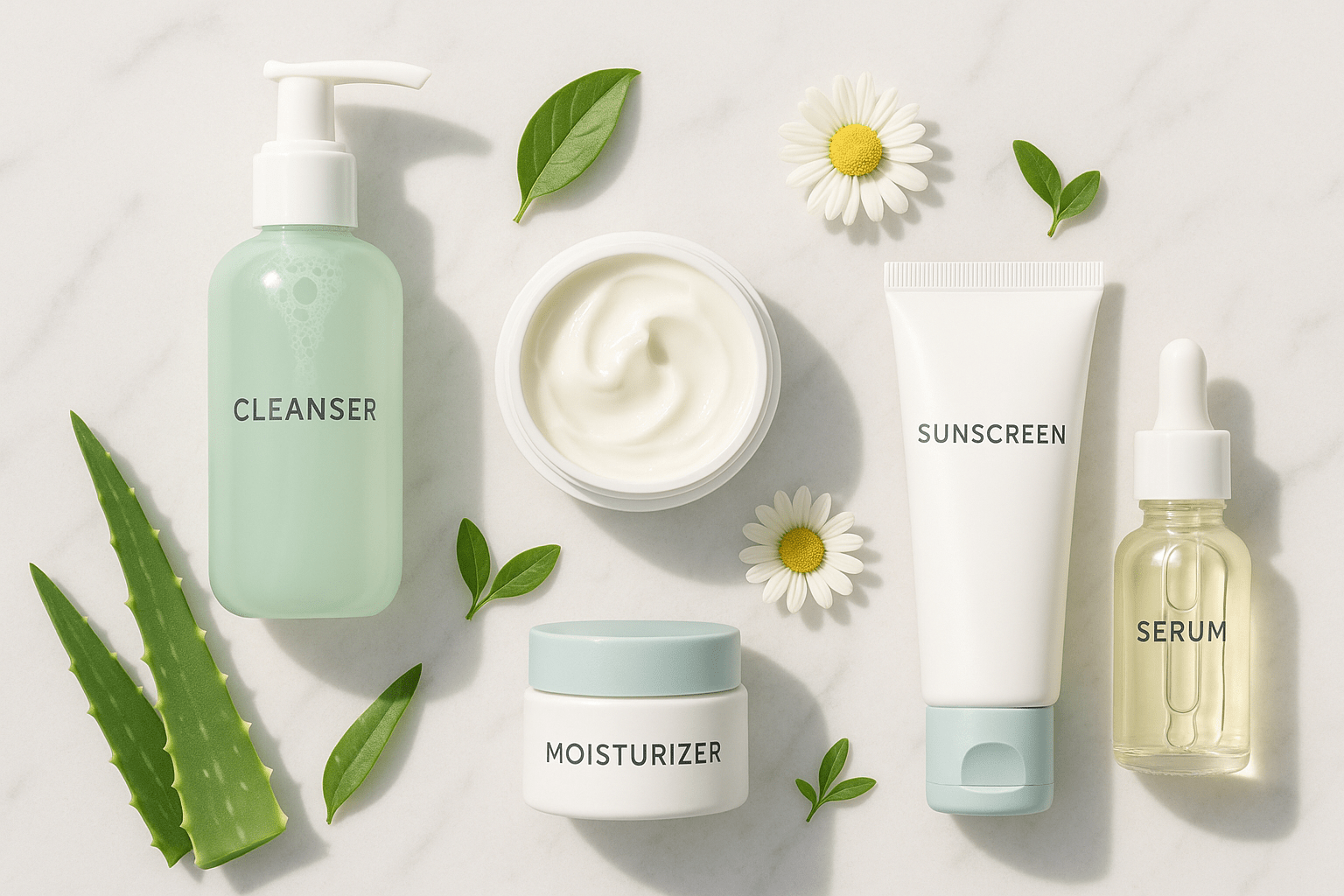
Here is the honest starting point: "non-toxic" is a marketing term, not a legal one. No regulator defines it, and technically everything is toxic at some dose, including water. What shoppers actually mean by non-toxic skincare is sensible and worth pursuing: products free of contested ingredients, made with full transparency, gentle enough not to need an asterisk. This guide translates the buzzword into a practical checklist: what the term can and cannot promise, which ingredients the clean-beauty world avoids and why, and how to shop without being played by a label.
In this article
- What does non-toxic actually mean on a skincare label?
- Which ingredients do non-toxic shoppers avoid, and why?
- What should you look for instead?
- How do you build a non-toxic routine without overpaying?
- FAQ
What does non-toxic actually mean on a skincare label?
Legally, almost nothing. Cosmetics sold in the EU are already screened against a list of over 1,600 banned substances, so every legal product has passed a safety bar. When a brand prints "non-toxic", it is making an unregulated claim, exactly like "clean" or "natural", and just like cruelty-free claims, the words alone prove nothing.
What the term usefully signals, when a brand backs it up, is a precautionary formulation philosophy: leaving out ingredients that are contested, allergenic, environmentally harmful, or simply unnecessary, even when regulations still permit them. That is a real and checkable standard. The rest of this guide shows you how to check it.
Which ingredients do non-toxic shoppers avoid, and why?
Being honest matters here: for several of these, the science is contested rather than settled, and the dose in a single product is tiny. The precautionary case is about cumulative exposure across many daily products, plus skin sensitivity and environmental impact.
| Ingredient | Why it is avoided | Status |
|---|---|---|
| Synthetic fragrance (parfum) | The most common skincare allergen and irritant; the term can hide dozens of undisclosed components | Well documented |
| Formaldehyde releasers (DMDM hydantoin, quaternium-15) | Slowly release a known irritant and sensitiser | Well documented |
| Phthalates | Endocrine-disruption concerns; several already restricted in the EU | Partly regulated, partly contested |
| Parabens (longer-chain) | Contested endocrine questions; shorter-chain ones are broadly considered safe at regulated levels | Contested |
| Oxybenzone and octinoxate | Detected in body fluids after use; harmful to coral reefs | Environmental case is strong |
| Microplastics and PEG-heavy fillers | Environmental persistence; add little for skin | Environmental |
| Denatured alcohol (high on the list) | Drying and barrier-stripping for many skin types | Skin-comfort issue, not toxicity |
Notice what is not on the list: acids, vitamins, minerals and plant actives with long safety records. Non-toxic does not mean ingredient-phobic; it means choosing deliberately.

What should you look for instead?
- Independent certification. COSMOS and ECOCERT organic certification audits every ingredient and its sourcing, which no self-declared "clean" claim does.
- A full, explained INCI list. Transparent brands name every ingredient and tell you what it does. If a glossary exists, that is a good sign; ours is public for exactly this reason.
- Fragrance-free or naturally scented. The single biggest irritation variable removed.
- Mineral SPF. Zinc-based sunscreen sidesteps both the absorption debate and the reef damage, as we cover in our mineral sunscreen guide.
- Vegan and cruelty-free credentials if ethics are part of your definition; our vegan skincare guide covers what those labels do and do not promise.
How do you build a non-toxic routine without overpaying?
Clean formulation does not require a luxury price tag; it requires a short, honest formula. A complete non-toxic routine is four steps: a gentle cleanser, a hydrating serum, a moisturiser, and mineral SPF. Everything else is optional refinement.

Step one, nothing hidden
Organic Micellar Water with Hyaluronic Acid
Cleansing without sulphates, stripping or mystery fragrance.
€19.99
Shop micellar water →
The daily benchmark
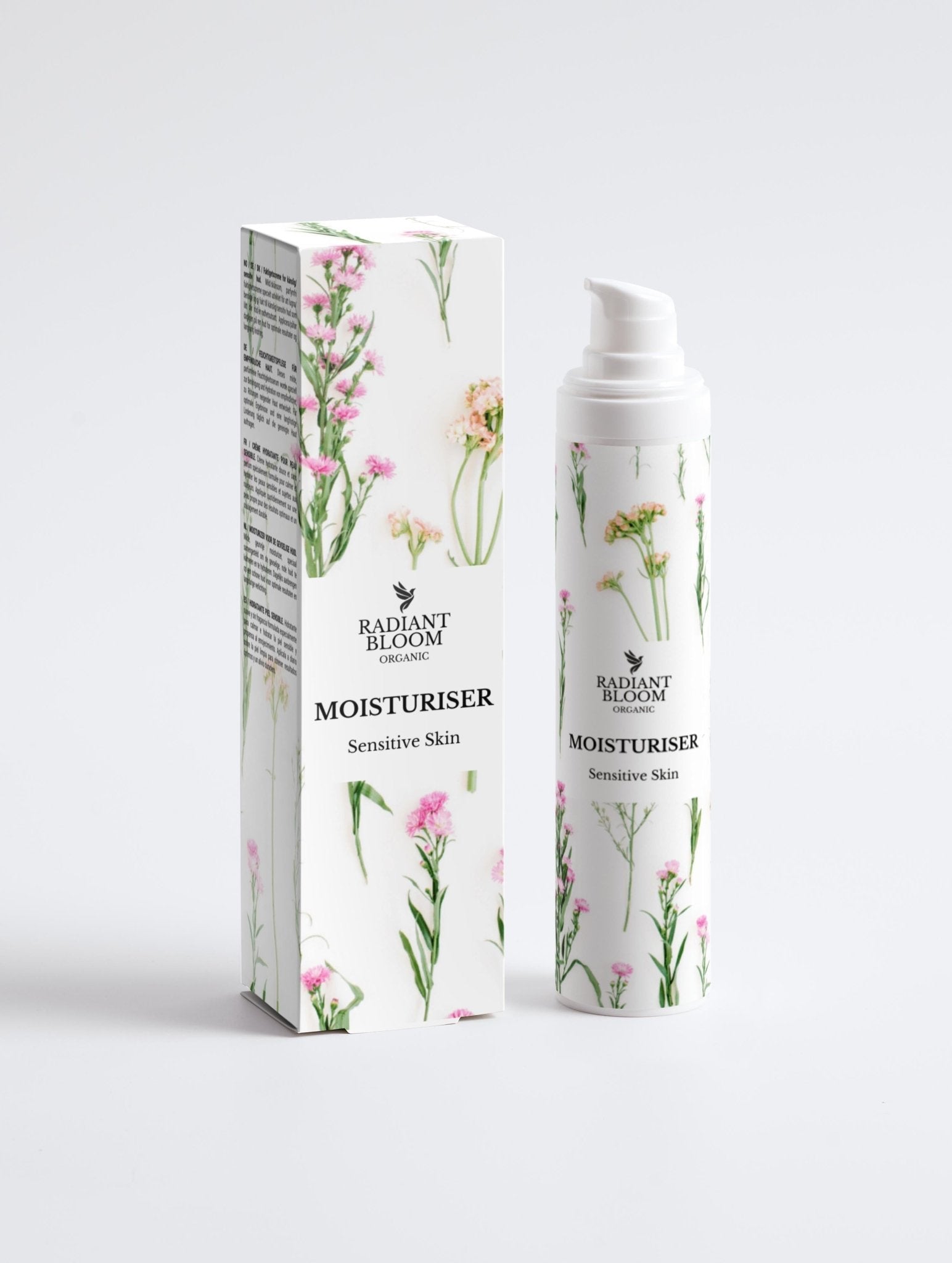
Sensitive Skin Moisturiser, 50ml
Certified organic hydration formulated for skin that reacts to the usual suspects.
€24.99
Shop moisturiser →

The cleanest SPF choice
Mineral Sunscreen SPF30 for Face & Body
Zinc-based, reef-safe protection with no chemical UV filters to debate.
€29.99
Shop SPF30 →
Frequently asked questions
Is non-toxic skincare a regulated term?
No. Like "clean" and "natural", it is a marketing term with no legal definition. Trust certifications and full ingredient transparency instead of the phrase itself.
Are parabens actually dangerous?
The honest answer is contested. Regulators consider approved parabens safe at permitted levels, while precautionary shoppers avoid them over endocrine-disruption questions, especially the longer-chain forms. Avoiding them is a reasonable personal choice, not a scientific emergency.
Does non-toxic mean chemical-free?
Nothing is chemical-free; water is a chemical. Non-toxic in practice means avoiding contested, allergenic or environmentally harmful ingredients while keeping well-studied ones.
Is natural always safer than synthetic?
No. Poison ivy is natural; many synthetic ingredients are gentler and more stable than their natural counterparts. Judge each ingredient on evidence, not origin.
What is the fastest way to detox my routine?
Swap the three highest-contact products first: cleanser, moisturiser and sunscreen. Those touch your skin daily and in the largest amounts, so upgrading them delivers most of the benefit.
Nothing to hide, everything explained
Certified organic, vegan formulas with every ingredient named and justified.
Shop Transparent Skincare →Vegan. Cruelty-free. Certified organic.
This article reflects the precautionary approach behind clean formulation and notes where science is contested rather than settled. For the EU's regulatory framework on cosmetic ingredients, see the European Commission's CosIng database.