Wir haben Ihnen eine E-Mail mit einem Link zum Aktualisieren des Passworts geschickt.
Passwort zurücksetzen
Wir werden Ihnen eine E-Mail zum Zurücksetzen des Passworts schicken.
How to Choose the Best Organic Hair Oil for Your Hair Type — 2026 Guide
My Store Admin
0 Kommentare
-->
Haircare Education8 min read
How to Choose the Best Organic Hair Oil for Your Hair Type
Not all organic hair oils suit every hair type. Match the right formula to your specific needs — and stop wasting money on products that fight your hair.
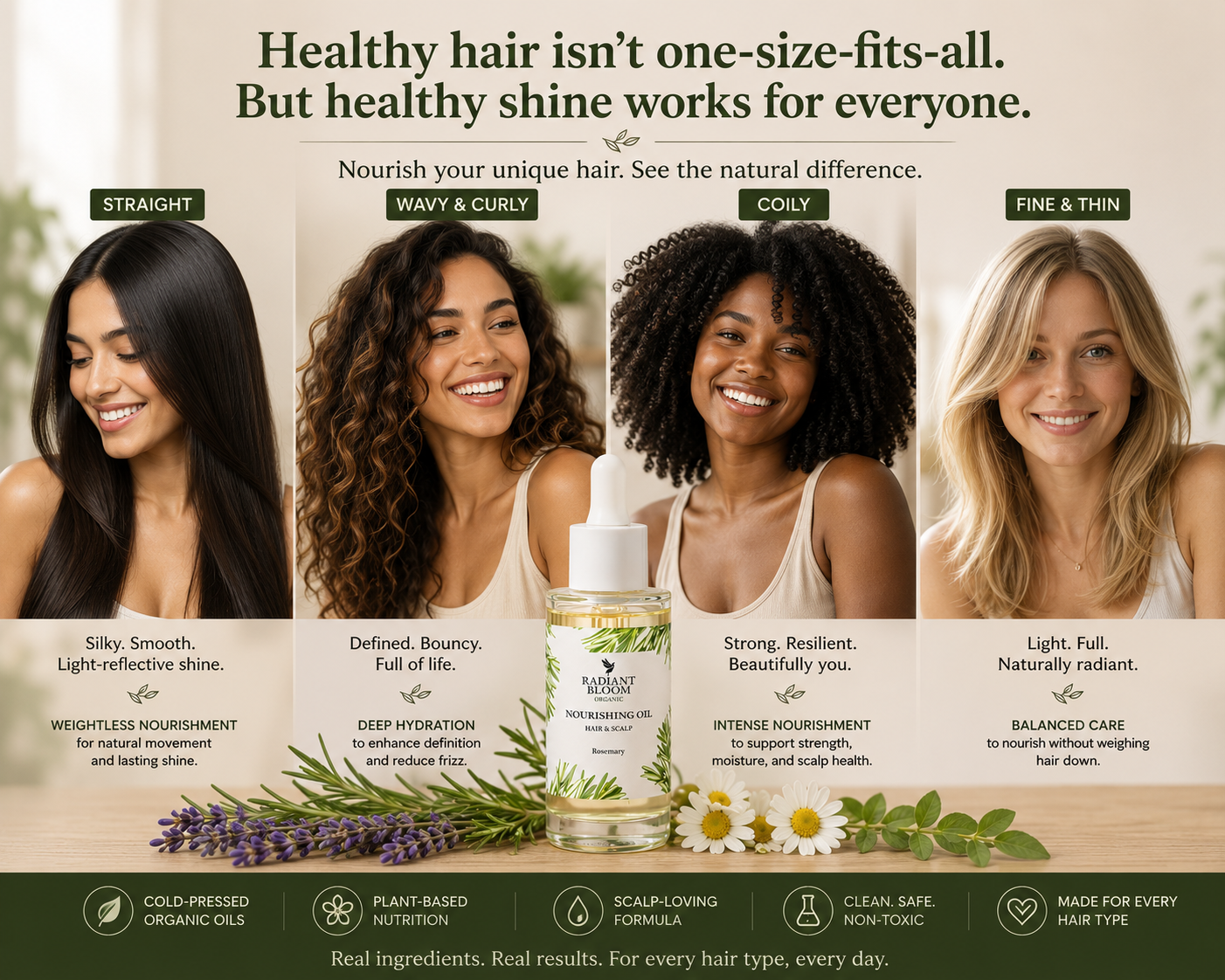
Not all hair oils suit every hair type — even when they are all certified organic. The best organic hair oil for fine, oily hair is very different from the best one for thick, dry curls. Choosing the right oil for your specific hair type makes the difference between great results and disappointing ones. Here is the complete guide to matching organic hair oil to your unique hair needs.
Step 1: Identify Your Hair Type Honestly
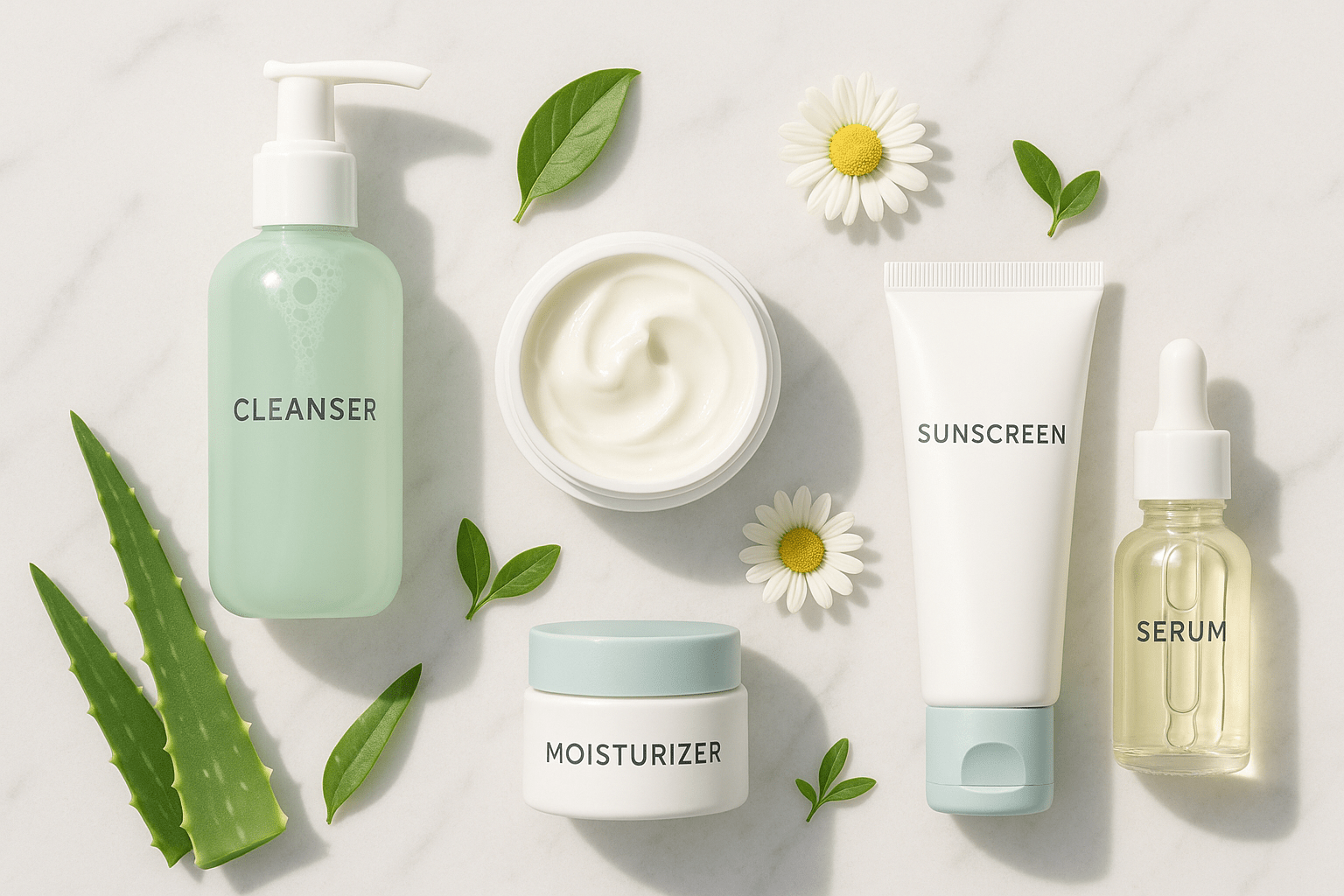
Just as building the right skincare routine starts with honestly identifying your skin type, choosing the right hair oil starts with knowing your hair. Most people fall into one of these categories: fine and thin (sparse strands, oily roots, prone to limpness), medium (average density, the most flexible type), thick and coarse (dense hair, often dry, can handle heavier products), curly or coily (textured, naturally drier, needs more moisture), color-treated or processed (chemically altered, requires repair-focused care), or thinning or fragile (visible scalp, requires gentle scalp stimulation).
Step 2: Match the Oil to the Need
For Thinning or Hair Loss: Choose an oil with rosemary and peppermint as central ingredients — the two most clinically backed botanicals for stimulating circulation and hair growth. The research on rosemary oil specifically is unusually strong.
For Fine or Oily Hair: Choose lighter plant oils like jojoba, argan, and sunflower as primary ingredients. Avoid heavier oils like coconut and castor for daily use. Apply only to lengths and ends — not roots.
For Thick or Coarse Hair: Look for richer oils including avocado, olive, hemp, and rosemary in combination. Thicker hair absorbs and benefits from heavier formulations.
For Curly or Coily Hair: Prioritize deep penetrating oils like avocado, olive, and almond combined with rosemary. Apply to damp, freshly washed hair to seal in moisture.
For Color-Treated Hair: Choose antioxidant-rich oils like rosemary, argan, and avocado that help protect color from oxidative damage. Apply weekly as deep treatment.
For Damaged or Brittle Hair: Look for high concentrations of fatty-acid-rich oils: argan, avocado, almond, and olive. Use 2-3 times per week as deep treatments.
For Sensitive Scalps: Choose hair oils with shorter ingredient lists and no added essential oils if you are particularly sensitive. Always patch test first.
Your hair type determines which organic oils will work hardest for you.
Step 3: Check the Certification
This is the same standard we applied when curating our list of the best organic skincare brands of 2025. Regardless of your hair type, certification is non-negotiable. Look specifically for ECOCERT COSMOS Organic. This guarantees that the ingredients are genuinely organic, that the manufacturing meets strict standards, and that the product is what it claims to be. Without certification, organic on the label is just a marketing word — exactly the point made in our breakdown of why certified organic hair oil is genuinely different.
Step 4: Read the Concentration Story
On the ingredient list, the first 5 ingredients should be plant oils — not water, not silicones, not fillers. The more plant-oil-dense the formulation, the more nutritional value it delivers. Premium organic hair oils are 90% or more plant oil content. For a deeper comparison, read the differences between organic and regular hair oil.
The first 5 ingredients should be plant oils. If they aren't, you're paying premium prices for a mostly-conventional product.
Step 5: Match the Format to Your Routine
Think about how you will actually use the oil. A pump bottle is convenient for daily use. A dropper bottle is precise for targeted scalp application. A dark glass bottle protects sensitive oils from light degradation — important for high-quality formulations.
Common Mistakes When Choosing Hair Oil
Choosing based on price alone: Very cheap organic oils often cut corners on quality or certification. Very expensive ones can be overpriced.
Choosing based on scent: Strong scent can indicate synthetic fragrance, which is best avoided. The scent should be subtle and naturally herbal.
Ignoring your scalp: Hair oils are marketed for hair, but the scalp is where hair growth begins. Choose oils that benefit both.
If you are unsure of your hair type or want one oil that works well across multiple hair types, look for a multi-oil blend with rosemary and peppermint as anchor ingredients alongside argan, almond, avocado, and other plant oils. This combination addresses scalp health (rosemary, peppermint) and hair shaft repair (argan, avocado) simultaneously — suitable for most hair types.
Our Rosemary Hair & Scalp Strengthening Oil is built exactly this way: eight organic plant oils combining scalp-stimulating and hair-repairing benefits, formulated to work across hair types from fine to coarse.
The Bottom Line
The best organic hair oil for your hair type is the one that matches your specific needs, carries genuine certification, and that you will actually use consistently. Choose intentionally, read the ingredients, and commit to using it for at least 8 weeks before evaluating results. If you are just starting your switch to organic, read our complete guide on transitioning to organic haircare safely. Quality and consistency always win.