Einkaufswagen
0
Search "best organic moisturiser UK" and you'll get a hundred listicles that never explain how to actually choose. This guide does the opposite: it shows you what "organic" really means on a UK label, the five things that separate a genuinely good moisturiser from marketing, and how to match one to your skin.
What does "organic moisturiser" actually mean in the UK?
There's no single legal definition of "organic" for cosmetics in the UK, which is exactly why the word gets overused. A product can put a sprig of something botanical on the front and call itself "natural" while the formula is mostly synthetic. The way to cut through it is to look for independent certification and a transparent ingredient list — not the marketing on the front of the jar.
In the UK and Europe, the certifications worth knowing are COSMOS Organic and the Soil Association, which verify the percentage of organic and naturally-derived content and ban a long list of questionable ingredients. If a brand is certified, it will say so clearly. If it isn't, the honest ones will at least publish a full INCI (ingredient) list so you can check for yourself.
5 things that separate a great organic moisturiser from a mediocre one
1. Barrier ingredients, not just "nice" oils
A good moisturiser combines three types of ingredient: humectants that draw in water (glycerin, hyaluronic acid, aloe), emollients that soften (plant oils, shea, squalane), and occlusives that seal moisture in. Cheaper "organic" creams often skip the humectants, so they feel rich but don't hydrate deeply.
2. A short, readable ingredient list
You shouldn't need a chemistry degree to read the label. A well-formulated organic moisturiser tends to have a focused list of recognisable plant ingredients rather than 40 fillers. Fewer ingredients also means fewer potential irritants.
3. Fragrance you can trust (or none at all)
"Parfum" — even natural fragrance — is one of the most common causes of irritation. For sensitive or reactive skin, fragrance-free is the safest choice. If a product is scented, it should be lightly and naturally, never to mask a cheap base.
4. It's matched to your skin type
The "best" moisturiser is the one that suits your skin. Dry skin wants richer emollients; oily and combination skin want a lighter gel-cream; sensitive skin wants fragrance-free and minimal actives. A single cream can't be perfect for everyone — be sceptical of any product that claims to be.
5. Genuine cruelty-free and vegan credentials
For most UK shoppers choosing organic, ethics matter too. Look for clear vegan formulation and cruelty-free commitments rather than vague claims. Certification logos (like Leaping Bunny) are more reliable than a bunny drawn on the box.
Our pick for most people
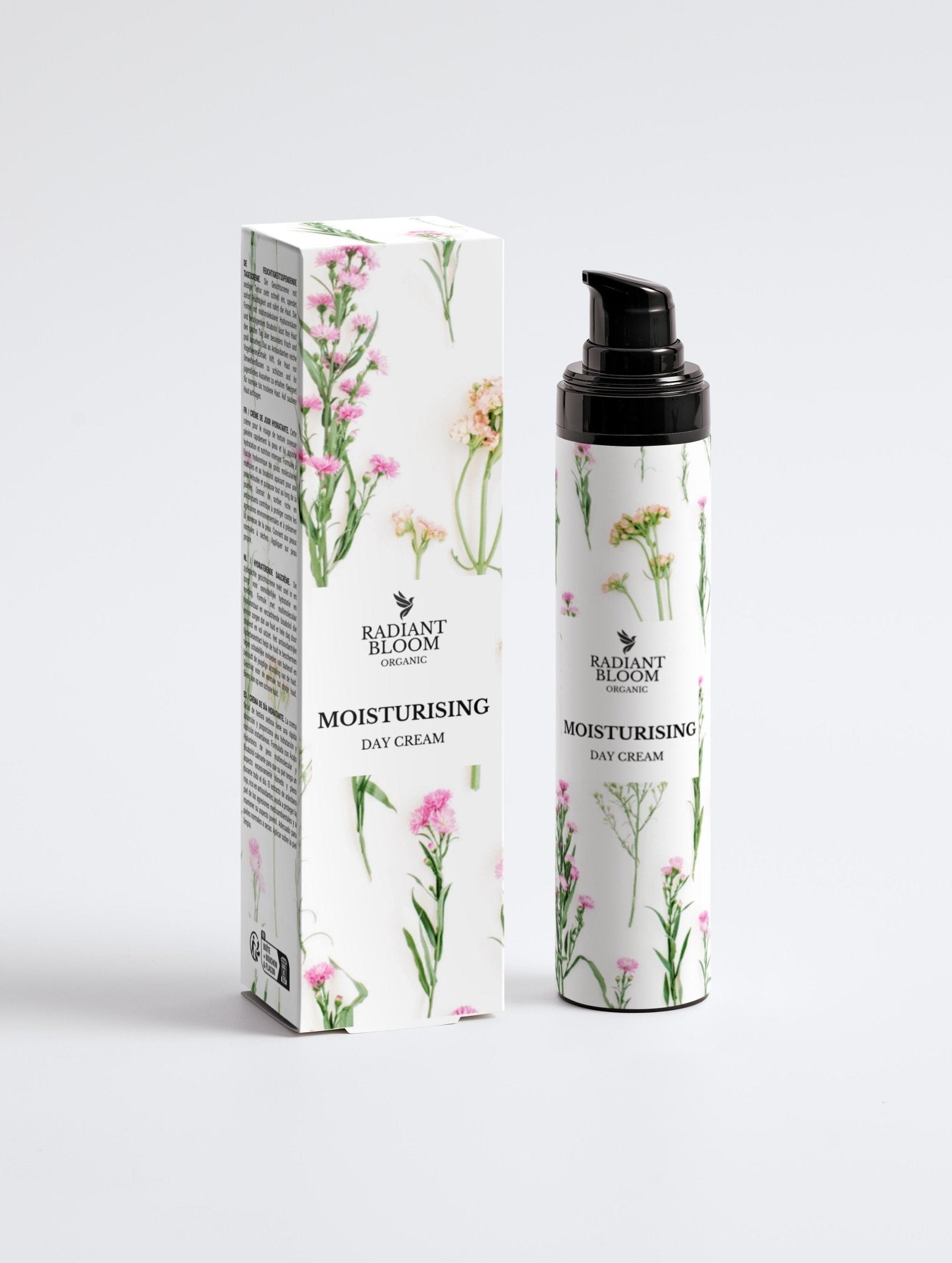
Our organic Sensitive Skin Moisturiser was built around exactly these principles: a focused, fragrance-free formula that pairs humectants with nourishing plant emollients to hydrate and rebuild the barrier — vegan, cruelty-free, and gentle enough for reactive skin. If you prefer a lighter finish for daytime, the Moisturising Day Cream is the everyday option, and for overnight repair there's the Collagen Anti-Age Night Cream.
Shop the Sensitive Skin MoisturiserHow to match a moisturiser to your skin type
- Dry / mature skin: a richer cream with plant oils and squalane; consider a dedicated night cream for extra repair.
- Oily / combination skin: a lighter gel-cream or oil-free hydrator that won't feel heavy or clog pores.
- Sensitive / reactive skin: fragrance-free, short ingredient list, no unnecessary actives.
- Hard-water areas: prioritise barrier support, since hard water wears the barrier down faster (more on that below).
How to apply it for best results
Whatever you choose, apply moisturiser to slightly damp skin — straight after a serum or toner — so you trap that water underneath. This one habit does more for hydration than upgrading to a more expensive cream. In winter or hard-water areas, a drop of facial oil pressed on top seals it all in.
Quick answers
What's the difference between organic and natural moisturiser?
"Natural" broadly means plant-derived ingredients, with no legal standard behind it. "Organic" refers to how those ingredients were grown and is only meaningful when backed by certification like COSMOS or the Soil Association.
Are organic moisturisers better for sensitive skin?
Often, yes — because good organic formulas tend to avoid synthetic fragrance and harsh preservatives. But "organic" alone doesn't guarantee gentleness; a fragrance-free, short-ingredient formula is what matters most.
Where can I buy certified organic skincare in the UK?
Directly from clean-beauty brands that publish full ingredient lists and certifications. See our guide to UK stores linked below.
· · ·