Einkaufswagen
0
"Skin flooding" is one of the most-searched skincare trends in the UK right now — and unlike most viral hacks, this one is actually sound. It's a simple layering method for drenching dehydrated skin in hydration. Here's exactly what it is, who it suits, and how to do it with clean, plant-based products.
What is skin flooding?
Skin flooding is a layering technique where you apply several lightweight, water-based hydrators onto slightly damp skin, one after another, then seal them in with a moisturiser (and, optionally, a facial oil). The idea is to "flood" the skin with layers of humectants — ingredients that draw and hold water — while the surface is still wet, so each layer traps moisture rather than letting it evaporate.
It went viral on TikTok, but the principle is borrowed from the layering logic of Korean skincare and from the classic dermatology advice to "moisturise onto damp skin." That's why it works: it's a trend built on a genuinely established idea.
Who should try skin flooding?
Skin flooding is ideal if your skin feels tight, looks dull, or has fine "dehydration lines" that appear when you smile. It's especially useful in the UK for two reasons: central heating in winter and hard water both pull moisture out of the skin. If you've ever felt parched despite using a rich cream, the problem is usually dehydration (lack of water), not dryness (lack of oil) — and flooding targets exactly that.
It suits most skin types, including oily and combination skin, because the layers are lightweight and water-based rather than heavy. If your skin is very reactive, simply use fewer layers and fragrance-free formulas.
How to do skin flooding, step by step
- Cleanse gently. Use a mild, non-stripping cleanser and leave your skin slightly damp — don't towel it bone dry.
- Mist or tone. Press a hydrating, alcohol-free toner or facial mist over damp skin. This is your first layer of water.
- Layer a hydrating serum. While skin is still damp, smooth on a humectant-rich serum (look for hyaluronic acid, glycerin or aloe). Pat, don't rub.
- Add a second hydrating layer if needed. A little more toner or serum on the driest areas — the "flooding" part.
- Seal with moisturiser. Lock everything in with a barrier cream while skin is still tacky.
- Optional: a drop of facial oil. In very dry or hard-water areas, one or two drops of oil on top stops all that water escaping.
The golden rule: always apply onto damp skin, and always seal at the end. Humectants like hyaluronic acid draw water from wherever they can — if you apply them to dry skin in a dry room with nothing on top, they can actually pull moisture out of deeper layers. The moisturiser step is what makes flooding work.
Build your flooding routine
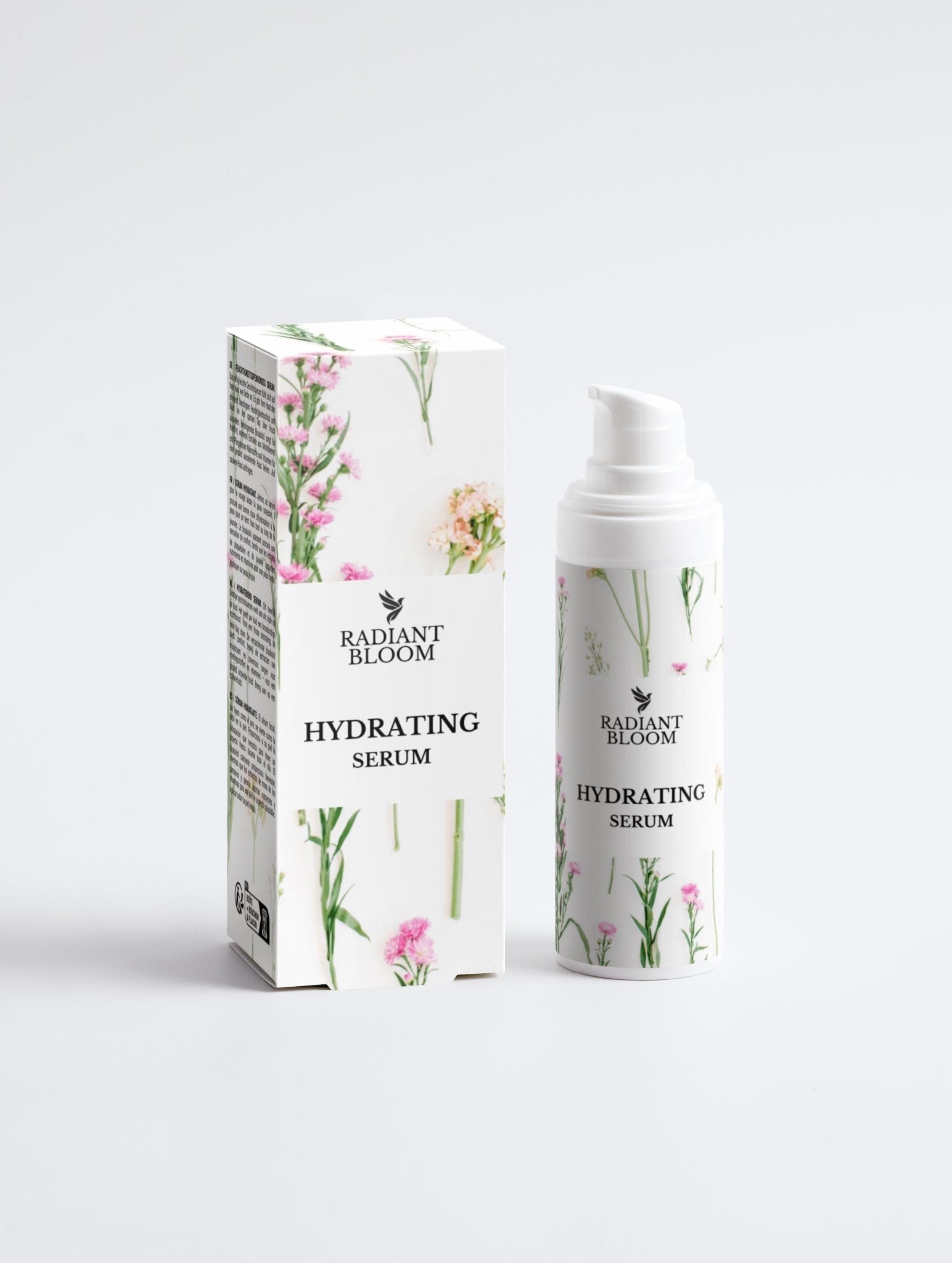
You only need three clean staples. Start with our Hydrating Toner with Rose Flower Water as your damp base, layer our lightweight Hydrating Serum for the humectant flood, then seal with the organic Sensitive Skin Moisturiser. All vegan, fragrance-conscious and made for layering.
Shop the Hydrating SerumSkin flooding mistakes to avoid
- Applying to dry skin. The whole method depends on a damp base — this is the number-one reason people say it "didn't work."
- Skipping the seal. Without a moisturiser on top, your layers evaporate within minutes.
- Using too many actives. Flooding is about hydration, not exfoliation. Keep acids and retinol alternatives to a different part of your routine.
- Over-layering oily skin. Two water-based layers plus a light moisturiser is plenty; you don't need a heavy oil if you're already oily.
How often should you do it?
You can flood every evening if your skin is very dehydrated, or a few nights a week as a top-up. Many people in the UK do it nightly through winter, then scale back in summer. Because it's just hydration, there's no "purging" or adjustment period — you should feel the plumping effect from the first night.
Quick answers
Is skin flooding good for oily skin?
Yes. Oily skin is often dehydrated underneath, and flooding uses lightweight water-based layers, so it hydrates without feeling greasy. Finish with a gel or light cream rather than a heavy oil.
What products do I need for skin flooding?
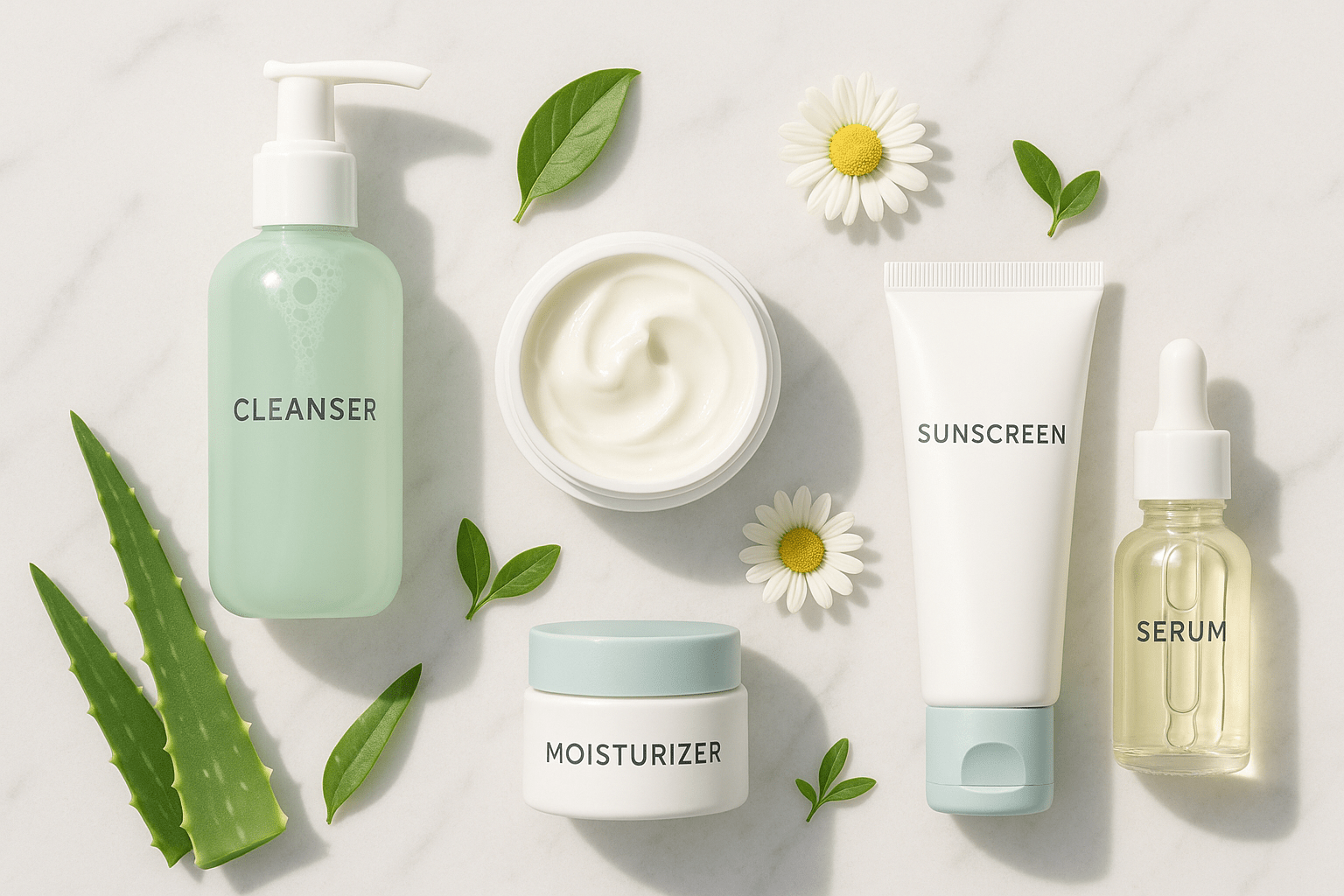
A gentle cleanser, a hydrating toner or mist, a humectant serum (hyaluronic acid or glycerin), and a moisturiser to seal. An optional facial oil helps in very dry conditions.
Is skin flooding just the same as moisturising?
It's moisturising done deliberately — multiple thin water-based layers on damp skin, sealed at the end, rather than one cream on dry skin. The layering and the damp application are what set it apart.
· · ·