Einkaufswagen
0
The right cream for eczema-prone skin is a fragrance-free emollient with a short ingredient list, applied generously and often, at least twice a day and always straight after washing. Eczema itself is a medical condition, so emollients recommended by your GP or pharmacist are the foundation, with prescribed treatment during flares. A gentle daily moisturiser is what keeps skin comfortable between them.
In this article: what to look for on the label, ingredients to avoid, how to apply it properly, common UK triggers, baby and child eczema, and an FAQ.
Please read this first: eczema (atopic dermatitis) is a medical condition and this article is general skincare guidance, not medical advice. No cosmetic moisturiser treats or cures eczema. If your skin is cracked, weeping, infected or not improving, see a GP or pharmacist, who can prescribe treatment that works far better than anything bought off a shelf.
What should you look for in a cream for eczema-prone skin?
The label matters more than the marketing. Eczema-prone skin has a weakened barrier that loses water quickly and reacts to things that other skin ignores, so the goal is simple: put moisture back, seal it in, and add nothing that provokes a reaction.
| Look for | Why it helps |
|---|---|
| Fragrance-free (including no essential oils) | Fragrance is one of the most common irritants for reactive skin |
| A short ingredient list | Fewer ingredients means fewer chances of a reaction |
| Humectants such as glycerin | Draw water into the skin |
| Barrier lipids and plant emollients | Rebuild the layer that holds moisture in |
| A thicker, richer texture | Ointments and rich creams hold moisture better than light lotions |
| Pump or tube packaging | More hygienic than dipping fingers into an open tub |
Be sceptical of anything promising to cure eczema. Under UK rules, a product that genuinely treats a medical condition is a medicine, not a cosmetic. A well-made moisturiser can keep skin far more comfortable, which is a real and worthwhile benefit, but it is a different claim.
Which ingredients should you avoid?
- Fragrance and parfum, including natural essential oils such as lavender or citrus.
- Denatured alcohol, which dries an already compromised barrier.
- Harsh foaming agents in washes, which strip the skin further.
- Exfoliating acids and scrubs on active patches. Eczema-prone skin does not need exfoliating.
- Very hot water, which is not an ingredient but does more damage than most of them.

Step 1 · Wash without stripping
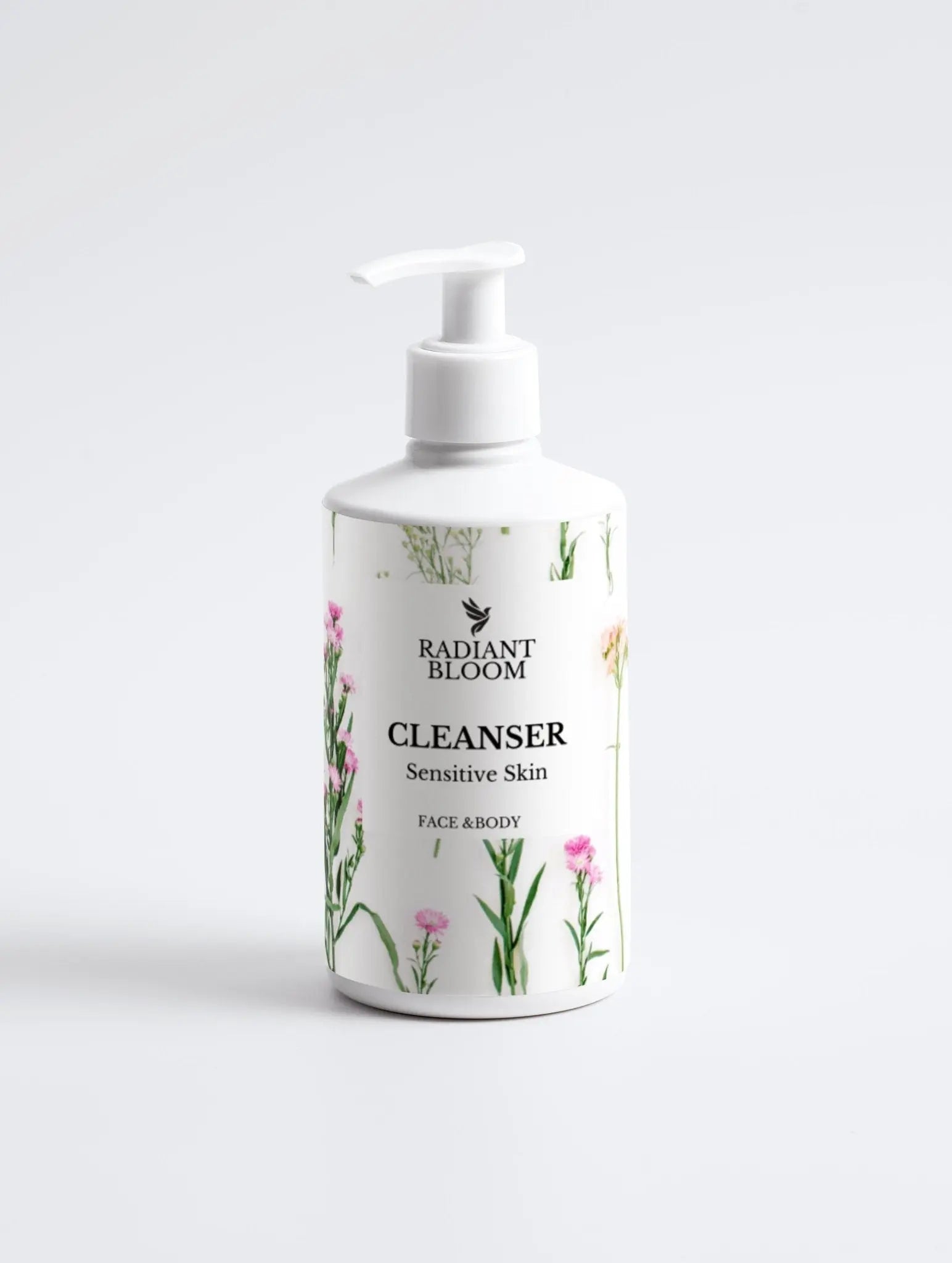
Sensitive Skin Face & Body Cleanser
A gentle, non-foaming wash for face and body. Ordinary soap is a frequent culprit behind that tight, itchy feeling after a shower.
View product →How do you apply moisturiser properly?
Most people use far too little, far too rarely. Technique genuinely matters here.
- Apply within three minutes of washing, while skin is still slightly damp, so you trap that water.
- Use much more than feels normal. Dermatology guidance for eczema-prone skin points to generous, repeated use rather than a thin layer once a day.
- Smooth downwards, in the direction of hair growth. Rubbing in circles can irritate follicles.
- Reapply through the day, especially on hands, which lose moisture every time they are washed.
- Keep going when skin looks fine. Consistent daily use between flares is the part that makes the biggest difference.

Step 2 · Daily barrier care
Sensitive Skin Moisturiser
Fragrance-free, organic and made with a deliberately short ingredient list for reactive, eczema-prone skin. Everyday comfort between flares, alongside whatever your GP has recommended.
View product →What triggers eczema flare-ups in the UK?
Triggers are personal, but several are common enough here to be worth checking first.
- Hard water. Most of the UK lives in a hard water area, and mineral-heavy water plus soap leaves a residue that irritates atopic skin. We covered this in detail in our guide to hard water and your skin barrier.
- Cold weather and central heating. The classic winter flare, caused by low humidity indoors and out. See our UK winter skincare guide.
- Laundry detergent and fabric softener. Residue sits against skin all day. Non-bio and an extra rinse cycle often help.
- Wool and synthetic fabrics. Cotton next to the skin is usually kinder.
- Stress and poor sleep, both very commonly reported.
- Overheating at night, which drives the itch-scratch cycle.
What about baby and child eczema?
Eczema is very common in babies and often appears on the cheeks, scalp and the creases of elbows and knees. The principles are the same but the margin for error is smaller, because infant skin is thinner and absorbs more.
Keep baths short and lukewarm, skip bubble bath entirely, use a fragrance-free wash designed for babies, and moisturise generously straight after drying. Do not use exfoliating products, essential oils or adult actives on a baby. Most importantly, see your health visitor or GP early rather than experimenting: infant eczema is very treatable, and prescribed emollients and short courses of treatment during flares are safe and effective when used as directed.

For little ones · Bath time
Organic Baby Body Wash with Chamomile & Linseed
Newborn-safe and gentle, formulated without the foaming agents and fragrance that make sensitive baby skin worse at bath time.
View product →When should you see a doctor?
Book an appointment if the skin is cracked, weeping, crusted or looks infected, if the itch is disturbing sleep, if a flare is not settling after a couple of weeks of diligent moisturising, or if eczema is affecting a baby or young child. A GP or pharmacist can confirm what you are dealing with and prescribe emollients and short-term treatments. Skincare supports that plan, it does not replace it.
Frequently asked questions
What is the best cream for eczema-prone skin?
A fragrance-free emollient with a short ingredient list and a rich texture, applied generously at least twice daily. The best one is the one you will actually use often enough, so texture and feel matter.
Can a moisturiser cure eczema?
No. Eczema is a long-term medical condition with no cosmetic cure. Consistent moisturising reduces dryness and helps keep skin comfortable between flares, which is a genuine benefit but a different thing.
How often should you moisturise eczema-prone skin?
At least twice a day, and always within a few minutes of washing. Hands often need reapplying more frequently. Keep going even when skin looks clear.
Does hard water make eczema worse?
It can. Hard water combined with soap leaves a residue that disrupts the skin barrier, and research has linked hard water areas to a higher risk of eczema, particularly in early childhood.
Is baby eczema the same as adult eczema?
It is the same underlying condition but often appears in different places, commonly the cheeks and skin creases in babies. Treat it more gently and involve your health visitor or GP early.
· · ·