Cart
0
Keratosis pilaris, the rough little bumps on the backs of the arms and thighs often called chicken skin, happens when keratin builds up and plugs the hair follicles. It is harmless, very common, and cannot be cured, but it responds well to management: gentle cleansing, regular chemical exfoliation with an acid such as glycolic or salicylic, and consistent moisturising. Most people see noticeably smoother skin in 4 to 8 weeks.
In this article: what keratosis pilaris is, what causes it, what works, a simple routine, KP on the face, what to avoid, and an FAQ.
What is keratosis pilaris?
Keratosis pilaris is a build-up of keratin, the protein that makes up the outer layer of your skin. Instead of shedding normally, the keratin forms a hard plug that blocks the opening of a hair follicle. The result is a cluster of small, firm bumps that feel like sandpaper or goose flesh that never settles. They can be skin-coloured, red or brown, and they are most common on the backs of the upper arms, the fronts of the thighs, the buttocks and sometimes the cheeks.
It is extremely common, affecting a large share of the population at some point, and it is most noticeable in teenagers and young adults. It often improves on its own with age. It is not an infection, it is not caused by poor hygiene, and it is not contagious.
What causes those bumps on my arms?
The honest answer is that the exact trigger is not fully understood, but the main factors are well established.
- Genetics. Keratosis pilaris runs strongly in families. If a parent has it, you are much more likely to.
- Dry skin. It is consistently worse when skin is dry, which is why it flares in a British winter and eases in summer.
- Associated skin conditions. It is more common in people with eczema or generally dry, atopic skin.
- Hormonal shifts. Puberty and pregnancy can make it more pronounced.
Because genetics sit underneath it, no product will permanently remove it. The realistic and achievable goal is smoother, less red, less noticeable skin, maintained with a routine.
What actually works for keratosis pilaris?
Two things do almost all the work: exfoliating the plug away, and keeping skin hydrated so new plugs form more slowly. Everything else is secondary.
| Approach | What it does | Verdict |
|---|---|---|
| Glycolic acid (AHA) | Dissolves the bonds holding dead cells, clearing the plug and smoothing texture | Very effective |
| Salicylic acid (BHA) | Oil-soluble, works inside the follicle to break down the plug | Very effective |
| Urea or lactic acid creams | Exfoliate and deeply hydrate at the same time | Effective |
| Daily moisturising | Reduces the dryness that makes bumps worse and rougher | Essential |
| Gritty body scrubs | Irritates and inflames without clearing the follicle | Avoid |
| Picking or squeezing bumps | Causes redness, scabbing and possible scarring | Avoid |
Glycolic acid is the one most people reach for first, and it is worth understanding before you start. Our full guide to glycolic acid: benefits, how to use it and who it suits covers strengths, timing and how to build up without irritation. If you want the general rules on frequency for face and body, see how often you should exfoliate.

The key step · Exfoliate
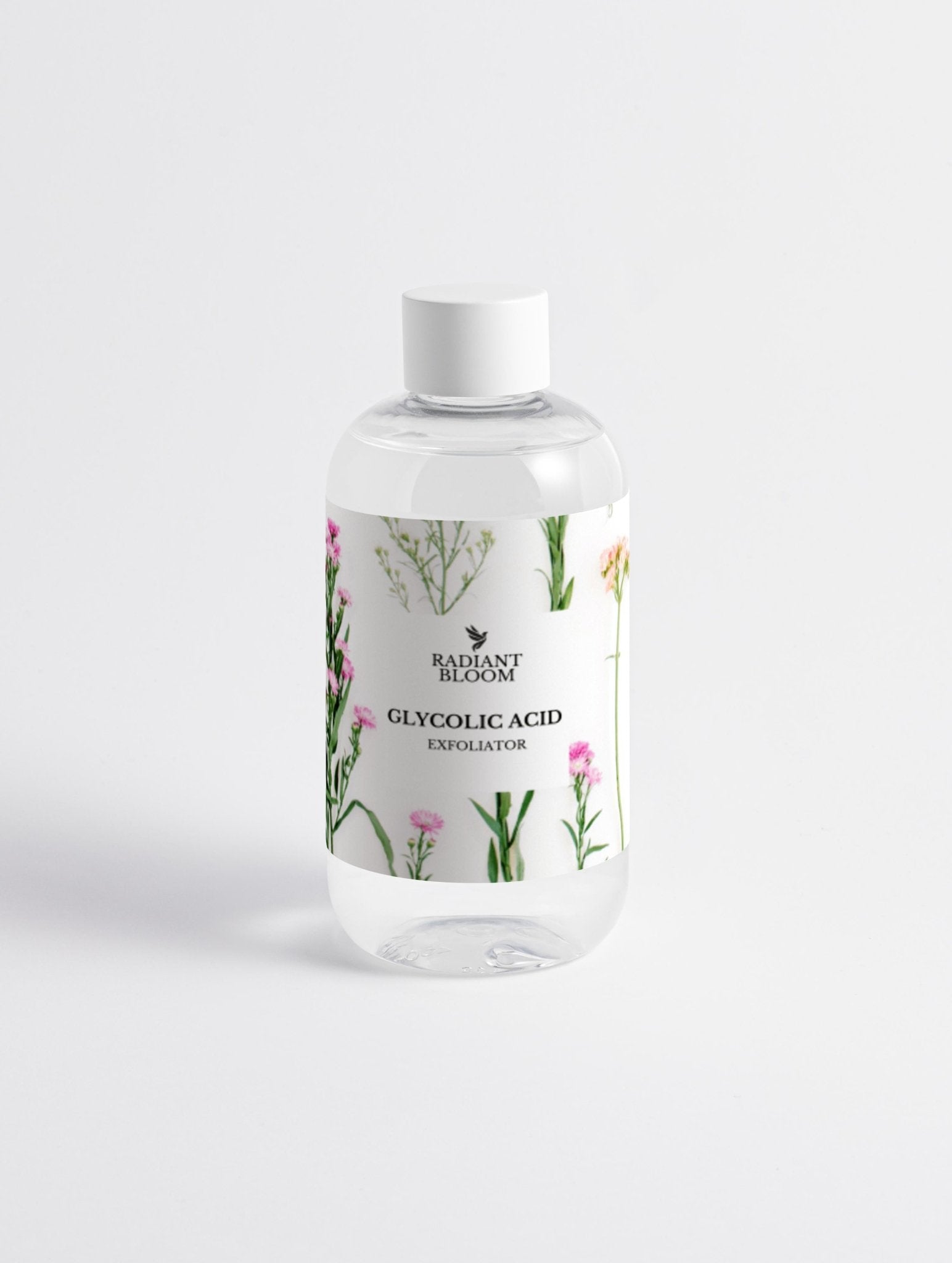
Glycolic Acid Liquid Exfoliator
A generous 250ml size, which makes it practical for arms and thighs rather than just the face. Sweep over affected areas 2 to 3 times a week to clear plugs and smooth roughness.
View product →A simple keratosis pilaris routine
- Shower lukewarm, not hot. Hot water strips the skin and makes KP rougher and redder. Keep it short.
- Wash with a gentle, non-stripping cleanser. Harsh soaps worsen the dryness that drives the condition.
- Exfoliate chemically, 2 to 3 times a week. Apply your acid to clean, dry skin on the affected areas. Do not scrub.
- Moisturise every single day. Ideally within a few minutes of getting out of the shower, while skin is still damp.
- Be patient and consistent. Give it 4 to 8 weeks before judging, and keep going once it improves.
The most common reason people say nothing works is that they exfoliate aggressively for a week, see irritation, and stop. Gentle and regular beats intense and occasional every time with KP.

Daily · Cleanse
Sensitive Skin Face & Body Cleanser
A non-stripping wash for arms, thighs and body. Cleans without the tight, squeaky feeling that leaves keratosis pilaris rougher.
View product →What about keratosis pilaris on the face?
KP on the cheeks is common, particularly in children and teenagers, and it is often mistaken for acne. The difference matters: acne treatments that dry the skin out will usually make KP worse, because dryness is one of its drivers. Treat facial KP much more gently than you would treat arms. Use a mild acid at a lower frequency, once or twice a week, always follow with a barrier-supporting moisturiser, and wear daily sunscreen since redness is more noticeable on sun-exposed skin. If you are unsure whether you are dealing with KP or acne, a GP or pharmacist can tell you quickly.

Every day · Hydrate
Sensitive Skin Moisturiser
Fragrance-free and organic, for facial keratosis pilaris and for calming the areas you have just exfoliated. Dryness makes KP worse, so this step is not optional.
View product →What makes keratosis pilaris worse?
- Long hot showers and baths. Comforting in winter, but they strip the lipids that keep skin supple.
- Loofahs and harsh scrubs. Physical abrasion inflames the follicle without removing the plug.
- Picking at the bumps. Leads to redness, marks and occasionally scarring, which lasts far longer than the bump would have.
- Skipping moisturiser. The fastest way to lose any progress you have made.
- Cold, dry weather. Expect a flare each winter and step up hydration in advance rather than reacting to it.
When should you see a doctor?
Keratosis pilaris is harmless and does not require medical treatment. It is worth speaking to a GP or pharmacist if the bumps are very itchy or inflamed, if you are not sure whether it is KP rather than eczema or acne, or if it is causing you distress and over-the-counter routines have not helped after a couple of months. Prescription-strength urea or retinoid creams are available and can work well for stubborn cases.
Frequently asked questions
Can keratosis pilaris be cured permanently?
No. It has a genetic basis, so there is no permanent cure. It can be managed very effectively with regular chemical exfoliation and moisturising, and it often fades naturally with age.
Is glycolic acid good for keratosis pilaris?
Yes, it is one of the most effective options. Glycolic acid loosens the dead cells forming the keratin plug, which smooths the bumps over a few weeks of consistent use.
Why do I get chicken skin on my arms?
Keratin builds up and blocks the hair follicles, usually because of genetics combined with dry skin. It is not caused by hygiene, diet or anything you have done wrong.
Does keratosis pilaris go away?
It often improves with age and many people find it fades substantially by their thirties. In the meantime it flares in dry, cold weather and settles when skin is well hydrated.
Should I scrub keratosis pilaris?
No. Physical scrubbing irritates the follicle and can worsen redness. Chemical exfoliation clears the plug far more effectively and with far less irritation.
· · ·