Cart
0
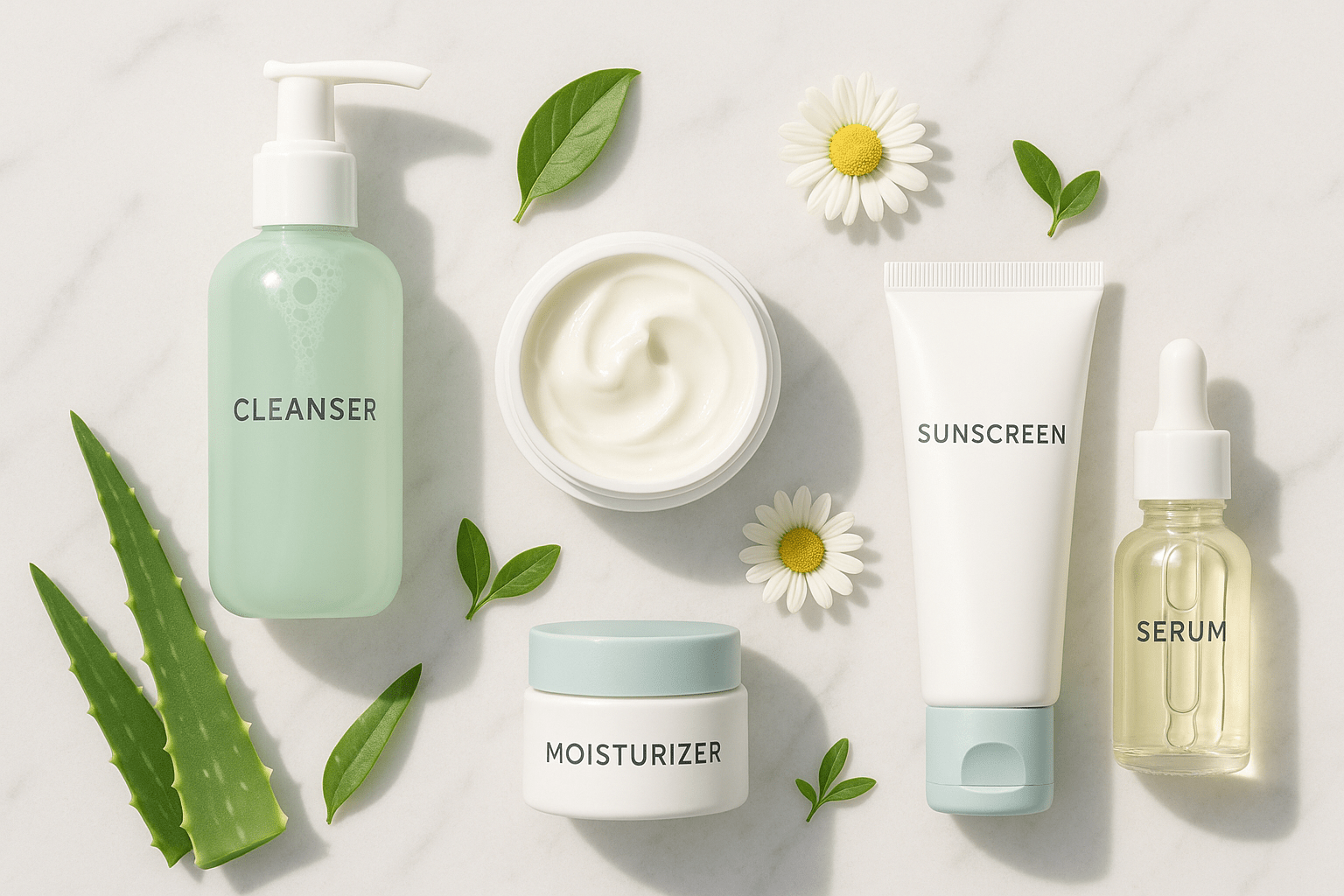
A good rosacea skincare routine is built on restraint, not on more products. Cleanse gently with lukewarm water, use a fragrance-free moisturiser that repairs the barrier, wear mineral sunscreen every day, and cut out the things that trigger flushing. Rosacea is a long-term medical condition rather than a skincare problem, so pair a calm routine with a GP or dermatologist for diagnosis and any prescription treatment.
In this article: what rosacea is, common UK triggers, the golden rules of a rosacea routine, ingredients to use and avoid, a simple daily plan, and an FAQ.
A quick note: this article covers general skincare for skin prone to redness. It is not medical advice and cannot diagnose you. Rosacea is often confused with acne, eczema and simple sensitivity, and the right treatment depends on which you actually have, so please speak to a GP or dermatologist.
What is rosacea?
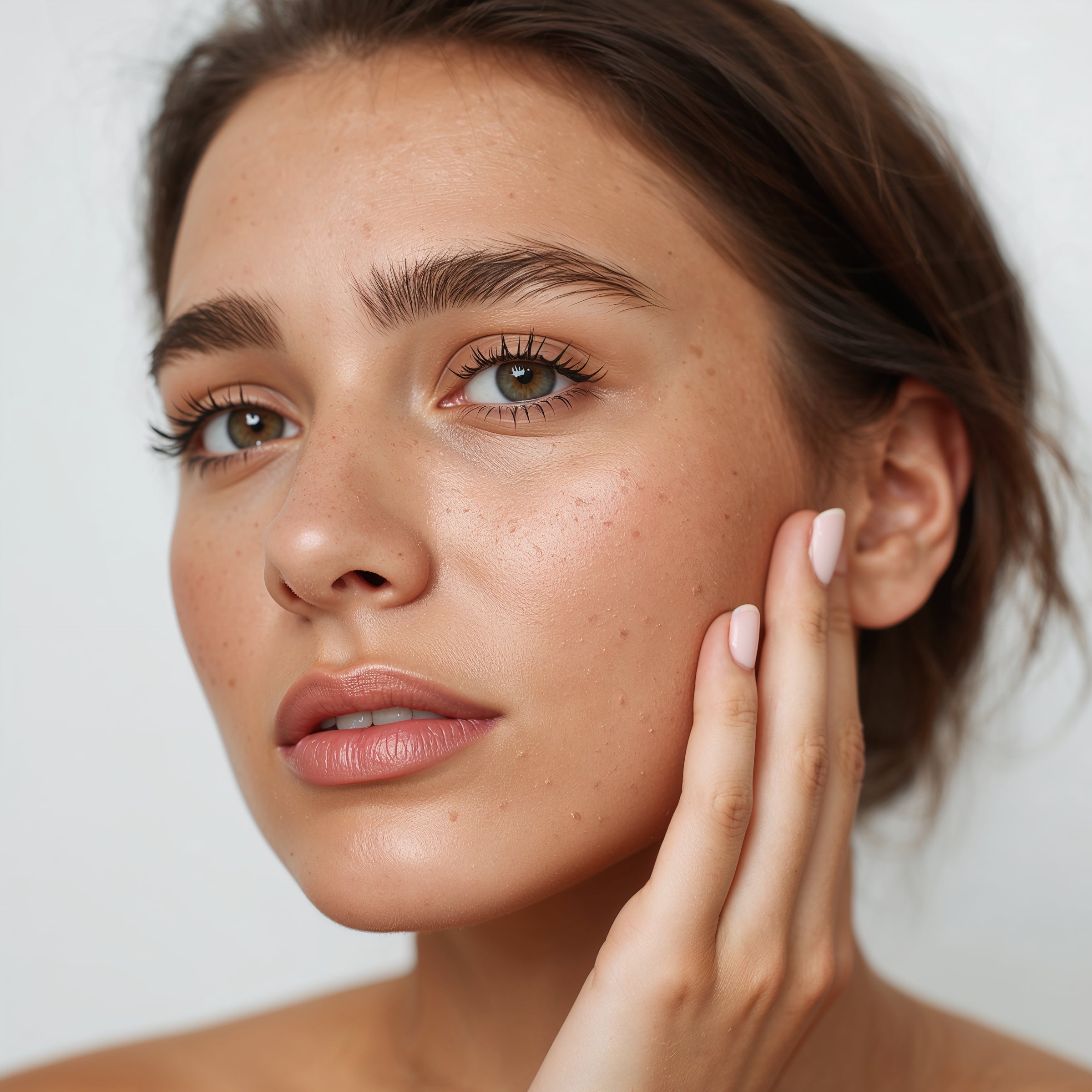
Rosacea is a chronic inflammatory skin condition that mainly affects the central face: cheeks, nose, chin and forehead. It typically begins as flushing that comes and goes, then becomes more persistent redness. Some people develop visible small blood vessels, and some develop bumps and pustules that look like acne but are not. It usually appears after the age of 30 and it is notably common in fair-skinned people of northern European ancestry, which is one reason it is so frequently seen across the UK and Ireland.
It cannot be cured, but it can be controlled well. Most people who manage it successfully do so through a combination of identifying triggers, keeping their routine simple, and using prescription treatment when needed.
What triggers rosacea flare-ups?
Triggers are highly individual, but the common ones are consistent enough to be worth testing against your own experience.
| Trigger | Why it flares | Practical fix |
|---|---|---|
| Sun exposure | The most commonly reported trigger of all | Daily mineral SPF, hat, shade |
| Temperature swings | Cold wind then a heated room causes flushing | Scarf outdoors, avoid sitting by radiators |
| Hot drinks | Heat, more than caffeine, drives the flush | Let tea and coffee cool slightly |
| Alcohol | Dilates blood vessels, red wine especially | Reduce or identify your specific trigger |
| Spicy food | Triggers the same flushing response | Note which dishes affect you |
| Stress | A very commonly reported flare trigger | Worth tracking alongside the rest |
| Harsh skincare | Fragrance, alcohol and scrubs inflame further | Simplify to gentle, fragrance-free products |
Keeping a short diary for a few weeks is genuinely useful here. Most people find two or three reliable triggers rather than a long list, and knowing yours is more valuable than any product.
The golden rules of a rosacea routine
If you take nothing else from this article, take these four.
- Fewer products, not more. Every additional active is another chance to irritate. A cleanser, a moisturiser and a sunscreen is a complete routine.
- Fragrance-free, always. Fragrance, including natural essential oils, is among the most common irritants for reactive skin.
- Lukewarm water only. Hot water triggers flushing directly, and it strips the barrier that is already struggling.
- Patch test everything. Try any new product on a small area for a few days before putting it on your whole face.

Step 1 · Cleanse gently
Sensitive Skin Oil-To-Milk Cleanser
A non-foaming cleanser that lifts the day away without the stripped, tight feeling that leaves redness-prone skin more reactive.
View product →Which ingredients help, and which should you avoid?
Redness-prone skin does best with barrier support and calming ingredients, and badly with anything stimulating or abrasive.
| Generally helpful | Best avoided |
|---|---|
| Niacinamide, for barrier support and redness | Fragrance and essential oils |
| Centella (CICA), for soothing | Denatured alcohol |
| Glycerin and hyaluronic acid, for hydration | Physical scrubs and cleansing brushes |
| Ceramides and plant lipids, to rebuild the barrier | High-strength acids and strong retinoids |
| Mineral sunscreen (zinc oxide, titanium dioxide) | Menthol, camphor, witch hazel, peppermint |
Mineral sunscreen deserves a special mention. Many people with rosacea find mineral filters more comfortable than chemical ones, because they sit on the surface rather than converting UV to heat. Since sun is the most frequently reported trigger, daily SPF is arguably the single most valuable habit you can build.

Step 3 · Protect daily
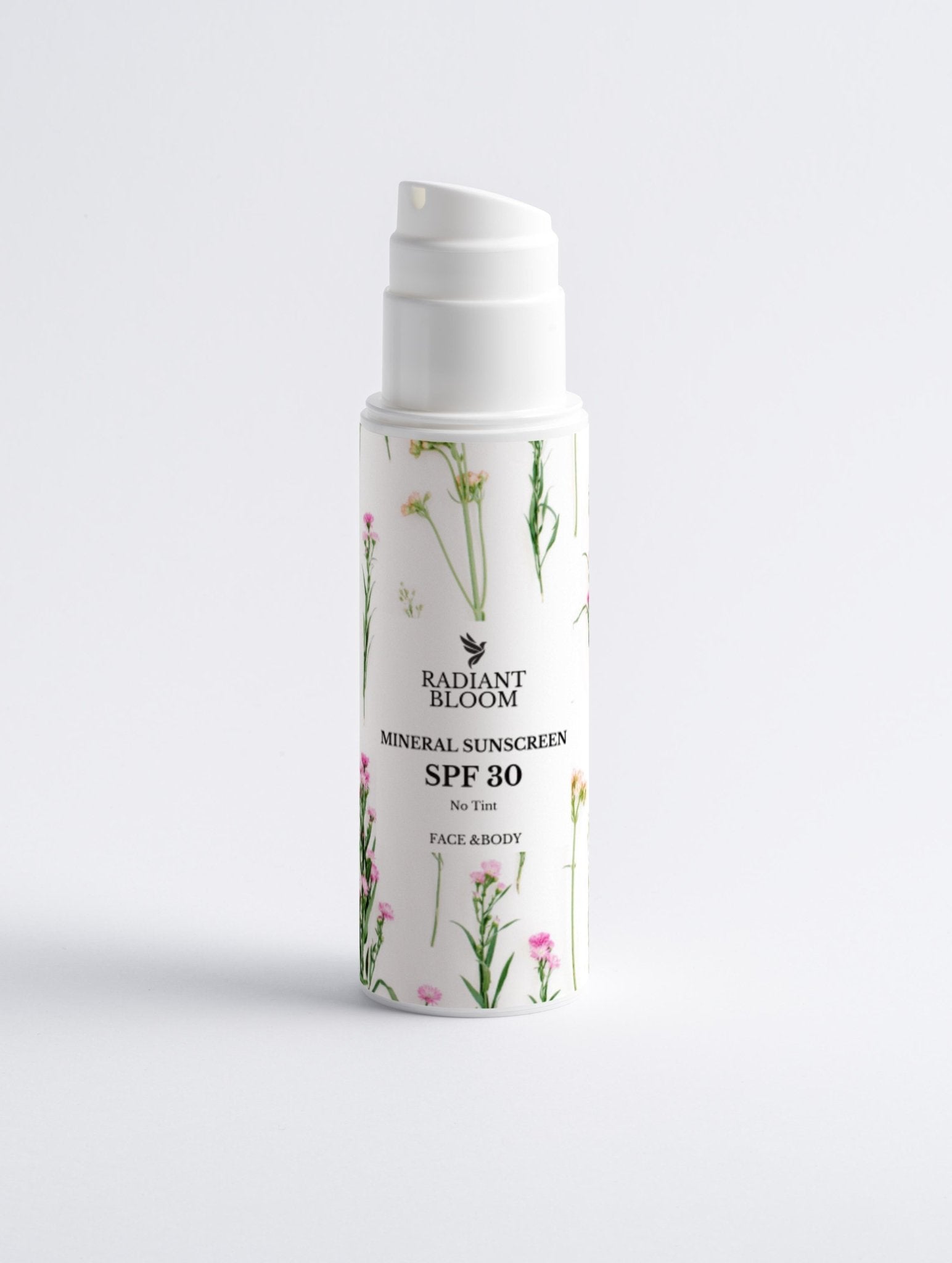
Mineral Sunscreen SPF30
A mineral filter for skin that reacts easily. Sun is the most commonly reported rosacea trigger, so this is the step to be strictest about, all year round.
View product →A simple daily routine for redness-prone skin
Morning: rinse with lukewarm water or use a gentle cleanser, apply a fragrance-free moisturiser to damp skin, then mineral sunscreen. That is it.
Evening: cleanse gently to remove sunscreen and the day, then moisturise. If you have been prescribed a treatment, apply it as directed, usually before your moisturiser.
Notice what is missing: no toner, no scrub, no acids, no layering of five serums. Rosacea-prone skin almost always improves when the routine gets shorter. If you want to add something, add it one product at a time and give it two weeks before deciding.

Step 2 · Repair the barrier
Sensitive Skin Moisturiser
Fragrance-free and organic, with a short ingredient list. A compromised barrier makes redness worse, so rebuilding it is the foundation of the whole routine.
View product →When should you see a doctor?
Book an appointment if redness is persistent rather than occasional, if you develop bumps or pustules, or if your eyes feel gritty, dry or irritated, which can indicate ocular rosacea and should be checked promptly. A GP can confirm the diagnosis and prescribe topical or oral treatments that work considerably better than skincare alone. Skincare supports those treatments, it does not replace them.
Frequently asked questions
Can rosacea be cured?
No, it is a long-term condition, but it can be controlled well. Most people manage it successfully by avoiding their triggers, keeping skincare gentle and simple, and using prescription treatment when needed.
What is the best skincare routine for rosacea?
A short one: a gentle fragrance-free cleanser, a barrier-repairing moisturiser and a daily mineral sunscreen. Adding more actives usually makes redness worse rather than better.
Is rosacea the same as acne?
No, though they can look similar when rosacea causes bumps. Acne treatments are often too drying for rosacea and can worsen it, which is why getting the right diagnosis matters.
Does sunscreen help rosacea?
Yes, significantly. Sun exposure is the most commonly reported trigger, so daily broad-spectrum SPF is one of the most effective habits. Many people find mineral formulas the most comfortable.
Should I use exfoliating acids if I have rosacea?
Generally no, or only with medical guidance. Strong acids and scrubs tend to inflame rosacea-prone skin and damage an already fragile barrier.
· · ·