Einkaufswagen
0
Sulphates are the detergents that make shampoo foam, and the two you will see most often are sodium lauryl sulphate (SLS) and sodium laureth sulphate (SLES). They are effective cleansers, which is precisely the problem for some people: they can strip colour, natural oils and moisture along with the dirt. That does not make them villains for everyone. If your hair is uncoloured, oily and healthy, sulphates may suit you perfectly well. But if your hair is coloured, dry, frizzy, chemically treated, or your scalp is easily irritated, a sulphate-free formula usually behaves noticeably better. This guide explains what sulphates actually do, who genuinely benefits from avoiding them, what replaces them in a vegan formula, and what to expect during the switch.
In this article
- What are sulphates, and what do they do?
- Who should choose sulphate-free?
- What replaces sulphates in a vegan shampoo?
- What to expect when you switch
- Frequently asked questions
What are sulphates, and what do they do?
Sulphates are surfactants: molecules with a water-loving end and an oil-loving end, which is how they grab grease and let water rinse it away. SLS and SLES do this job very efficiently and cheaply, and they produce the thick lather most people associate with cleanliness. The catch is that they are not selective. Alongside dirt and product buildup they can also lift away the natural sebum that keeps hair supple, and they can open the cuticle enough to let colour molecules escape. On a resilient scalp with uncoloured hair, that is often no issue at all. On dry, dyed or sensitised hair, it compounds week after week into dullness, frizz and faster fade.
Worth knowing: lather is not a measure of cleaning power. Sulphate-free formulas foam more softly, which many people initially mistake for the shampoo not working. It is doing the job, just without the theatrics.
Who should choose sulphate-free?
| Your hair | Sulphate-free? | Why |
|---|---|---|
| Coloured, highlighted or balayaged | Strongly recommended | Sulphates accelerate colour fade |
| Dry, brittle or frizzy | Recommended | Preserves the oils dry hair cannot spare |
| Keratin or chemically treated | Strongly recommended | Helps treatments last longer |
| Sensitive or itchy scalp | Recommended | SLS is a known irritant for some people |
| Curly or wavy | Usually preferred | Curls are drier by nature along the length |
| Oily, uncoloured, no scalp issues | Optional | You may genuinely not need to switch |
What replaces sulphates in a vegan shampoo?
Gentler surfactants, most of them coconut or sugar derived. On an ingredient list you will see names such as coco-glucoside, decyl glucoside, cocamidopropyl betaine, sodium cocoyl isethionate and lauryl glucoside. They cleanse effectively with a softer lather and far less stripping. A well-built sulphate-free formula usually pairs these with conditioning agents that do the repair work: plant proteins to seal the cuticle, aloe for moisture, betaine for body. Note that sulphate-free and silicone-free are separate claims, and many people avoiding sulphates want to avoid silicone buildup too, so it is worth checking both.
Our entire hair range is built this way: every shampoo below is sulphate-free and silicone-free, cleansing with coconut-derived surfactants rather than SLS or SLES.

Sulphate-free, for coloured hair
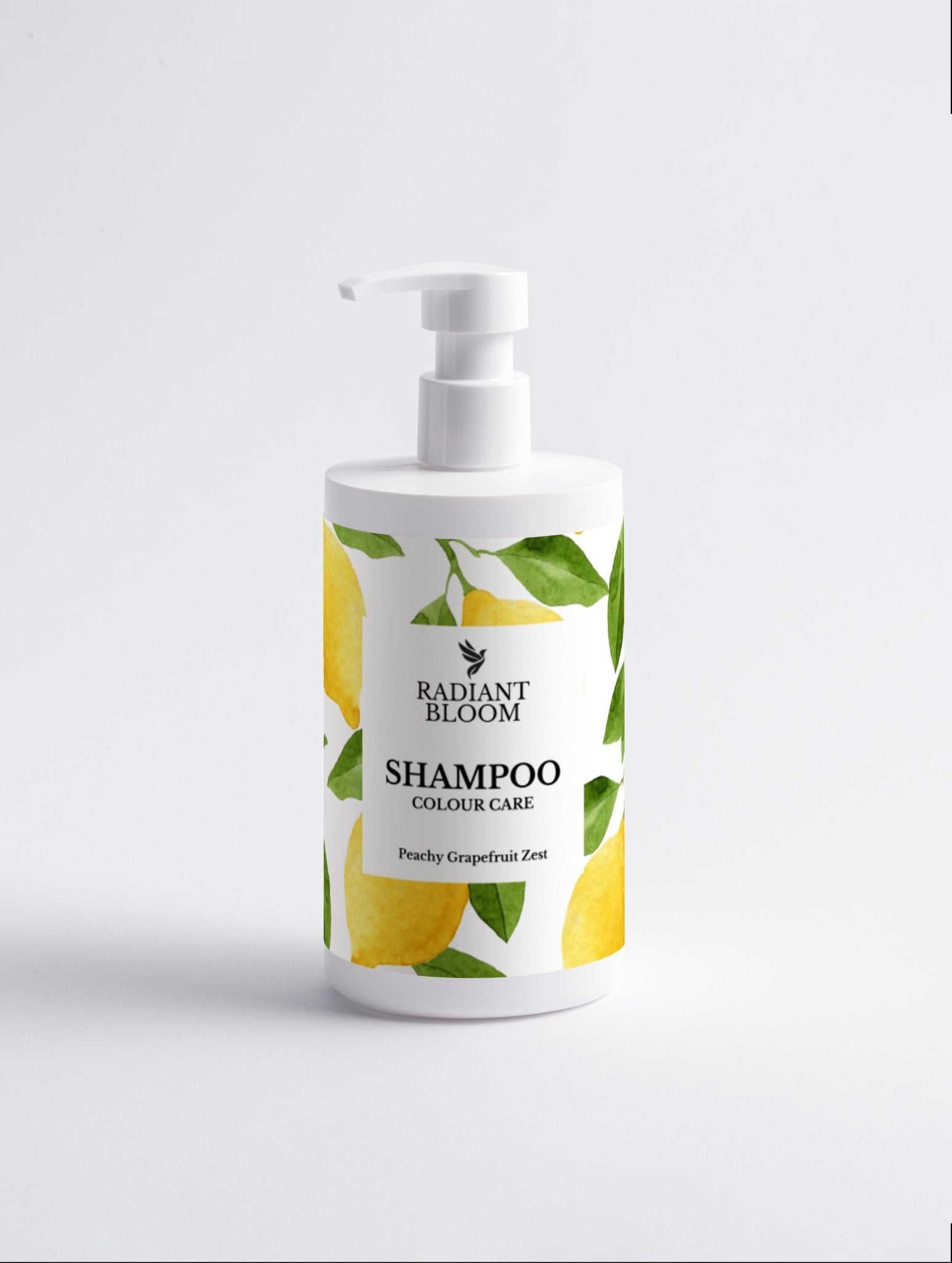
Colour Care ShampooCoconut-derived cleansers and hydrolysed wheat protein seal the cuticle to keep salon colour vivid for longer.
€24.99Shop Now →

Sulphate-free, for scalps that react
Sensitive Scalp ShampooA calm, sulphate-free vegan wash for scalps that itch, flake or tighten after conventional shampoo.
€24.99Shop Now →

Sulphate-free, for fine and flat hair
Keratin Volume Boost ShampooPlant keratin thickens the look of each strand while sulphate-free cleansers keep roots lifted, not stripped.
€24.99Shop Now →
What to expect when you switch
- Clarify once first. If you have been using silicone-heavy products, one deep-cleansing wash clears the buildup so the new formula can reach your hair.
- Expect a softer lather. Less foam is normal and not a sign of poor cleansing. You may want a second, shorter lather for the first few washes.
- Give it two to four washes. Hair often passes through a brief adjustment as residues clear and your scalp rebalances its oil production.
- Do not skip conditioner. Sulphate-free shampoo cleanses gently, but the softness still comes from conditioner, as our vegan conditioner guide explains.
- Judge at week three. Colour retention, frizz and scalp comfort are the things to watch, and they show up over weeks rather than after one wash.
For matching a formula to your specific hair type, see our vegan hair care guide, and if dryness is your main concern, the dry hair guide separates scalp dryness from dry lengths.
Frequently asked questions
Are sulphates bad for your hair?
Not universally. They are efficient cleansers that suit resilient, uncoloured, oily hair perfectly well. They become a problem for coloured, dry, curly, chemically treated or sensitive-scalp hair, where the stripping effect compounds over time.
Is sulphate-free shampoo better for coloured hair?
Generally yes. Sulphates open the cuticle and accelerate the escape of colour molecules, so a sulphate-free formula is one of the simplest ways to extend the life of salon colour between appointments.
Why does sulphate-free shampoo not lather much?
Because lather comes from the surfactant type, not the cleaning power. Coconut and sugar derived cleansers foam more softly by nature. Your hair is still being cleaned properly.
Is sulphate-free the same as vegan or natural?
No, they are three separate claims. Sulphate-free describes the cleansing agents, vegan describes the absence of animal ingredients, and natural is an unregulated marketing term. Check each independently, as our label guide explains.
Can I use sulphate-free shampoo every day?
Yes. Gentler cleansers are well suited to frequent washing, which is one of their main advantages for people who wash several times a week.
Gentle cleansing, vivid colour
Sulphate-free, silicone-free vegan haircare made in small batches in the Baltics.
Shop Vegan Hair Care →Free worldwide shipping on orders over €45. Vegan, cruelty-free and organic.