Einkaufswagen
0
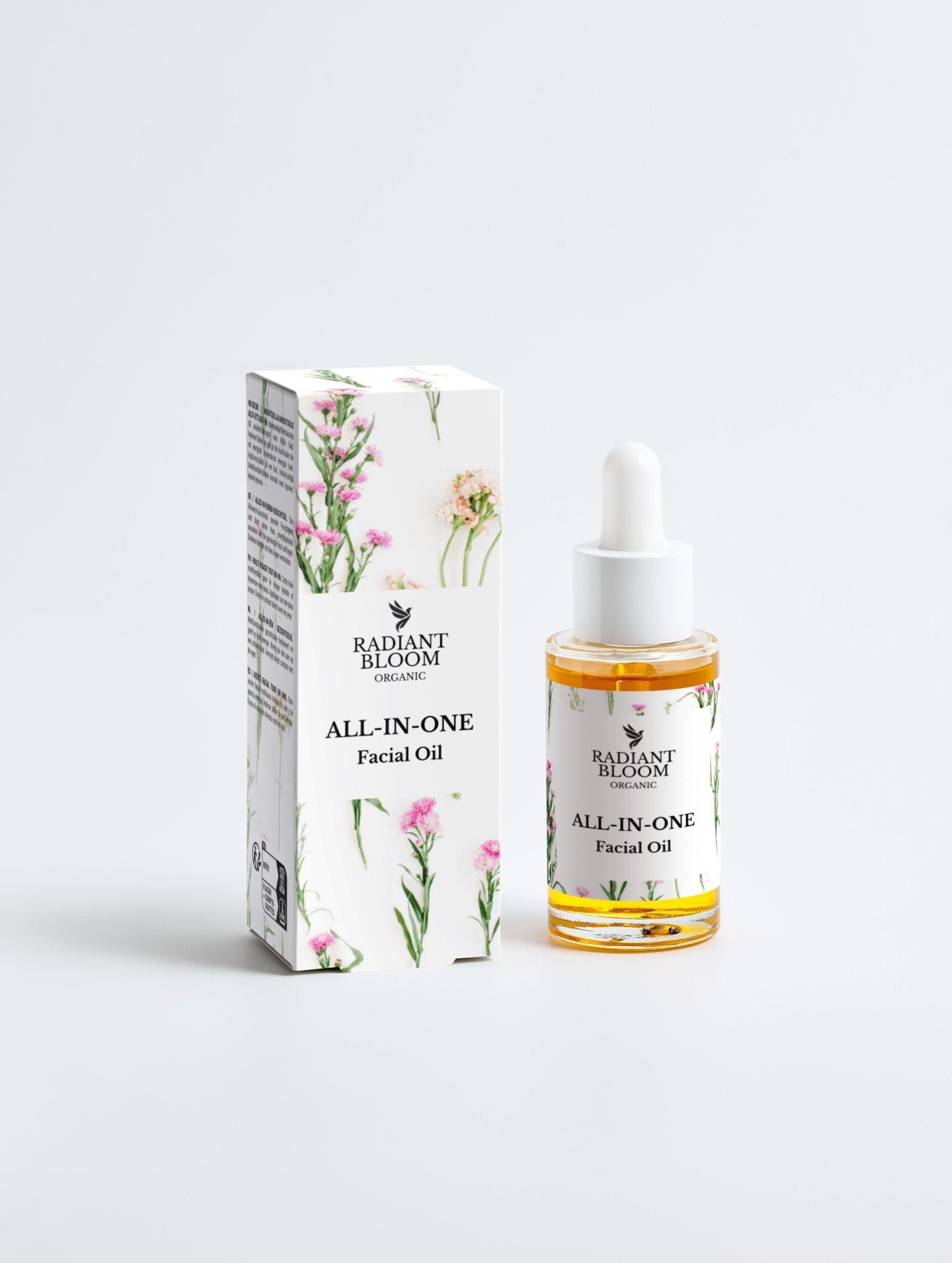
A vegan face oil is a facial oil made entirely from plant sources, with no animal-derived additives. Since base oils are pressed from seeds, nuts and fruit, most face oils are naturally vegan, but not all: some blends sneak in beeswax as a thickener, lanolin derivatives for slip, or squalene taken from shark liver. Once you have confirmed an oil is genuinely plant based, the bigger question is which one suits your skin, and the answer comes down to comedogenic ratings: a 0 to 5 scale estimating how likely an oil is to clog pores. This guide explains how to read that scale, which vegan face oil fits each skin type, and how to layer it into your routine so it locks in moisture instead of sitting on top of dry skin.
In this article
- What is a vegan face oil?
- Which plant oil suits your skin type?
- How do you use a face oil in your routine?
- Does a face oil replace moisturiser?
- Frequently asked questions
What is a vegan face oil?
A face oil qualifies as vegan when every ingredient, including the minor ones, comes from plants or minerals. The three things worth checking on the label are:
- Squalane sourcing. Squalane is one of the best skin-mimicking oils there is, but its precursor squalene was historically harvested from shark liver. Reputable vegan formulas state that their squalane is derived from olives or sugarcane.
- No beeswax or lanolin. Some balm-like oils use cera alba (beeswax) for texture or lanolin for slip. Neither is vegan.
- Vitamin E source. Tocopherol in quality formulas comes from plant oils such as sunflower.
A fun fact that surprises many people: jojoba oil is technically not an oil at all but a liquid wax ester, which is remarkably close to your skin's own sebum. That is why it absorbs so well and rarely feels greasy.
Which plant oil suits your skin type?
The comedogenic scale runs from 0 (very unlikely to clog pores) to 5 (very likely). It is a useful guide, not a guarantee, because concentration and the rest of the formula matter too. Here is where the most common vegan face oils sit:
| Plant oil | Comedogenic rating (0 to 5) | Best for |
|---|---|---|
| Argan | 0 | All skin types, especially mature skin |
| Squalane (olive or sugarcane) | 0 to 1 | All skin types, including oily |
| Rosehip | 1 | Uneven tone and first signs of ageing |
| Grapeseed | 1 | Oily and combination skin |
| Jojoba | 2 | Balancing, blemish-prone skin |
| Sweet almond | 2 | Dry, sensitive skin |
| Marula | 3 to 4 | Very dry skin |
| Coconut | 4 | Body rather than face if you are congestion-prone |
If your skin is blemish-prone, favour the 0 to 1 end of the table and patch test on your jawline for a few nights before applying an oil to your whole face. Our post on vegan skincare for acne-prone skin goes deeper into congestion-safe choices.
How do you use a face oil in your vegan routine?
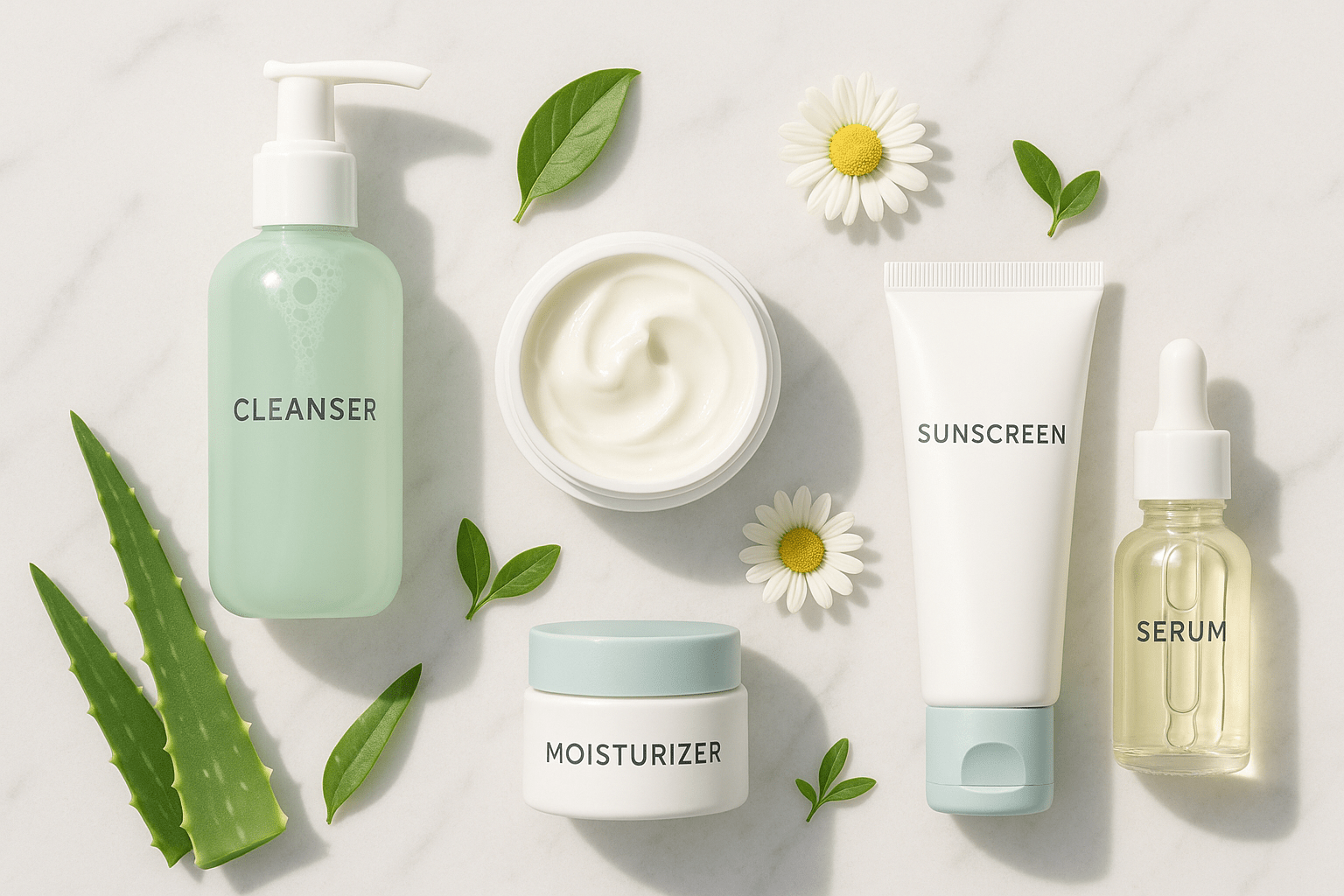
Oils are occlusive, meaning they seal in what is underneath them. That gives you one golden rule: face oil goes last, on top of water-based layers.
- Cleanse and, if you use one, apply toner while skin is still slightly damp.
- Apply your serum, since water-based actives need direct skin contact.
- Moisturise with your usual cream.
- Press in 2 to 4 drops of oil as the final evening step. Warm the drops between your palms and press rather than rub.
- In the morning, either skip the oil or mix a single drop into your day cream for a subtle glow under sunscreen.
A well-blended multi-oil formula saves you from buying five single oils and figuring out ratios yourself:

For glow and balance
All-In-One Facial OilA lightweight organic vegan face oil that leaves normal and combination skin glowing, not greasy.
€26.99Shop Now →

For dry and mature skin
Nourishing Facial OilAn enriching blend of 11 organic plant oils for skin that needs deep overnight nourishment.
€24.99Shop Now →
Does a face oil replace moisturiser?
No, and understanding why makes your whole routine work better. Moisturisers contain humectants, ingredients like glycerin and hyaluronic acid that pull water into the skin. Oils contain almost no water at all; their job is to seal that water in and smooth the skin surface. Put simply: moisturiser hydrates, oil locks the hydration in. Skin that is flaky yet breaks out often needs both, applied in that order. If dryness is your main struggle, our guide to vegan moisturisers for dry skin pairs well with this one.
Frequently asked questions
Can oily or acne-prone skin use a face oil?
Yes, if you choose low comedogenic oils such as squalane, grapeseed or jojoba and use only 1 to 2 drops at night. Some people find lightweight oils actually help balance an overproduction of sebum.
Is squalane vegan?
It can be. Squalane made from olives or sugarcane is fully vegan, while older sources used shark liver squalene. If the label does not name a plant source, ask the brand before buying.
Do I apply face oil before or after moisturiser?
After. Oil is occlusive and will block water-based products from absorbing if it goes on first. The only exception is mixing a drop directly into your cream.
Will a face oil clog my pores?
It depends on the oil. Stick to the 0 to 2 range of the comedogenic scale for facial use, patch test for a few nights, and keep richer oils like coconut for the body.
Can I use a face oil every day?
Yes. Most people do best with 2 to 4 drops every evening, adding a morning drop mixed into day cream during colder months when skin loses more water.
Find your perfect plant oil
Explore our vegan serums and facial oils, cold-pressed from organic botanicals and blended in small batches.
Shop Serums & Oils →Free worldwide shipping on orders over €45. Vegan, cruelty-free and organic.