Einkaufswagen
0
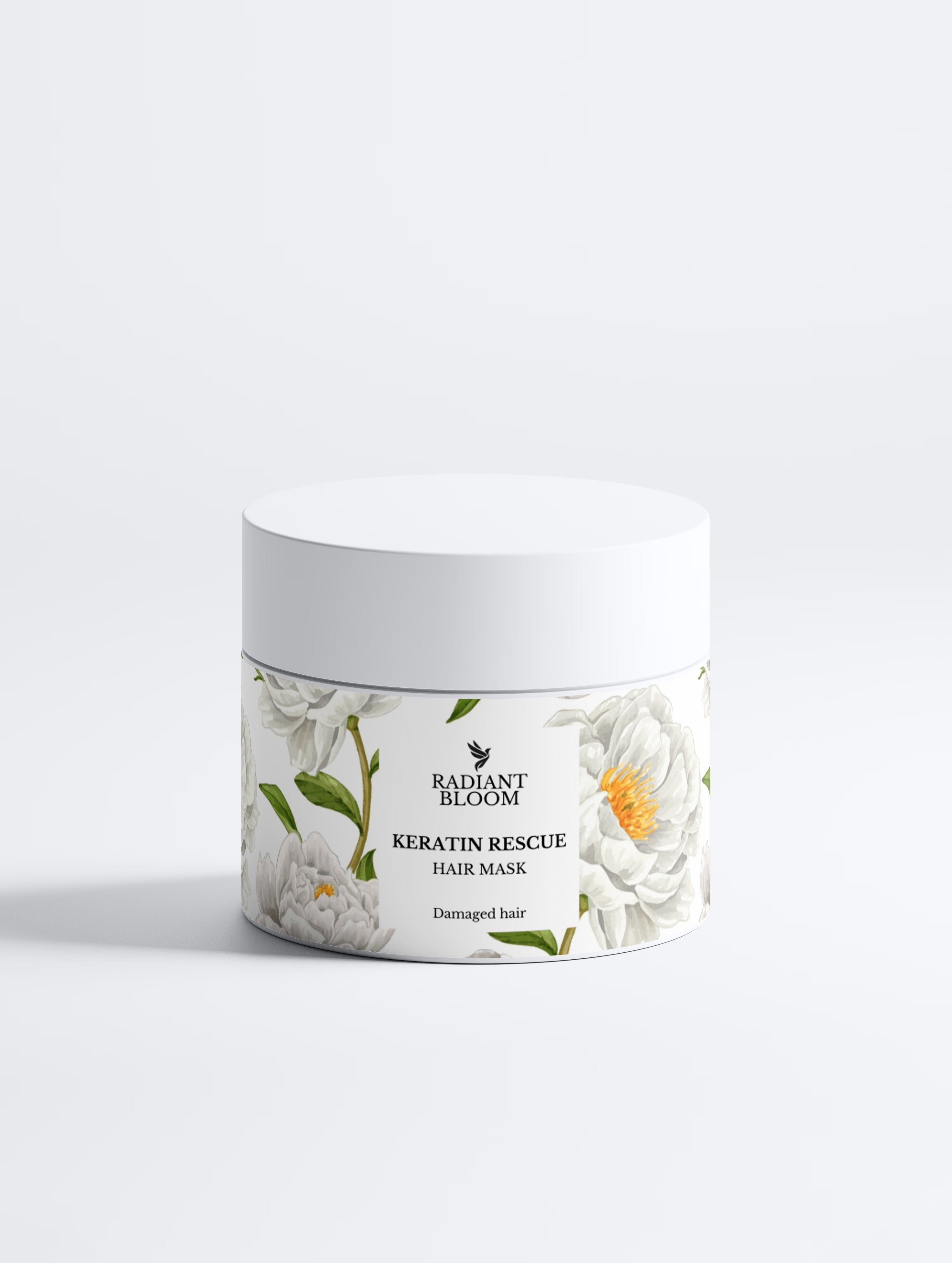
A vegan hair mask is an intensive weekly treatment that repairs, strengthens or deeply moisturises hair without any animal-derived ingredients, and this is the hair product where the vegan check matters most. Traditional deep treatments are built on exactly what vegans avoid: keratin from hooves and feathers, silk proteins, honey, egg, milk and lanolin. The key to choosing well is understanding that hair masks fall into two camps that solve opposite problems: protein masks rebuild strength, and moisture masks restore softness and flexibility. Using the wrong one, or overusing either, can leave hair worse, not better. This guide explains the vegan label check, the crucial difference between protein and moisture masks, how to tell which your hair needs, and exactly how to use one.
In this article
- What makes a hair mask vegan?
- Protein or moisture: which mask does your hair need?
- How do you use a hair mask properly?
- Frequently asked questions
What makes a hair mask vegan?
Deep treatments concentrate active ingredients, which is exactly why animal derivatives show up here so often. Scan for:
- Keratin: from hooves, horns and feathers unless a plant source is named.
- Silk protein and silk amino acids: from silkworm cocoons.
- Egg, honey and milk proteins: traditional deep-conditioning ingredients.
- Lanolin: wool wax used for richness in intensive masks.
Vegan masks rebuild and moisturise with hydrolysed plant proteins, plant butters and botanical oils instead. For the wider label method and what vegan keratin really means, see our vegan hair care guide.
Protein or moisture: which mask does your hair need?
This is the decision that makes or breaks results. Hair needs a balance of protein (strength) and moisture (flexibility), and masks lean one way or the other:
| Mask type | Signs your hair needs it | Key vegan ingredients |
|---|---|---|
| Protein or strengthening | Limp, stretchy when wet, over-processed, heat-damaged | Plant keratin, hydrolysed wheat or soy protein |
| Moisture or hydrating | Dry, brittle, frizzy, rough to the touch | Shea butter, plant oils, glycerin, aloe |
| Balanced or repair | General maintenance, mild damage, split ends | A blend of light plant protein and plant oils |
A quick home test: gently stretch a wet strand. If it stretches far and stays limp, it needs protein. If it snaps quickly with no stretch, it needs moisture. Most people alternate depending on the season and their styling.

Protein: for weak, damaged hair
Keratin Intensive Rescue MaskPlant keratin rebuilds strength in over-processed, heat-damaged lengths, the vegan answer to a protein treatment.
€29.99Shop Now →

Everyday repair for split ends
Split-End Rescue MaskA lighter citrus vegan treatment that smooths and helps seal the appearance of split ends between deep masks.
€24.99Shop Now →
For deep moisture on very dry lengths, a few drops of our Nourishing Facial Oil smoothed through ends works as an overnight treatment, and a weekly scalp scrub keeps the roots healthy while you treat the lengths.
How do you use a hair mask properly?
- Apply to clean, towel-dried hair. Mask on soaking-wet hair is diluted; mask on dirty hair cannot penetrate. Shampoo first, squeeze out water, then apply.
- Mid-lengths to ends, never the scalp. Masks are for the hair that is old and damaged, not the roots.
- Leave it the stated time. Usually five to ten minutes. Longer rarely helps, and with protein masks it can make hair feel stiff.
- Skip the heat cap myths. Gentle warmth from a towel is enough; you do not need to leave a mask on for hours or overnight.
- Once a week is the sweet spot. Twice for very damaged hair. Over-masking, especially with protein, is a real and common mistake.
Where a mask fits in the full wash-day order is covered in our vegan conditioner guide.
Frequently asked questions
Is a hair mask the same as a deep conditioner?
Essentially yes. Both are intensive, longer-contact treatments. Masks tend to be slightly richer or more targeted, but the terms are used interchangeably across the industry.
How do I know if my hair needs protein or moisture?
Do the wet-stretch test: hair that stretches and stays limp needs protein; hair that snaps with no give needs moisture. Getting this right matters more than the brand you choose.
Can I use a hair mask instead of conditioner every time?
Not ideally. Daily use of a rich mask, especially a protein one, can overload hair and make it feel stiff or heavy. Use a light conditioner for regular washes and a mask weekly.
Is egg or mayonnaise a good DIY hair mask?
They are not vegan, and they are also messy and inconsistent. Plant-based masks with hydrolysed proteins and oils deliver the intended benefits reliably without the animal ingredients or the smell.
Should I use a hair mask on my scalp?
No. Masks are formulated for the lengths and ends. On the scalp they can weigh hair down and leave it greasy. Treat the scalp with a dedicated scrub or scalp product instead.
Deep repair, no animal ingredients
Protein and moisture masks powered by plants, all vegan and cruelty-free.
Shop Vegan Hair Masks →Free worldwide shipping on orders over €45. Vegan, cruelty-free and organic.