Einkaufswagen
0
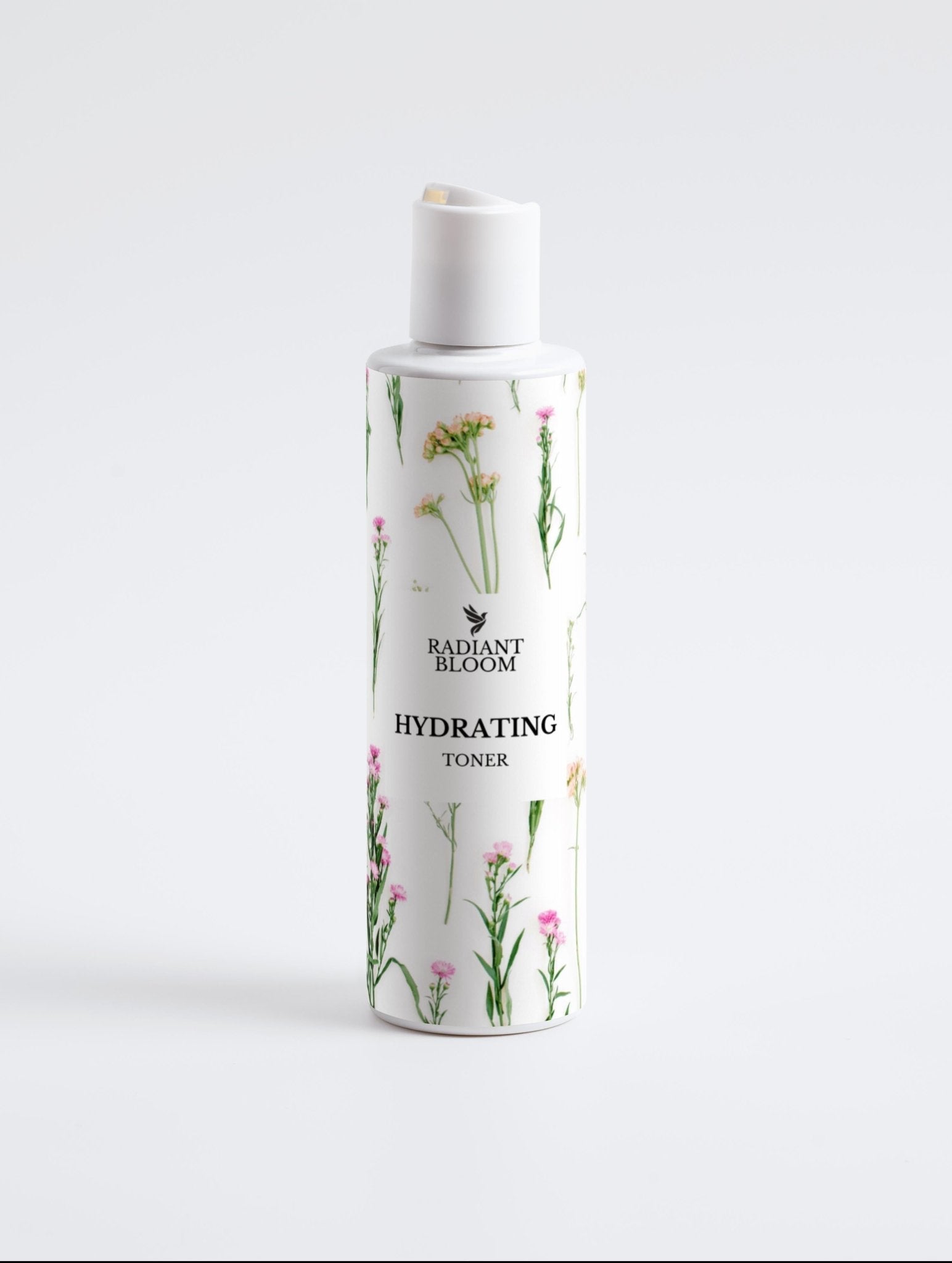
A vegan toner is a water-based step applied after cleansing that rebalances, hydrates or gently exfoliates the skin, made entirely without animal-derived ingredients. Toner is technically optional, but it is the cheapest way to upgrade a basic routine: dry and sensitive skin gets an extra layer of hydration, oily and combination skin gets rebalanced after cleansing, and everyone's serums absorb better on toned skin. The vegan check matters here too, because honey waters, milk-based softening toners and animal-derived glycerin are all common in this category. This guide explains whether you actually need a toner, which of the three toner types suits your skin, and how to use one properly.
In this article
- Do you actually need a toner?
- What makes a toner vegan?
- Which toner type suits your skin?
- How do you use a toner correctly?
- Frequently asked questions
Do you actually need a toner?
Honest answer: no product is mandatory except cleanser, moisturiser and sunscreen, and our complete vegan routine guide explains that hierarchy. But toner earns its optional slot more often than people expect. After cleansing, skin sits slightly dehydrated and its surface chemistry is temporarily disrupted. A toner restores water immediately, softens the skin so the next products spread and absorb better, and, in its exfoliating form, keeps texture smooth without a separate scrub. If your routine already feels complete, skip it guilt-free. If your skin feels tight after washing or your serum seems to sit on top rather than sink in, a toner is the likely missing link.
What makes a toner vegan?
Toners look innocent, being mostly water, but scan for these before buying:
- Honey and propolis waters: bee-derived, common in soothing toners.
- Milk proteins and lactose: the base of many softening lotions, especially in Asian beauty.
- Snail mucin: increasingly added to hydrating toners for slip and glow.
- Animal-derived glycerin: indistinguishable on the label from vegetable glycerin, so only a vegan claim settles it.
- Carmine: the insect-derived pink tint in some rose-themed waters.
Good news: the classic toner heroes, rose flower water, witch hazel, aloe, chamomile and fruit acids, are all plants. For the complete method of verifying any product, our vegan vs cruelty-free guide covers the 30-second label check.
Which toner type suits your skin?
Toners come in three working styles. Choose by what your skin lacks:
| Toner type | What it does | Best for | How often |
|---|---|---|---|
| Hydrating | Adds water and soothes | Dry, sensitive, dehydrated skin | Morning and evening |
| Balancing or purifying | Rebalances and refreshes | Oily and combination skin | Morning and evening |
| Exfoliating | Dissolves dead surface cells | Dull, rough, congested skin | One to three evenings a week |

Hydrating, for dry and sensitive skin
Hydrating Toner with Rose WaterA rose flower water toner that instantly relieves post-cleanse tightness and preps skin for serum.
€19.99Shop Now →

Balancing, for oily and combination skin
Purifying TonerA generous 200ml vegan toner that refreshes shiny zones and keeps combination skin balanced.
€19.99Shop Now →

Exfoliating, for dull or congested skin
Glycolic Acid Liquid ExfoliatorA sugarcane-derived acid toner used a few evenings a week for smoother, brighter skin.
€19.99Shop Now →
How do you use a toner correctly?
- Apply straight after cleansing, while skin is still slightly damp. Our vegan face wash guide covers the step before this one.
- Press it in with clean hands rather than wiping with a cotton pad. Hands waste less product and skip the friction.
- Follow with serum and moisturiser within a minute, sealing the water in before it evaporates.
- Keep exfoliating toners for evenings and never use them the same night as other strong actives.
- Twice daily for hydrating and balancing toners is ideal; exfoliating versions stay at one to three nights a week.
Frequently asked questions
Is toner the same as micellar water?
No. Micellar water is a cleanser that removes makeup and oil; toner is a treatment applied after cleansing. Using micellar water as a toner leaves cleansing agents sitting on the skin.
Is rose water vegan?
Yes, pure rose flower water is distilled from petals and fully plant based. The caution is tinted rose products, where the pink can come from carmine, an insect-derived pigment.
Should a toner sting?
No. A brief tingle from an exfoliating acid toner is normal, but stinging from a hydrating toner means the formula, often its alcohol content, is wrong for your skin.
Can sensitive skin use a toner?
Yes, choose an alcohol-free hydrating formula with soothing botanicals and skip exfoliating versions until your skin is calm. Our sensitive skin guide maps the full gentle routine.
Morning, evening or both?
Hydrating and balancing toners work morning and evening. If you only pick one moment, choose the evening, when skin has a full night to make use of the extra hydration.
The five-second step that upgrades everything
Hydrating and balancing vegan toners, made with organic botanicals in small batches.
Shop Vegan Toners →Free worldwide shipping on orders over €45. Vegan, cruelty-free and organic.