Cart
0
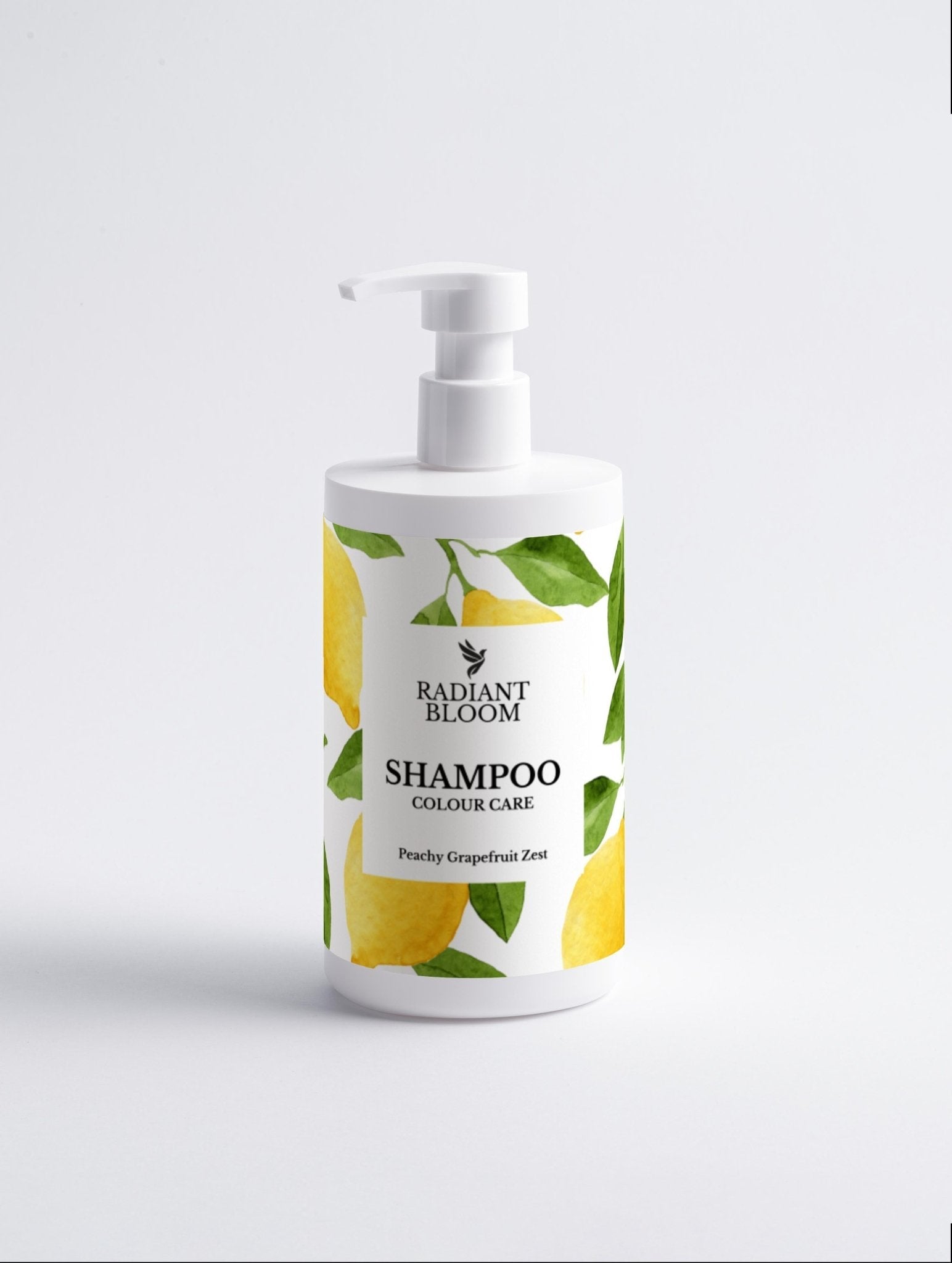
An environmentally safe shampoo is one whose entire life leaves a light footprint: readily biodegradable cleansers instead of harsh sulphates, no silicones or microplastics that persist in waterways, plant ingredients from responsible farming, and packaging that does not outlive your grandchildren. "Eco-friendly" on a label is unregulated, so the checklist below is what actually separates a genuinely green shampoo from a green-coloured one.
In this article
- What actually makes a shampoo environmentally safe?
- Which shampoo ingredients harm waterways?
- Does eco-friendly mean worse for your hair?
- The 60-second label check before you buy
- FAQ
What actually makes a shampoo environmentally safe?
Everything you wash out of your hair goes down the drain, and water treatment does not remove all of it. That makes shampoo one of the highest-volume products your household sends into the water cycle, which is why the environmental bar has four parts:
- Biodegradable surfactants. The cleansing agents should break down quickly in water. Plant-derived, sulphate-free cleansers generally do; harsh petrochemical surfactants linger longer.
- No persistent film-formers. Silicones and synthetic polymers do their smoothing job, then persist in waterways for years.
- Responsibly farmed ingredients. Organic farming means no synthetic pesticide runoff at the source, which is where a shampoo's footprint actually begins, the same audited standard we explain in our ECOCERT and COSMOS guide.
- Sane packaging. Recyclable or recycled bottles, and concentrated formats that ship less water around the planet.
Which shampoo ingredients harm waterways?
| Ingredient | The problem | Greener swap |
|---|---|---|
| Harsh sulphates (SLS/SLES) | Aggressive on scalp and aquatic life alike | Gentle plant-derived cleansers |
| Silicones (dimethicone family) | Persist in water, build up on hair | Plant oils and butters |
| Microplastics and liquid polymers | Do not biodegrade, enter the food chain | Naturally derived thickeners |
| Synthetic fragrance and colourants | Persistent compounds, common irritants | Natural fruit and botanical scents |
| Conventional palm derivatives | Deforestation-linked when unsourced | Certified or alternative plant sources |

Does eco-friendly mean worse for your hair?
The opposite, once you get through the one-to-two-week adjustment. The same harsh surfactants that stress waterways also strip your scalp, and the silicones that persist in rivers also build up on your strands, dulling them under a plastic-smooth coating. Sulphate-free, silicone-free washing is gentler on colour, kinder to the scalp, and lets conditioners and oils actually reach the hair. The full method, including the adjustment period and what order to use everything in, is in our organic hair care routine guide, and choosing between formulas is covered in our organic shampoo guide.
Gentle on hair and rivers
Colour Care Shampoo, Peachy Grapefruit Zest
Plant-based cleansing with a natural citrus scent, no harsh sulphates doing the work.
€24.99
Shop shampoo →

Repair without the plastic coat
Split-End Rescue Mask Conditioner
Feeds ends with plant lipids instead of sealing damage under silicone.
€24.99
Shop conditioner →
The 60-second label check before you buy
- Scan the first five ingredients. That is most of the bottle. Plant-derived cleansers up top is the single best sign.
- Search the list for "-cone" and "-siloxane". Their absence means no persistent silicones.
- Look for certification, not adjectives. An organic or natural-cosmetics certification mark beats any number of leaves on the label.
- Check the fragrance line. Named botanical scents beat the catch-all "parfum".
- Flip to the packaging. Recyclable mono-material bottles and honest recycling instructions signal a brand that thought past the marketing.
Frequently asked questions
What makes a shampoo environmentally safe?
Biodegradable plant-based cleansers, no silicones or microplastics, responsibly farmed ingredients, and recyclable packaging. The formula's afterlife in the water matters as much as its performance in the shower.
Are sulphates bad for the environment?
Harsh sulphates like SLS are tough on aquatic ecosystems in high volumes and equally tough on scalps. Gentler plant-derived surfactants biodegrade more readily and clean without stripping.
Is silicone-free shampoo better?
Environmentally, clearly yes, since silicones persist in waterways. For hair, silicone-free means genuine conditioning from oils rather than cosmetic coating, with a short adjustment period while old buildup washes out.
Does eco-friendly shampoo work on coloured hair?
Often better: sulphate-free cleansing is exactly what colourists recommend to slow fading, which is why colour-care and eco-friendly formulas overlap so heavily.
Is bar shampoo greener than bottled?
Bars save packaging and shipping weight, which is a real win. A well-formulated bottled shampoo with biodegradable ingredients and recyclable packaging is also a legitimate choice; the formula matters more than the format.
Clean hair, clean conscience
Organic, sulphate-free hair care that washes out without washing up.
Shop Organic Hair Care →Certified Organic. Vegan. Cruelty-free.