Cart
0
When to Apply Vitamin C Serum: Morning or Night?
The exact routine order, the morning-versus-night answer, and the pairings that make vitamin C work harder - or cancel it out.

You have a vitamin C serum in hand - now the practical questions begin. Morning or night? Before or after moisturizer? Every day, or just sometimes? Getting the timing right matters more with vitamin C than with almost any other active, because its biggest benefit - antioxidant protection - depends on when it is on your skin. Here is the definitive answer, plus the routine order that gets you the brightest results.
The Short Answer
Apply vitamin C serum in the morning, on clean dry skin after cleansing, before your moisturizer - and always finish with SPF. Morning application lets vitamin C act as an antioxidant shield against the UV light and pollution your skin faces all day.
Why Morning Is the Classic Choice
Vitamin C is an antioxidant. Its core job is neutralizing free radicals - the unstable molecules generated by UV exposure and pollution that break down collagen, trigger dark spots, and dull the skin. Free-radical attack happens during the day, which is exactly why vitamin C delivers its greatest value in the morning, working alongside your sunscreen as a second layer of defence.
Sunscreen blocks much of the UV; vitamin C mops up the oxidative stress that gets through. Studies on antioxidant serums consistently show this combination protects skin better than sunscreen alone. That synergy is the real reason dermatologists put vitamin C in the AM slot - and why pairing it with a good mineral SPF matters so much. If you have not chosen yours yet, see our guide to mineral sunscreen for sensitive skin.
Sunscreen blocks the assault. Vitamin C cleans up what gets through. Together they protect skin better than either alone.
Can You Use Vitamin C at Night Instead?
Yes — night use is perfectly valid, and for some people it is the better practical choice. Skin repairs itself overnight, and vitamin C supports the collagen-building side of that process. Night application also suits people whose mornings are rushed, or whose AM routine is already crowded with other products.
What you lose at night is the daytime antioxidant synergy with SPF. So the honest hierarchy is: morning is ideal, night is good, and the best routine is the one you will actually do every day. Consistency beats perfect timing. If your skin tolerates vitamin C easily, twice daily - morning and night - is also an option.
The Exact Routine Order
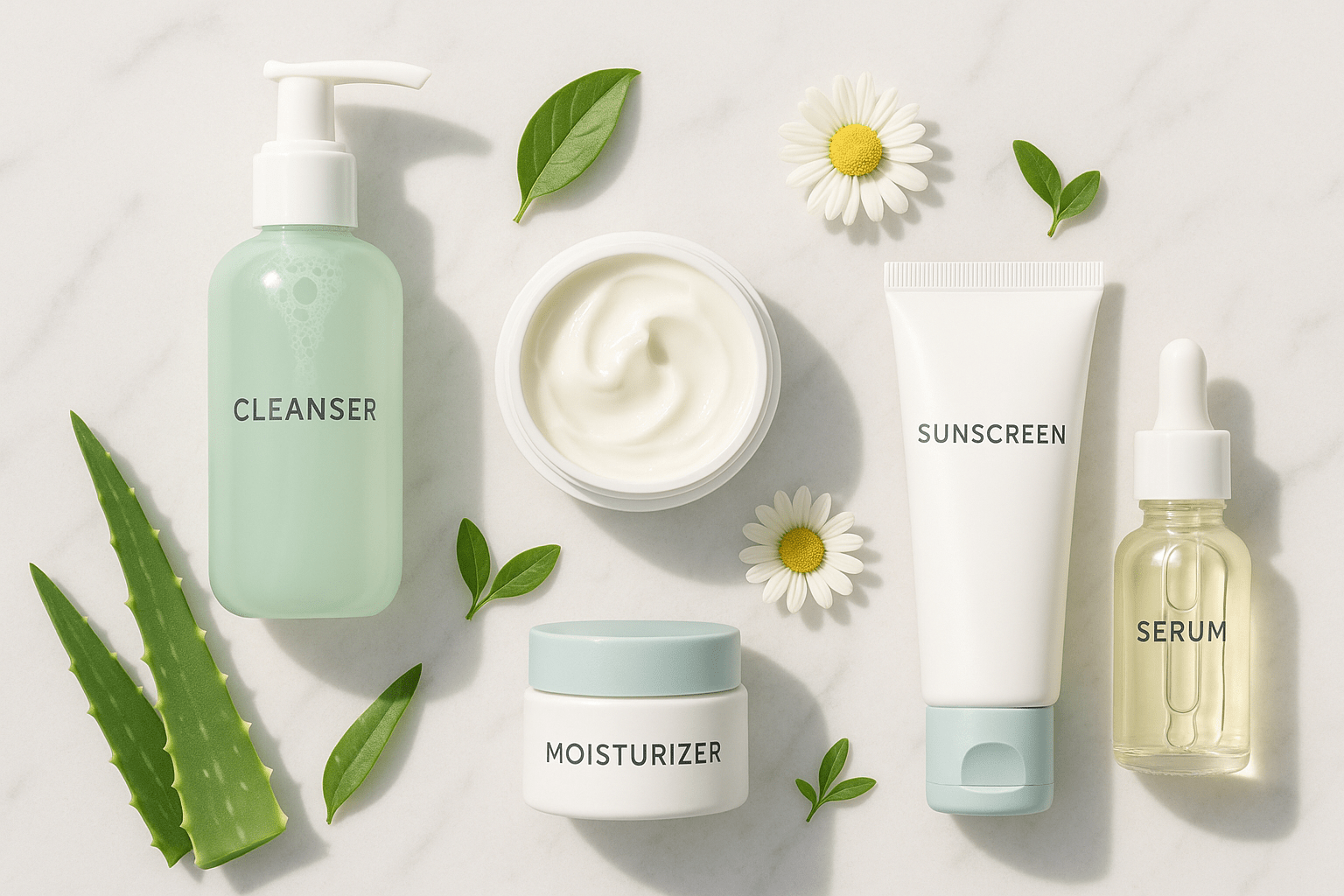
Skincare layers from thinnest to thickest. Here is where vitamin C sits:
| Step | Morning | Evening (if using at night) |
|---|---|---|
| 1. Cleanse | Gentle cleanser | Gentle cleanser |
| 2. Tone | Hydrating toner (optional) | Hydrating toner (optional) |
| 3. Treat | Vitamin C serum | Vitamin C serum |
| 4. Moisturize | Lightweight moisturizer | Night moisturizer |
| 5. Protect | Mineral SPF 30+ | — |
Two practical details: apply to dry skin (damp skin can increase tingling with vitamin C), and give the serum 60 seconds or so to absorb before layering moisturizer on top.

What Vitamin C Pairs Beautifully With
- Sunscreen: The essential partner. Vitamin C + SPF in the morning is the single most protective pairing in skincare.
- Hyaluronic acid: Hydration layers perfectly with vitamin C - apply HA serum after vitamin C or choose a formula containing both.
- Niacinamide: The old myth that these two cancel out has been debunked. They work well together for brightening plus barrier strength - our complete niacinamide guide covers the pairing in detail.
- Vitamin E: A natural teammate that stabilizes vitamin C and extends its antioxidant power.
What to Keep Apart From Vitamin C
- Strong exfoliating acids (AHA/BHA): Using glycolic or lactic acid in the same routine as vitamin C can overwhelm skin and destabilize the vitamin C. Alternate nights instead - our glycolic acid guide shows how to schedule exfoliation.
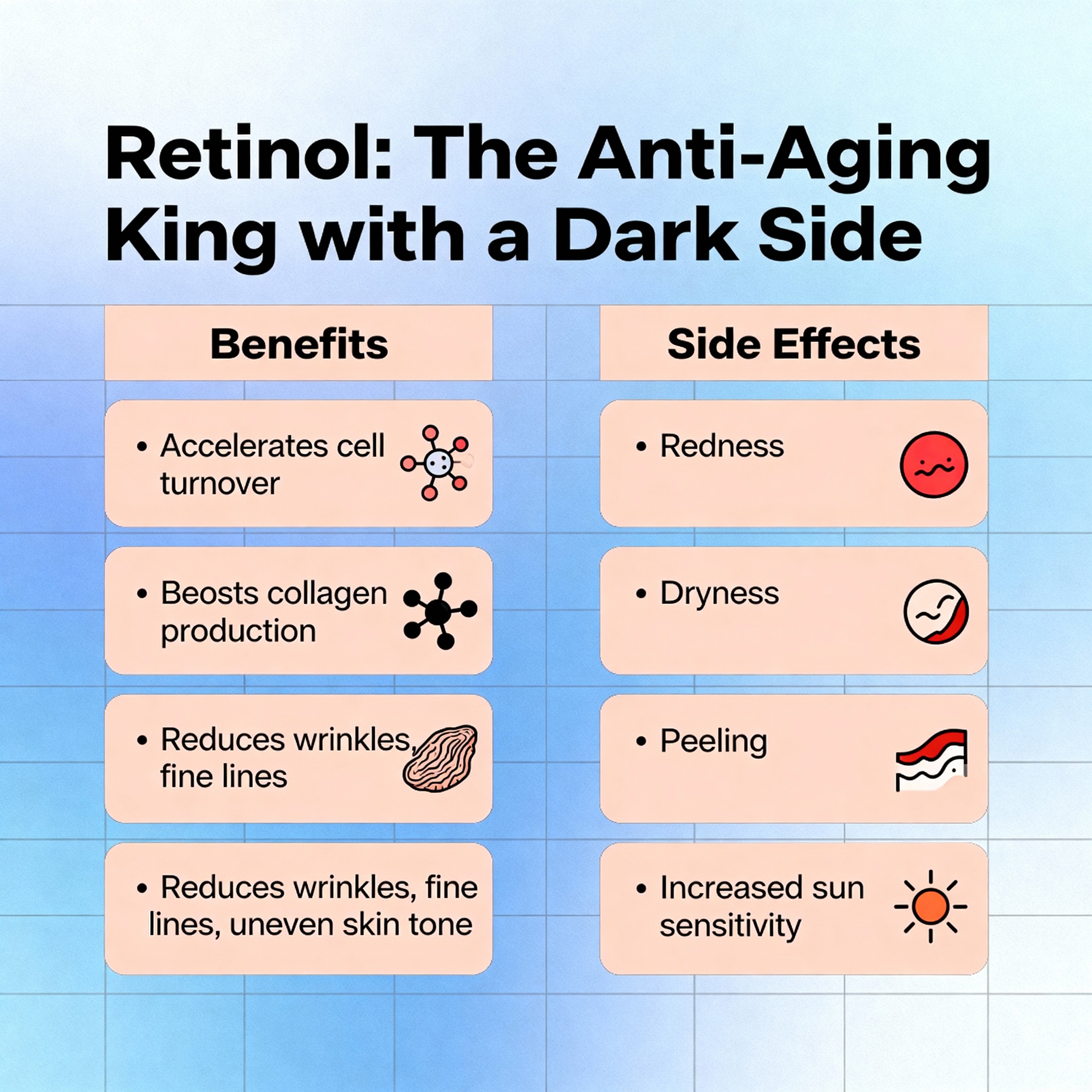
- Retinol (same routine): Both are potent; together they commonly cause irritation. Classic split: vitamin C in the morning, retinol or a gentle alternative like our bakuchiol serum at night.
- Benzoyl peroxide: Oxidizes vitamin C and cancels its benefit - keep them in separate routines.
How Often — and What to Expect
Vitamin C is built for daily use, and daily use is what delivers results: expect a fresher, brighter look within 2 to 4 weeks, and visible improvement in dark spots and overall tone by 8 to 12 weeks of consistency. If you are new to vitamin C or your skin is reactive, start once daily or every other day and build up. A brief, mild tingle on application is normal at first; persistent stinging or redness means you should slow down - and if your skin is generally sensitive, build your base with our organic routine for sensitive skin before adding actives.
Storage: The Step Everyone Forgets
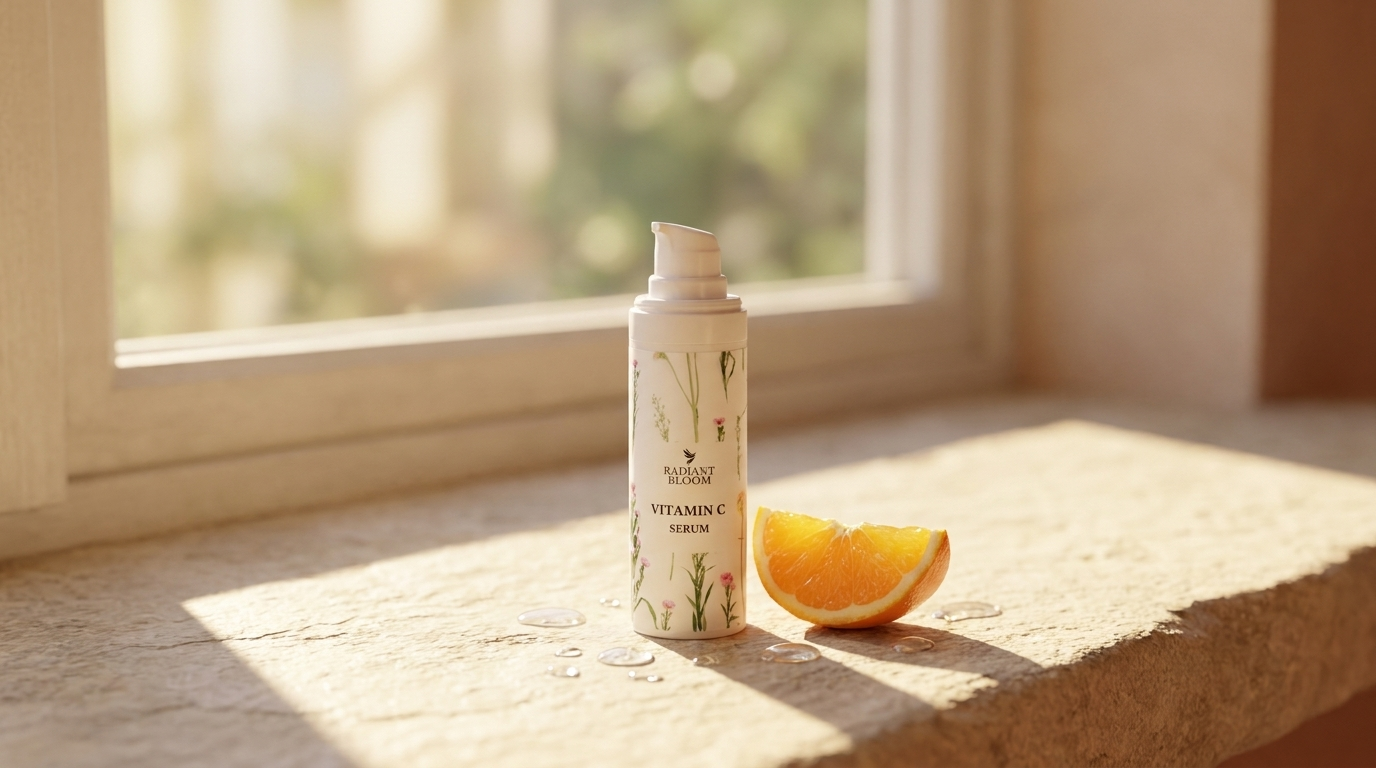
Vitamin C is famously unstable - light, air, and heat degrade it. Keep your serum tightly closed, away from direct sunlight and the steamy bathroom shelf; a cool drawer is ideal. If a vitamin C serum turns dark orange or brown, it has oxidized and lost much of its power - time to replace it. Dark glass packaging and airless or dropper bottles help protect potency, which is one reason quality formulation matters as much as the ingredient itself.
Frequently Asked Questions
When should you apply vitamin C serum?
Apply vitamin C serum in the morning, on clean dry skin after cleansing and toning, before your moisturizer and sunscreen. Morning use lets vitamin C work as an antioxidant shield throughout the day, neutralizing the free radicals from UV light and pollution that cause dullness, dark spots, and premature ageing.
Is it better to use vitamin C serum in the morning or at night?
Morning is the classic and most beneficial time, because vitamin C's antioxidant protection works alongside your sunscreen against daytime UV and pollution exposure. Night use also works and suits people who prefer to keep mornings simple, but you lose the daytime-protection synergy. Some people apply it both morning and night if their skin tolerates it well.
Does vitamin C serum go on before or after moisturizer?
Before. Skincare layers from thinnest to thickest: cleanse, tone, apply vitamin C serum, then moisturizer, and finish with SPF in the morning. Applying serum under moisturizer lets the active absorb directly into the skin instead of being blocked by heavier creams.
Can I use vitamin C serum every day?
Yes, vitamin C serum is designed for daily use, and consistency is what delivers brighter, more even skin over 8 to 12 weeks. If you are new to it or have sensitive skin, start once daily or every other day and build up. Mild tingling at first is normal; persistent stinging, redness, or breakouts mean you should reduce frequency or switch to a gentler formula.
Can you use vitamin C serum with niacinamide?
Yes. The old claim that vitamin C and niacinamide cancel each other out has been debunked — modern formulations work well together, and the pairing supports both brightening and barrier strength. Very sensitive skin may prefer using vitamin C in the morning and niacinamide in the evening.
Is vitamin C serum good for oily skin?
Yes. A lightweight, water-based vitamin C serum suits oily skin well — it brightens, helps fade post-blemish marks, and supports collagen without adding heaviness. Oily skin types should choose a fast-absorbing serum texture and avoid rich, oil-heavy vitamin C creams.
✦
The Bottom Line
Apply vitamin C serum in the morning, after cleansing and before moisturizer, and seal it with SPF - that is the gold-standard order that turns vitamin C into a daily shield for brighter, firmer, more even skin. Night use works too if mornings do not suit you, and consistency matters more than perfect timing. Pair it with hydration and sunscreen, keep it away from strong acids in the same routine, store it cool and dark, and give it 8 to 12 weeks. The glow is cumulative - and worth it.