Cart
0
Chlorine and salt water both strip the natural oils from your hair and lift the cuticle, leaving it dry, tangled and brittle. The single most effective protection takes thirty seconds: soak your hair in clean water before you get in, so it absorbs that instead of the pool. Follow with a leave-in barrier, rinse immediately afterwards, and use a weekly rebuilding mask through swimming season.
In this article: what chlorine actually does, salt water compared, the 30-second trick before you swim, your after-swim routine, why blonde hair turns green, and an FAQ.
What does chlorine actually do to your hair?
Chlorine is in the pool to kill bacteria, and it is not selective about it. It strips sebum, the natural oil that coats and protects each strand, which is the layer keeping your hair flexible and shiny. Without it, the cuticle, the overlapping scales forming the outer surface of the hair, lifts and roughens.
Once the cuticle is open, three things follow quickly. Moisture escapes, so hair feels dry and straw-like. The rough surface catches on itself, so it tangles and knots. And the exposed inner fibre becomes far more vulnerable to snapping, which is why regular swimmers so often deal with breakage and split ends.
Colour-treated hair takes the worst of it, because the same open cuticle that lets moisture out also lets colour molecules escape. Swimmers with dyed hair typically find their colour fades noticeably faster during swimming season.
Is salt water any better?
Not really, though it damages differently. Salt draws water out of the hair through osmosis, which is dehydrating in a more direct way than chlorine. Sea swimming also usually comes with sun exposure and wind, and UV independently degrades the proteins in hair. The gritty, tangled texture after a beach day is dehydration plus roughened cuticle plus salt crystals sitting on the strand.
| Chlorinated pool | Sea water | |
|---|---|---|
| Main mechanism | Strips protective oils chemically | Draws moisture out of the strand |
| Feel afterwards | Squeaky, straw-like, tangled | Gritty, rough, matted |
| Colour impact | Significant fading, can turn blonde green | Fading, lightening from combined sun |
| Extra factor | Warm indoor pools, frequent exposure | UV and wind alongside salt |
| Best defence | Pre-soak plus leave-in barrier | Pre-soak, leave-in, rinse promptly |
The 30-second trick that does most of the work
Hair behaves like a sponge. A dry sponge dropped into dirty water absorbs a lot of it; a sponge already saturated with clean water absorbs very little. Your hair works the same way.
So before you get into the pool or the sea, soak your hair thoroughly with clean water from the poolside shower. Hair that is already full of fresh water simply has far less capacity to take on chlorinated or salt water. It costs half a minute and it is the highest-value habit in this entire article.
Add a leave-in product on top of that and you have a physical barrier as well. Wearing hair up in a loose plait or bun, or using a swim cap over the top, reduces exposure further.

Before you swim · Barrier
Keratin Shine Leave-In Hair Mist
Mist through damp hair after your pre-swim soak. It coats the strand so there is a barrier between the cuticle and the chlorine, and it makes post-swim detangling far easier.
View product →What to do straight after swimming
- Rinse immediately. Do not let chlorine or salt dry into your hair. The longer it sits, the more damage it does. Rinse thoroughly with fresh water even if you cannot wash properly yet.
- Cleanse gently. You do need to remove the chlorine, but a harsh clarifying shampoo every single day compounds the dryness. Use a gentle cleanser regularly and clarify occasionally rather than constantly.
- Condition mid-lengths to ends. This is where damage concentrates. Leave it on for two or three minutes rather than rinsing straight out.
- Detangle carefully while wet. Hair is at its weakest wet and swimming leaves it tangled. Use a wide-tooth comb and start at the ends, working upward.
- Mask weekly during swimming season. This is the step that rebuilds rather than just soothing.

Every swim · Condition
Split-End Rescue Mask Fresh Conditioner
Smooths the roughened cuticle and puts slip back into hair that has gone tangly and squeaky, so you can detangle without snapping wet strands.
View product →
Weekly · Rebuild
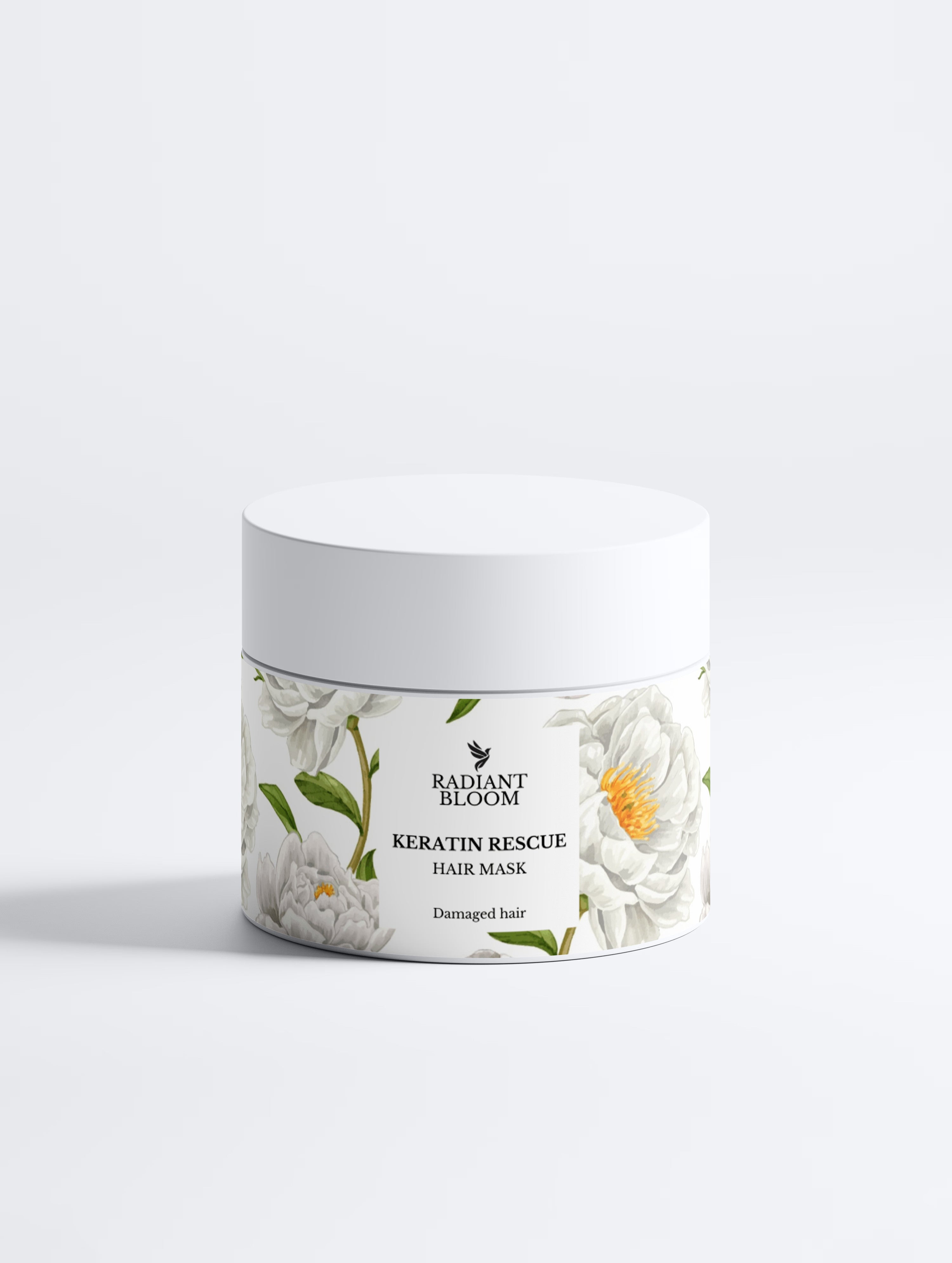
Keratin Intensive Rescue Hair Mask
Regular swimming strips protein as well as moisture. A weekly keratin treatment through the season rebuilds strength in hair that has gone brittle and snappy.
View product →Why does blonde hair turn green in the pool?
Contrary to the common belief, chlorine itself is not the culprit. The green tint comes from copper, which is present in some pool water from algaecides or from the pipework. Chlorine oxidises the copper, and the oxidised metal binds to the hair, depositing a green tone that shows up most obviously on pale blonde or lightened hair.
Prevention is the same as everything above: pre-soak, use a barrier product, and rinse promptly. If a tint has already appeared, a clarifying wash designed to remove mineral build-up is the usual fix, followed by a rich conditioning treatment, since anything that strips metals also strips moisture.
What about your skin?
Chlorine dries skin through the same mechanism, stripping the lipids that hold moisture in the skin barrier. Rinse off promptly, use a gentle body cleanser rather than a harsh one, and moisturise within a few minutes of getting out of the shower while skin is still damp. If you swim regularly and find your skin itchy and tight afterwards, that is barrier disruption rather than an allergy, and the fix is hydration rather than more washing.
Frequently asked questions
How do you protect your hair from chlorine?
Soak your hair with clean water before getting in, apply a leave-in product as a barrier, wear it up or under a cap, and rinse thoroughly straight after swimming.
Should you wash your hair after every swim?
Rinse after every swim without fail. Shampoo is not always necessary daily, but chlorine should never be left to dry into the hair. Use a gentle cleanser and condition the ends each time.
Why does chlorine turn blonde hair green?
Copper in the water, oxidised by chlorine, binds to the hair and leaves a green tone. It shows most on blonde or lightened hair. A clarifying wash removes it, followed by deep conditioning.
Is salt water better for your hair than chlorine?
Not really, just different. Salt dehydrates the strand and usually comes with sun and wind exposure. Both leave hair rough and dry, and both need the same pre-soak and rinse routine.
How often should I use a hair mask if I swim a lot?
Once a week through swimming season is a good baseline, alternating a protein-rich treatment with a purely moisturising one if hair starts to feel stiff.
· · ·