Cart
0
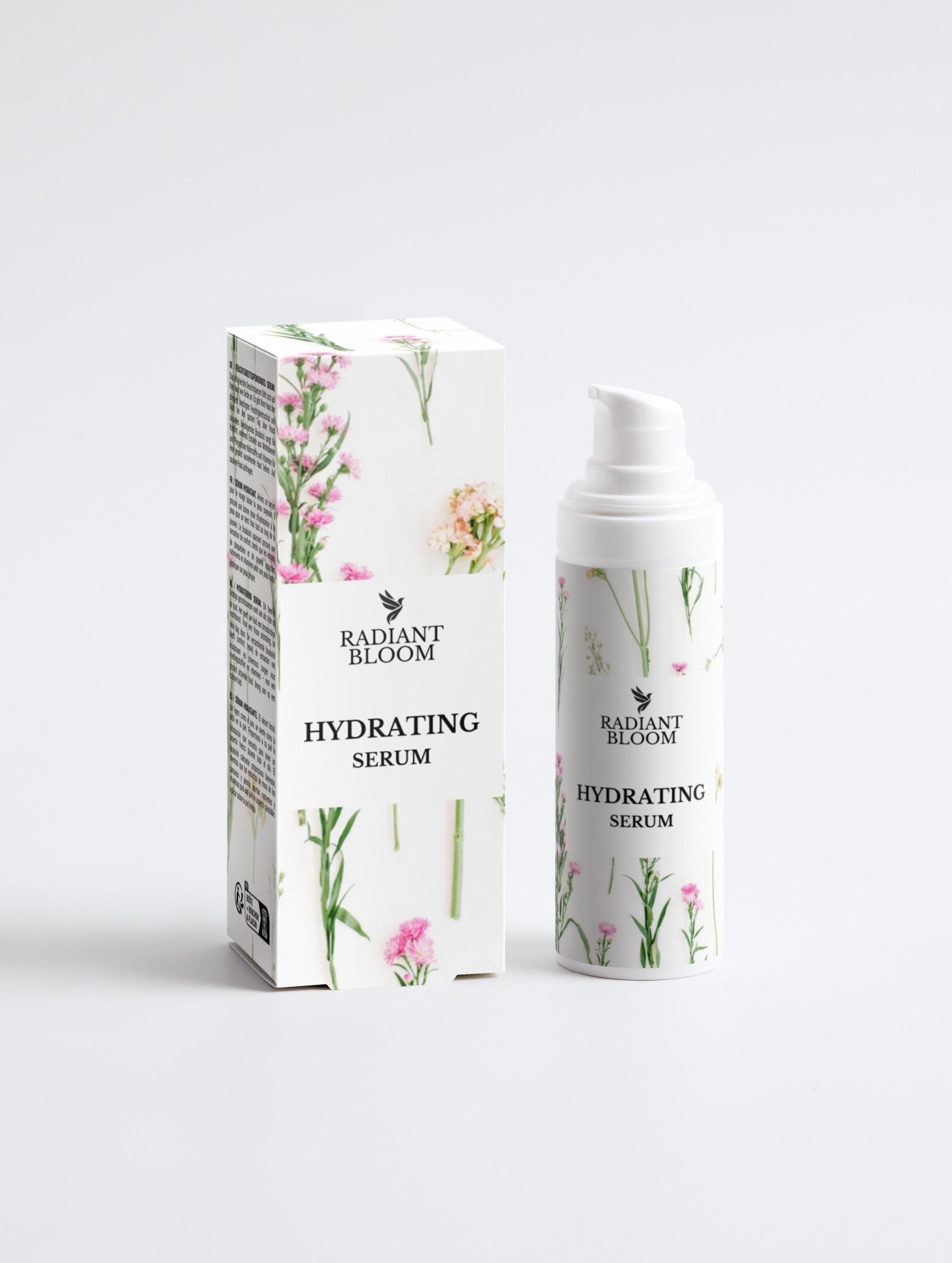
The right vegan serum for your face depends on the job you need done. A hydrating serum with hyaluronic acid plumps tight, dehydrated skin. A brightening serum built on vitamin C targets dullness and uneven tone. A renewing night serum with bakuchiol or peptides smooths the look of fine lines while you sleep. Every one of these actives can be made without a single animal ingredient: hyaluronic acid is fermented from plant sugars, vitamin C is synthesised or extracted from fruit, peptides are built in the lab, and bakuchiol comes from the seeds of the babchi plant. This guide matches each serum type to a routine goal, shows when to apply it, and explains how to layer serums without irritating your skin.
In this article
- What makes a face serum vegan?
- Which vegan serum does your skin need?
- What should you use in the morning?
- What should you use at night?
- How do you layer serums without irritation?
- Frequently asked questions
What makes a face serum vegan?
Serums are concentrated water- or oil-based formulas, and the headline actives in most of them are already animal-free by default. The vegan question usually hides in the supporting cast: glycerin can come from plants or animal fat, some peptide complexes are bound to animal-derived carriers, collagen serums are typically marine sourced, and a few soothing formulas use snail mucin or honey. A genuinely vegan serum replaces all of these with plant, mineral or lab-made alternatives, and the brand can show its ingredient sourcing on request. If reading labels is new to you, start with our breakdown of the difference between vegan and cruelty-free skincare.
Which vegan serum does your skin actually need?
Match the serum to the goal, not to the trend. This table covers the four most common routine gaps:
| Your goal | Serum type | Key vegan actives | When to use |
|---|---|---|---|
| Tight, dehydrated skin | Hydrating serum | Hyaluronic acid, glycerin, aloe | Morning and evening |
| Dullness and uneven tone | Brightening serum | Vitamin C, plant antioxidants | Morning, under sunscreen |
| Fine lines, gentle renewal | Bakuchiol night serum | Bakuchiol, plant oils | Evening |
| Loss of firmness | Peptide serum | Peptides, hyaluronic acid | Morning or evening |
What should you use in the morning?
Mornings are for hydration and antioxidant protection. A hydrating serum on slightly damp skin gives everything else a plump base, while vitamin C helps defend against the daily assault of UV and pollution and gradually evens tone. Always finish a morning routine with sunscreen, otherwise the brightening work is undone by lunchtime.

Vegan hydrating serum
Hydrating SerumA silky, lightweight serum that delivers an instant drink of moisture for tight, thirsty skin.
€24.99Shop Now →

Vegan brightening serum
Vitamin C SerumAn energising booster with a juicy mandarin aroma for brighter, more even-looking skin.
€24.99Shop Now →
What should you use at night?
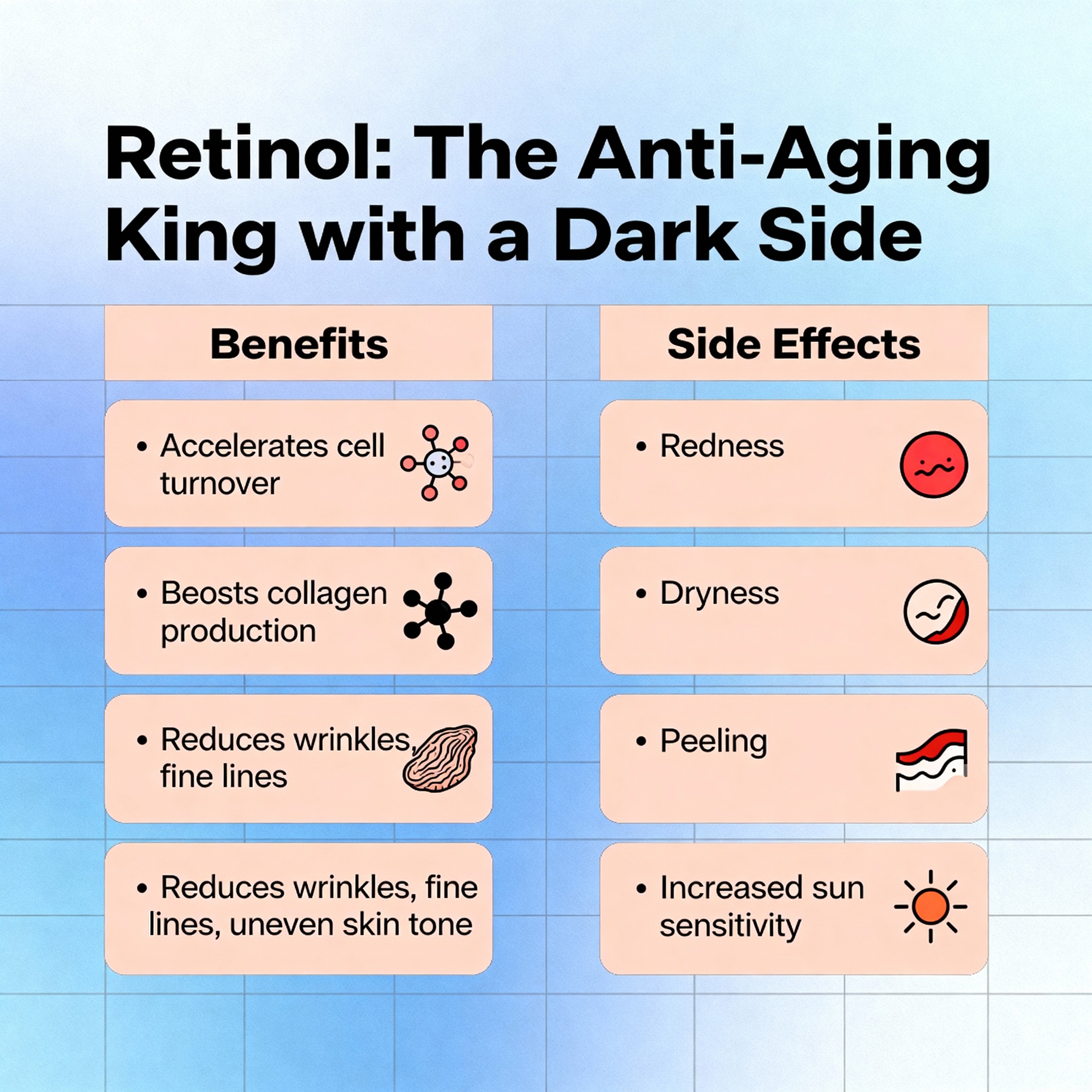
Night is when skin switches into repair mode, which makes it the ideal slot for renewal actives. Bakuchiol, the plant-derived retinol alternative, smooths the look of fine lines without the dryness and sun sensitivity retinol is known for, and peptides support the feeling of firmness. If you are curious how bakuchiol compares to conventional options, our detailed guide to vegan anti-aging serums and our post on when to apply bakuchiol cover it in depth.
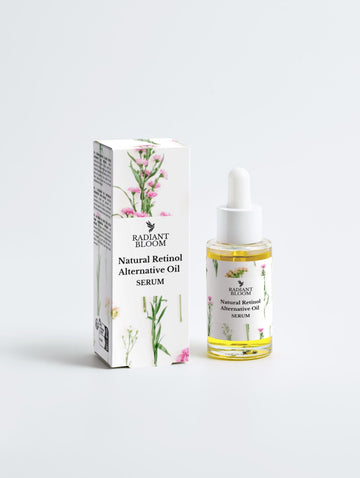
Vegan night serum
Organic Bakuchiol Oil SerumA gentle, pregnancy-safe retinol alternative that works on fine lines overnight.
€34.99Shop Now →

Vegan peptide serum
Botox-Like Peptide SerumHigh-performance peptides and hyaluronic acid for skin that looks smoother and feels firmer.
€29.99Shop Now →
How do you layer serums without irritation?
- Two serums per routine, maximum. More layers rarely mean more results, just more chances of pilling and irritation.
- Thinnest texture first. Watery serums go before milky or oily ones.
- Introduce one new active at a time. Give each new serum two weeks before adding the next, so you know what your skin likes.
- Split strong actives across the day. Vitamin C in the morning, bakuchiol at night is a classic, skin-friendly split.
- Patch test. A few nights on the jawline saves your whole face from a bad reaction.
And remember that the skin around your eyes plays by its own rules; our guide to choosing a vegan eye cream explains the difference.
Frequently asked questions
Is hyaluronic acid vegan?
Almost always today. Modern hyaluronic acid is produced by fermenting plant sugars with microbes, not extracted from animal tissue as it was decades ago. A certified vegan product removes any doubt.
Can I use vitamin C and bakuchiol together?
Yes, and the easiest way is to split them: vitamin C in the morning under sunscreen, bakuchiol in the evening. Unlike retinol, bakuchiol is gentle enough that sensitive skin usually tolerates this combination well.
How many serums can I layer at once?
Stick to one or two per routine, applied thinnest first. If you want more actives in your week, alternate evenings instead of stacking layers.
How long until a serum shows results?
Hydrating serums work within minutes to days. Brightening and renewing serums need patience: expect visible change in tone and fine lines after 6 to 12 weeks of consistent use.
Do I still need a moisturiser after serum?
Yes. Serums deliver concentrated actives but little of the barrier support a cream provides. Serum first, moisturiser on top, sunscreen last in the morning.
Build your serum routine
Hydrate, brighten and renew with vegan serums made from organic botanicals in small batches.
Shop Serums & Oils →Free worldwide shipping on orders over €45. Vegan, cruelty-free and organic.