Cart
0
The best vegan moisturiser for you depends on texture first and ingredients second: gels for oily and combination skin, light lotions for normal skin, richer creams for dry and mature skin, and minimal, fragrance-conscious formulas for sensitive skin. Every hydrating hero, from hyaluronic acid to squalane to peptides, exists in fully plant based form, so nothing about a vegan moisturiser is a compromise. The catch is that conventional moisturisers are one of the most common hiding places for animal-derived ingredients: lanolin, beeswax, collagen, snail mucin and milk lipids all appear regularly. This guide shows you which texture matches your skin type, what to check on the label, and how to tell marketing from formulation.
In this article
- What makes a moisturiser vegan?
- Which texture suits your skin type?
- Vegan moisturiser picks by skin type
- How do you get the most from your moisturiser?
- Frequently asked questions
What makes a moisturiser vegan?
A vegan moisturiser contains no animal-derived ingredients anywhere in the formula. These are the ones that appear most often in face creams:
- Lanolin: wool wax, the classic base of rich barrier creams.
- Beeswax (cera alba): a common thickener in balms and creams.
- Collagen and elastin: marine or bovine proteins in anti-ageing creams; vegan formulas use peptides that support your skin's own collagen instead.
- Snail mucin: the K-beauty glow ingredient, secreted by snails and not vegan.
- Milk lipids and yoghurt extracts: frequent in softening creams.
- Squalene, glycerin and stearic acid: can be plant or animal sourced, so only a vegan claim or certification settles it.
The swaps cost your skin nothing: shea butter replaces lanolin, candelilla wax replaces beeswax, olive squalane replaces shark squalene, and fermented hyaluronic acid out-hydrates them all. For the full label-reading method, see our guide to vegan vs cruelty-free skincare.
Which texture suits your skin type?
Texture is the single best predictor of whether you will love a moisturiser. Match it here:
| Skin type | Texture to choose | Key vegan ingredients |
|---|---|---|
| Oily or blemish-prone | Oil-free gel | Hyaluronic acid, aloe, niacinamide |
| Combination | Gel-cream | Glycerin, lightweight plant oils |
| Normal | Light lotion or cream | Squalane, jojoba, vitamin E |
| Dry or mature | Rich cream | Shea butter, peptides, plant ceramides |
| Sensitive | Minimal, fragrance-conscious cream | Oat extract, aloe, panthenol |
Vegan moisturiser picks by skin type

For oily and combination skin
Oil-Free Hydrating GelA weightless vegan gel that hydrates thoroughly and disappears without a trace of shine.
€24.99Shop Now →

For blemish-prone skin
Acne Care MoisturizerProof that blemish-prone skin still needs moisture: light, calming and non-clogging.
€22.90Shop Now →

For dry and mature skin
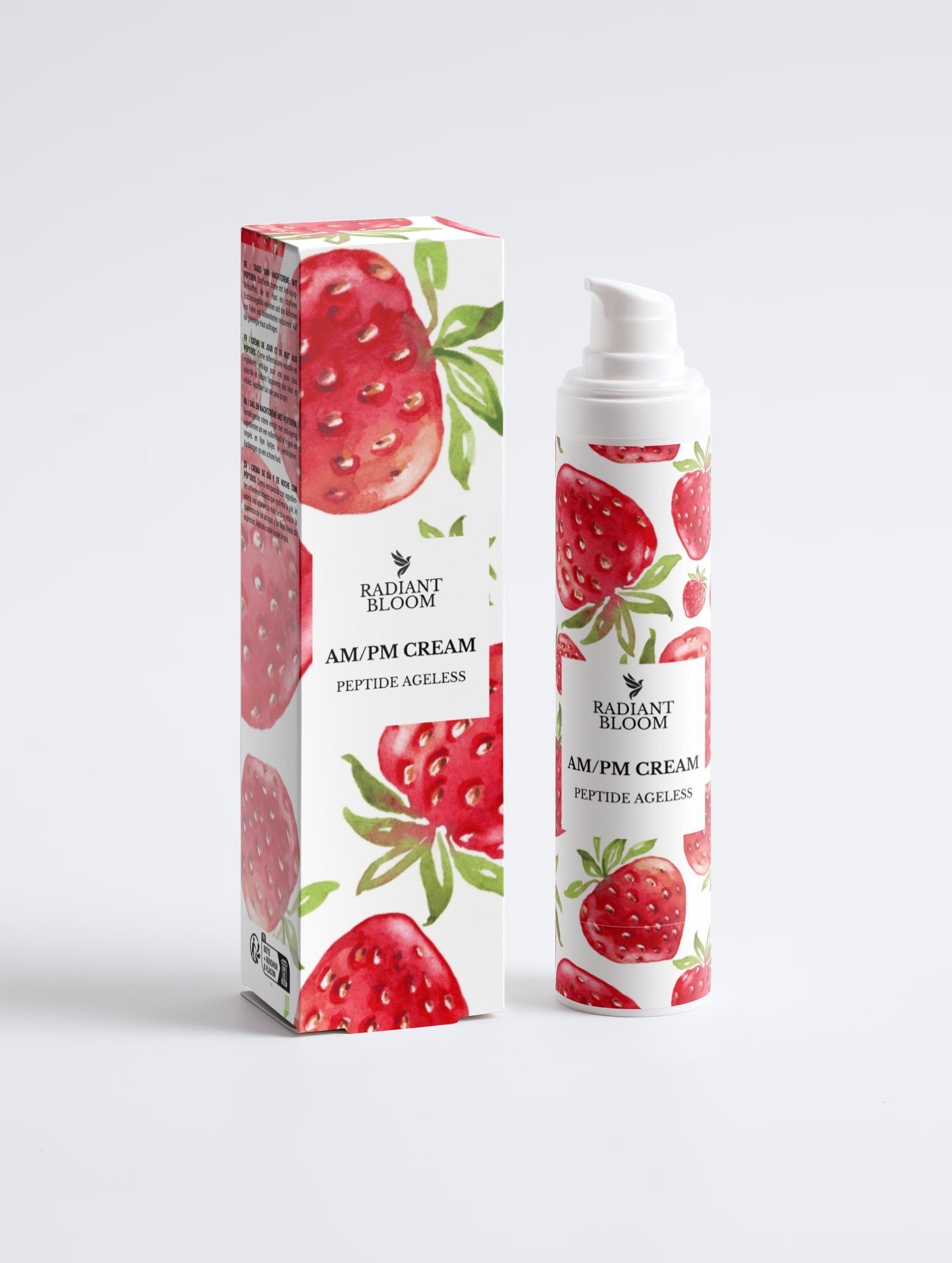
Peptide Ageless AM/PM CreamPeptides and hyaluronic acid in one cream that works morning and night, no shelf clutter.
€27.00Shop Now →

For sensitive skin
Sensitive Skin MoisturiserA calm, certified organic vegan cream for skin that reacts to almost everything else.
€24.99Shop Now →
If dryness is your dominant concern year-round, our dedicated guide to vegan moisturisers for dry skin goes deeper on barrier repair, and very dry skin can layer a vegan face oil on top at night.
How do you get the most from your moisturiser?
- Apply to slightly damp skin. Moisturisers trap water, so give them water to trap.
- Use it twice daily. Consistency beats quantity; a pea-to-hazelnut amount is plenty.
- Layer in the right order. Serum first, moisturiser second, SPF or oil last. Our complete vegan routine guide maps every step.
- Adjust by season. Many people need a gel in summer and a cream in winter; that is normal, not fickle.
- Give a new moisturiser two weeks before judging it, unless it stings or breaks you out, in which case stop immediately.
Frequently asked questions
Is snail mucin vegan?
No. Snail mucin is a secretion collected from live snails, so it is neither vegan nor cruelty-free by most standards. Plant based alternatives that deliver the same dewy effect include hyaluronic acid, aloe vera and snow mushroom (tremella) extract.
Do oily skins need moisturiser at all?
Yes. Skipping moisturiser makes oily skin produce more sebum to compensate. An oil-free gel hydrates without adding grease, which usually calms the shine rather than feeding it.
Is one moisturiser for day and night enough?
For most people, absolutely. A well-formulated AM and PM cream simplifies the routine and saves money. Separate day and night creams only earn their place when you want SPF built into one and rich repair in the other.
Are vegan moisturisers good for anti-ageing?
Yes. The most evidence-backed anti-ageing ingredients in moisturisers, peptides, niacinamide and hyaluronic acid, are all made without animals. Animal collagen in a cream cannot enter skin anyway; supporting your own collagen with peptides is the smarter route.
What is the difference between vegan and plant based moisturiser?
Vegan means no animal-derived ingredients at all; plant based emphasises that the bulk of the formula comes from botanicals. The best products are both, and transparent brands prove it with published certificates.
Moisture without compromise
Gels, lotions and creams for every skin type, all vegan, cruelty-free and organic.
Shop Vegan Moisturisers →Free worldwide shipping on orders over €45. Vegan, cruelty-free and organic.