Einkaufswagen
0
Lactic acid in modern skincare is almost always vegan, despite a name that sounds like it belongs in the dairy aisle. The confusion is understandable: lactic acid was first discovered in sour milk, and the word shares a root with lactose. But the lactic acid used in cosmetics today is produced by fermenting plant sugars such as corn, beet or cassava with bacteria, a process that involves no milk and no animals at all. The old dairy association is history, not current practice. This matters because lactic acid is one of the gentlest and most popular exfoliating acids, an AHA that smooths texture and brightens dull skin while also being hydrating. This guide clears up the milk myth, explains where lactic acid really comes from, how to verify it, and how to use it well.
In this article
- Is lactic acid vegan?
- Why does everyone think it comes from milk?
- How do you verify it, and what else to check
- How do you use lactic acid properly?
- Frequently asked questions
Is lactic acid vegan?
In practice, yes. Lactic acid is an alpha hydroxy acid (AHA) used to exfoliate the skin's surface, and the cosmetic version is made through bacterial fermentation of plant carbohydrates. Here are the two possible routes:
- Plant-sugar fermentation (vegan, and now standard): sugars from corn, sugar beet, cassava or other plants are fermented by bacteria that produce lactic acid. This is how virtually all cosmetic and food-grade lactic acid is made today.
- Dairy fermentation (historical, now rare): originally lactic acid was produced from the fermentation of milk sugar (lactose). This method is essentially obsolete in cosmetics.
So the odds are strongly that any lactic acid you meet is plant-derived. As always, a vegan certification is what turns very likely into certain.
Why does everyone think it comes from milk?
The name is the whole reason. Lactic acid was first isolated from sour milk in the eighteenth century, and its name comes from lac, the Latin word for milk. That origin story stuck, even though the manufacturing reality moved on completely. Today plant-sugar fermentation is cheaper, more scalable and more consistent than using dairy, so the industry adopted it long ago. It is the same pattern seen with other ingredients whose names mislead: hyaluronic acid sounds animal but is now plant-fermented, and lactic acid sounds like dairy but is plant-fermented too. The name is a historical fossil, not a description of what is in your bottle.
How do you verify it, and what else to check
Lactic acid itself is rarely the issue; the surrounding formula is where to look. And note that lactic acid appears in two very different product types, exfoliants and hydrating formulas, since it doubles as a humectant.
| Ingredient | Vegan status |
|---|---|
| Lactic acid / sodium lactate | Almost always plant-fermented and vegan |
| Glycolic acid, salicylic acid | Vegan (sugarcane and willow or synthetic) |
| Glycerin | Ambiguous, see our glycerin guide |
| Honey, milk extracts | Not vegan, sometimes in soothing acid formulas |

Vegan AHA exfoliation
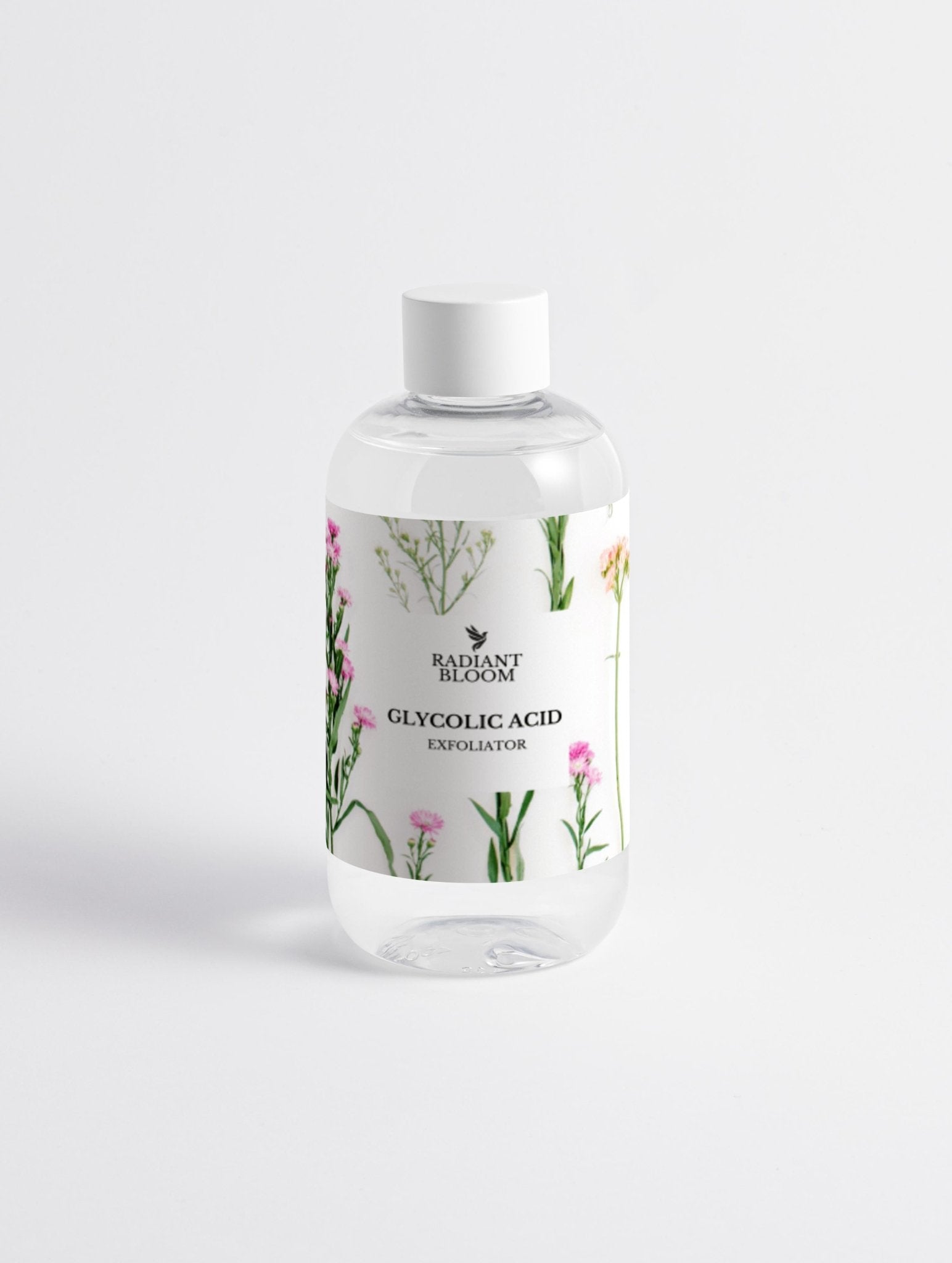
Glycolic Acid Liquid ExfoliatorA plant-derived AHA exfoliant that smooths and brightens, in the same gentle acid family as lactic acid.
€19.99Shop Now →

Weekly resurfacing
AHA Peeling ConcentrateA focused vegan fruit-acid peel for the one evening a week your skin wants deeper renewal.
€23.99Shop Now →
For the full picture of how acids fit into a routine, and how often to use each, see our vegan exfoliator guide.
How do you use lactic acid properly?
- Evenings only. Like all AHAs, lactic acid makes skin temporarily more sun-sensitive, so use it at night.
- SPF the next morning, without fail. Freshly exfoliated skin burns faster, so daily sunscreen is non-negotiable, as our sunscreen guide covers.
- Start once or twice a week. Build up only if your skin stays comfortable. Lactic acid is one of the gentler AHAs, which makes it a good beginner acid.
- Do not stack it with other strong actives in the same session. Acid one night, retinol alternative another.
- Follow with moisturiser. Lactic acid is hydrating for an acid, but sealing it in keeps the barrier happy.
Frequently asked questions
Is lactic acid vegan?
Almost always, yes. Modern cosmetic lactic acid is produced by fermenting plant sugars like corn and beet, not from milk. The dairy-fermented version is essentially obsolete, though a vegan certification is the only absolute guarantee.
Does lactic acid come from milk?
Not anymore. It was first discovered in sour milk, which is where the name comes from, but the version in your skincare is fermented from plant sugars. The milk link is purely historical.
Is sodium lactate vegan?
Yes, when derived from plant-fermented lactic acid, which is the norm. Sodium lactate is the salt form, used as a humectant, and it follows the same sourcing as lactic acid itself.
Is lactic acid or glycolic acid gentler?
Lactic acid is generally the gentler of the two AHAs, with a larger molecule that penetrates more slowly, which makes it a good choice for sensitive skin or first-time acid users.
Can I use lactic acid every day?
Most skin does best starting at one to three evenings a week. Daily use is possible for resilient skin with a low concentration, but over-exfoliation causes tightness and breakouts, so build up slowly.
Smooth, bright skin the plant way
Plant-fermented exfoliating acids in every formula, vegan and cruelty-free.
Shop Vegan Exfoliants →Free worldwide shipping on orders over €45. Vegan, cruelty-free and organic.