Einkaufswagen
0
Stearic acid can be either vegan or not, and just like glycerin, the label will not tell you which. It is a fatty acid used as an emulsifier and thickener, the ingredient that gives creams, lotions and cleansers their smooth, stable texture, and it can be derived from plant sources such as coconut, shea and palm, or from animal fat, typically tallow. Both versions carry the identical INCI name, Stearic Acid, so there is no way to distinguish them from the ingredient list alone. This puts stearic acid in the same awkward category as glycerin: extremely common, functionally excellent, and genuinely ambiguous. This guide explains what stearic acid does, why its source is invisible, how to check whether yours is plant-derived, and which other ingredients share the same problem.
In this article
- Is stearic acid vegan?
- What does stearic acid do in skincare?
- How do you check if it is plant-derived?
- The other ambiguous ingredients to know
- Frequently asked questions
Is stearic acid vegan?
It depends on the source. Stearic acid is a saturated fatty acid that occurs naturally in both plant and animal fats, and the version used in cosmetics can come from either:
- Plant-derived (vegan): made from vegetable fats such as coconut, shea, cocoa or palm oil.
- Animal-derived (not vegan): rendered from animal fats, most commonly beef tallow.
As with glycerin, the finished molecule is identical whichever source it starts from, and it performs the same either way, which is precisely why the label makes no distinction. So the vegan question is entirely about origin. The reassuring part is that plant-derived stearic acid is extremely widely used, and any brand that is vegan across its range will be using the vegetable version by default.
What does stearic acid do in skincare?
Stearic acid is one of the quiet workhorses of a formula. Its main jobs are:
- Emulsifying: helping oil and water stay blended so a cream does not separate.
- Thickening: giving lotions and creams their body and cushiony texture.
- Softening: acting as an emollient that leaves skin feeling smooth.
- Stabilising: helping products stay consistent over their shelf life.
You will find it in moisturisers, cleansers, body creams and many other emulsions. It is not an active you buy a product for, but it is part of what makes that product pleasant to use, which is why it appears on so many ingredient lists.
How do you check if it is plant-derived?
The same three-step method that works for glycerin applies here:
| Method | Reliability | What to look for |
|---|---|---|
| Vegan certification | Highest | Vegan Society or PETA vegan logo |
| Explicit label wording | High | Vegetable-derived or plant-based stated |
| Asking the brand | Good | A direct written answer naming the source |
And the same shortcut applies: a brand that is fully vegan has already vetted every ingredient, so the question disappears. You can see our certifications on the certificates page.

Plant-derived emulsifiers
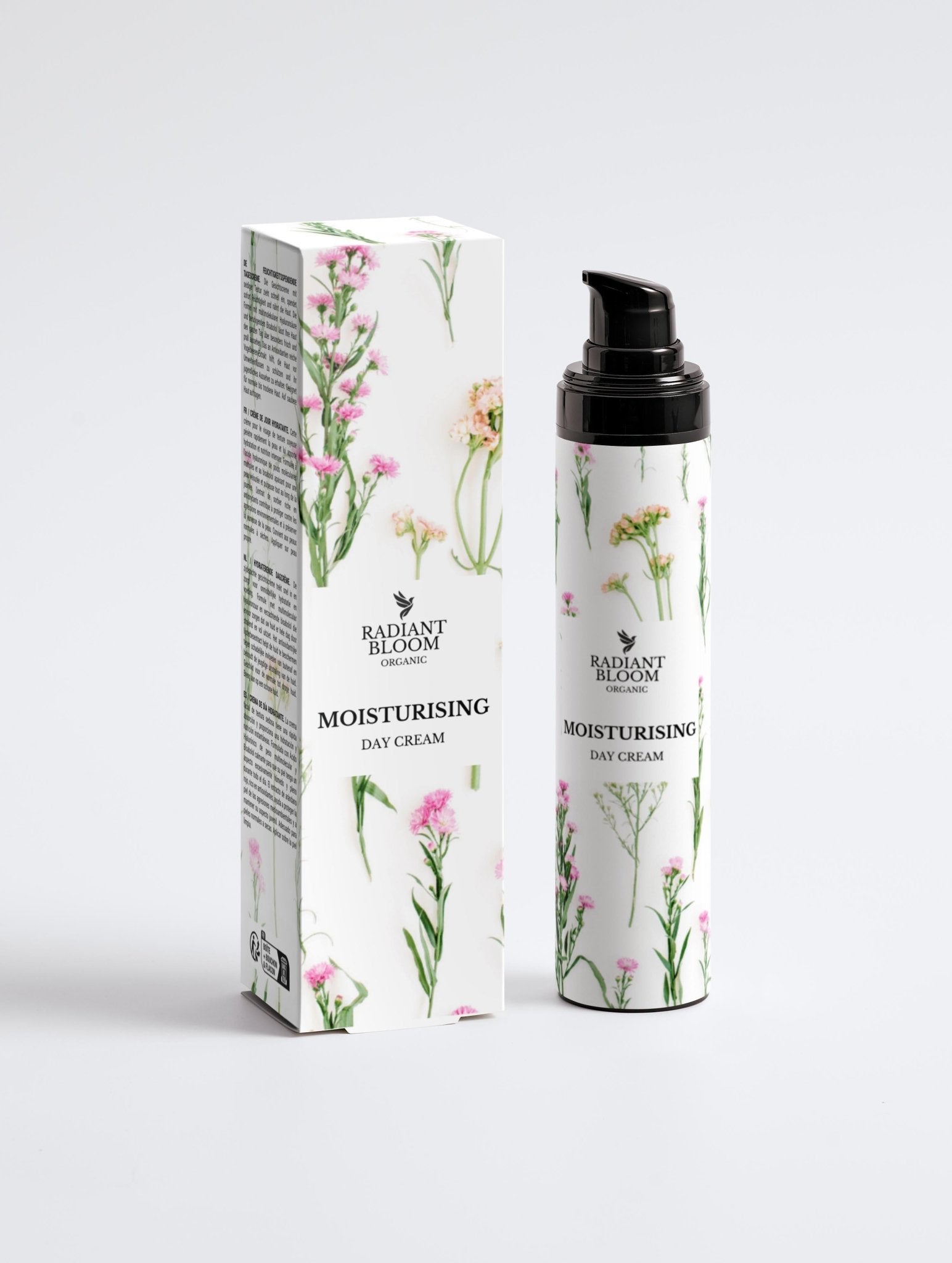
Moisturising Day CreamA smooth vegan day cream whose texture comes entirely from plant-derived ingredients.
€24.99Shop Now →

Rich texture, no animal fat
Collagen Anti-Age Night CreamA cushiony vegan night cream that gets its richness from plant butters and emulsifiers, not tallow.
€29.99Shop Now →
The other ambiguous ingredients to know
Stearic acid belongs to a small group of source-ambiguous ingredients worth recognising as a set, because once you know them, label-reading gets much faster:
- Glycerin: plant or tallow, the most common of all. See our glycerin guide.
- Stearic acid: plant or tallow, this ingredient.
- Squalane: olive or sugarcane in vegan formulas, historically shark liver.
- Lactic acid: now almost always plant-fermented, despite the dairy name.
- Cetyl and stearyl alcohol: fatty alcohols that, like stearic acid, can be plant or animal derived.
The unambiguous animal ingredients, lanolin, beeswax, carmine, collagen and snail mucin, are far easier to spot, and our vegan vs cruelty-free guide lists them all. Between that guide and the ambiguous set above, you can read almost any label with confidence.
Frequently asked questions
Is stearic acid vegan?
It can be either. Stearic acid is made from plant fats such as coconut and shea, or from animal fat like tallow, and the INCI name is identical for both. Only a vegan certification or a statement from the brand confirms the source.
What is stearic acid made from?
In vegan products, from vegetable oils such as coconut, palm, shea or cocoa. In non-vegan products, from rendered animal fat, usually beef tallow. It occurs naturally in both.
Is stearic acid safe for skin?
Yes. Regardless of source, stearic acid is a well-tolerated emulsifier and emollient that helps give creams their texture and keeps them stable. The vegan question is ethical, not a safety concern.
How can I tell if the stearic acid in a product is plant-based?
Look for a vegan certification or explicit vegetable-derived wording. If neither is present, ask the brand directly, as reputable brands will tell you the source.
Is palm-derived stearic acid vegan?
Technically yes, since palm is a plant. If sustainability matters to you as well, look for brands that state responsibly sourced or certified sustainable palm, which is a separate consideration from the vegan question.
Every ingredient vetted for you
Fully vegan formulas mean you never have to decode an ambiguous ingredient again.
Shop Vegan Skincare →Free worldwide shipping on orders over €45. Vegan, cruelty-free and organic.