Einkaufswagen
0
Squalane can be vegan or not, and this is the one ambiguous ingredient with a genuinely uncomfortable backstory: for decades, squalane was made from shark liver oil. Sharks have livers exceptionally rich in squalene, the compound squalane is derived from, and the industry harvested it on a large scale. The good news is that plant-based squalane, made from olives or sugarcane, is now widely available, performs identically, and is what any vegan brand uses. The bad news is that shark-derived squalane still exists in the market, and because the INCI name Squalane is identical regardless of source, you cannot tell them apart on the label. For a vegan, and for anyone concerned about sharks, this is one ingredient genuinely worth checking. This guide explains the sourcing, how to verify plant origin, and why squalane is such a beloved skincare ingredient.
In this article
- Is squalane vegan?
- The shark liver problem, explained
- How do you check squalane is plant-derived?
- Why is squalane so good for skin?
- Frequently asked questions
Is squalane vegan?
It depends entirely on the source. Squalane is a lightweight emollient oil, prized because it closely mimics the skin's own natural oils. It is the stable version of squalene, a compound found in many living things, including human skin. Cosmetic squalane comes from one of three sources:
- Olive-derived (vegan): squalene extracted from olives, then stabilised into squalane.
- Sugarcane-derived (vegan): produced by fermenting sugarcane, a popular modern biotech route.
- Shark-derived (not vegan): from shark liver oil, the traditional and ethically troubling source.
All three produce a molecule that behaves identically on the skin, so this is purely a sourcing and ethics question, and one where the answer genuinely varies between products.
The shark liver problem, explained
Deep-sea sharks store energy in oil-rich livers containing high concentrations of squalene, which historically made them the cheapest source. The concern is twofold: it is obviously not vegan, and it has raised serious conservation issues, since deep-sea shark species are slow to reproduce and vulnerable to overfishing. This is why plant-based alternatives were developed and why many brands proudly state their squalane is olive or sugarcane derived. Unfortunately, shark-derived squalane has not disappeared from the global market, particularly in some cosmetics and supplements. Because the label just says Squalane, a plant claim or vegan certification is the only way to be sure you are avoiding the shark version. This makes squalane different from something like shea butter, where there is only ever one source.
How do you check squalane is plant-derived?
| Method | Reliability | What to look for |
|---|---|---|
| Vegan certification | Highest | Vegan Society or PETA vegan logo |
| Explicit source wording | High | Olive-derived or sugarcane-derived squalane |
| Asking the brand | Good | A written answer naming olive or sugarcane |
Reassuringly, most reputable skincare brands now use plant squalane and say so clearly, precisely because the shark issue is well known. Buying from a fully vegan brand removes the question entirely, and our label-reading guide covers the wider method.

Plant oils, never shark
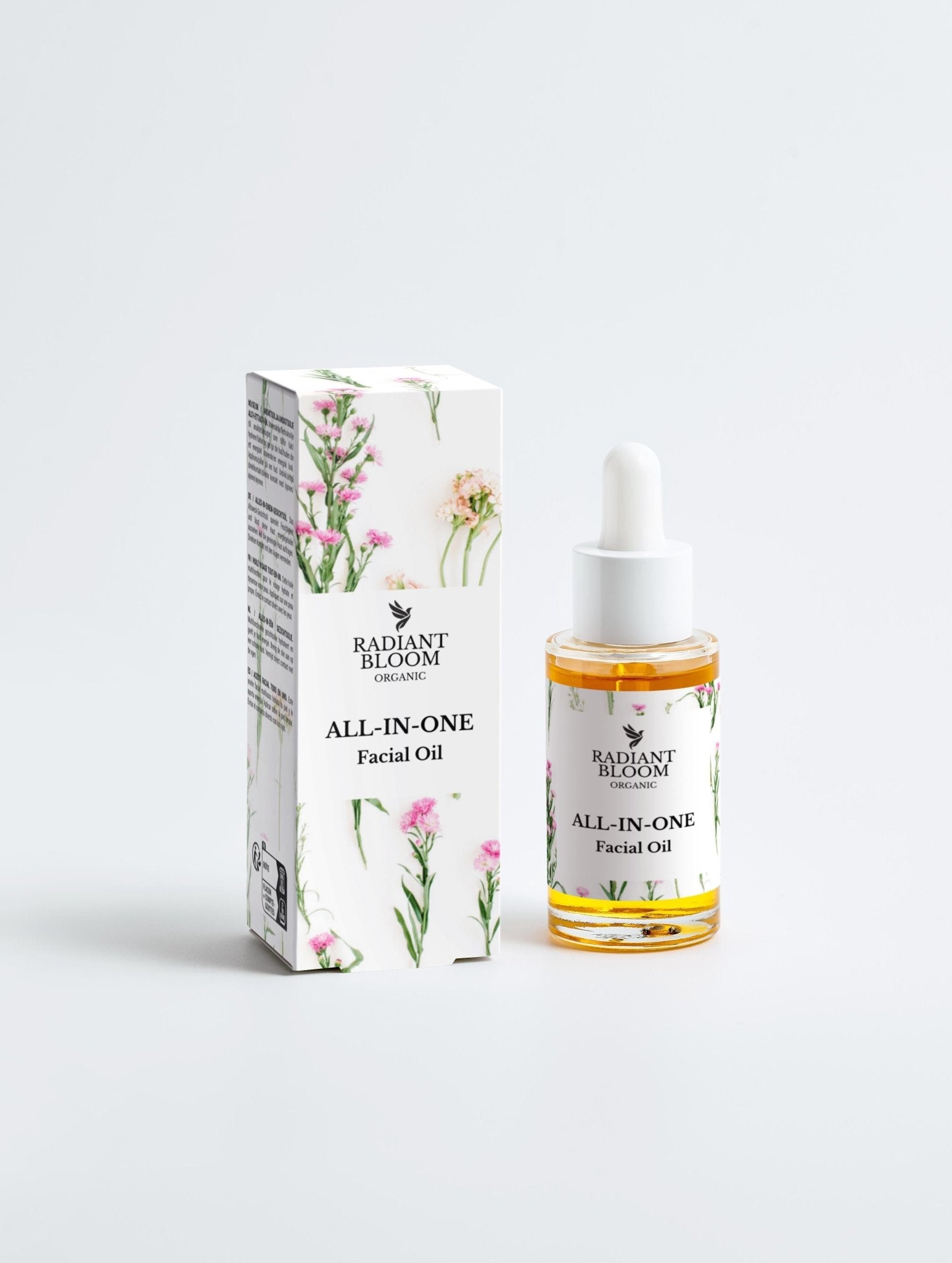
All-In-One Facial OilA lightweight vegan facial oil built entirely on plant-derived oils for glow without grease.
€26.99Shop Now →

Lightweight hydration
Hydrating SerumA silky vegan serum that delivers featherlight moisture, ideal layered under a plant oil.
€24.99Shop Now →
Why is squalane so good for skin?
Squalane is popular for good reason. Because it closely matches the skin's own natural oils, it absorbs quickly and feels weightless rather than greasy, which makes it suitable even for oily and blemish-prone skin. It is a superb emollient that softens and smooths, it helps reinforce the skin barrier and lock in moisture, and it is generally very well tolerated, including by sensitive skin. It also has an exceptionally long shelf life because it is so stable. Squalane appears in facial oils, serums, moisturisers and more, often as a lightweight alternative to heavier plant oils. For how to choose oils by skin type, see our vegan face oil guide.
Frequently asked questions
Is squalane vegan?
It can be. Olive-derived and sugarcane-derived squalane are vegan, while shark-liver squalane is not. Since the label just says squalane, a vegan certification or an explicit plant-source claim is the way to be sure.
Does squalane come from sharks?
It can. Historically most squalane came from shark liver oil, and the shark version still exists in the market. Plant-based squalane from olives or sugarcane is the ethical, vegan alternative and is now widely used.
Is plant squalane as good as shark squalane?
Yes, identical in performance. The final molecule is the same regardless of source, so plant squalane offers all the benefits with none of the ethical or conservation concerns.
What is the difference between squalene and squalane?
Squalene is the naturally occurring compound, which is unstable and oxidises quickly. Squalane is the hydrogenated, stabilised form used in skincare, with a long shelf life. Both can be plant or shark derived.
Is squalane good for oily skin?
Yes. Despite being an oil, squalane is lightweight and non-greasy because it mimics skin's own sebum, so it suits oily and blemish-prone skin as well as dry skin.
Plant oils, always, no exceptions
Lightweight vegan facial oils and serums, cruelty-free and never shark-derived.
Shop Vegan Oils →Free worldwide shipping on orders over €45. Vegan, cruelty-free and organic.