Cart
0
Bio Oil is one of the most searched skincare products among pregnant women, and the honest answer is nuanced: the manufacturer markets it for pregnancy and considers it safe, but the classic formula lists retinyl palmitate, a vitamin A derivative, which is exactly the ingredient family most doctors tell you to avoid while pregnant. The amount is small, and opinions differ, but if your pregnancy rule is "no retinoids, full stop", the classic Bio Oil does not fit that rule. Here is the full picture so you can decide with your doctor.
In this article
- What is actually in Bio Oil?
- Why does retinyl palmitate raise questions in pregnancy?
- Does Bio Oil actually prevent stretch marks?
- What are the natural alternatives during pregnancy?
- FAQ
What is actually in Bio Oil?
The classic Bio Oil Skincare Oil is primarily mineral oil (paraffinum liquidum) carrying a blend of plant extracts such as calendula, lavender, rosemary and chamomile, plus vitamin E, added fragrance, and retinyl palmitate, a form of vitamin A. It is the last two that deserve a pregnant reader's attention: fragrance because pregnancy skin is often newly reactive, and retinyl palmitate because of what family it belongs to.
To be fair to the brand, a newer "100% natural" version exists that leaves out the mineral oil and the retinyl palmitate. If you love Bio Oil and want to stay with it, that version sidesteps the main concern. The rest of this article explains why the question comes up at all.
Why does retinyl palmitate raise questions in pregnancy?
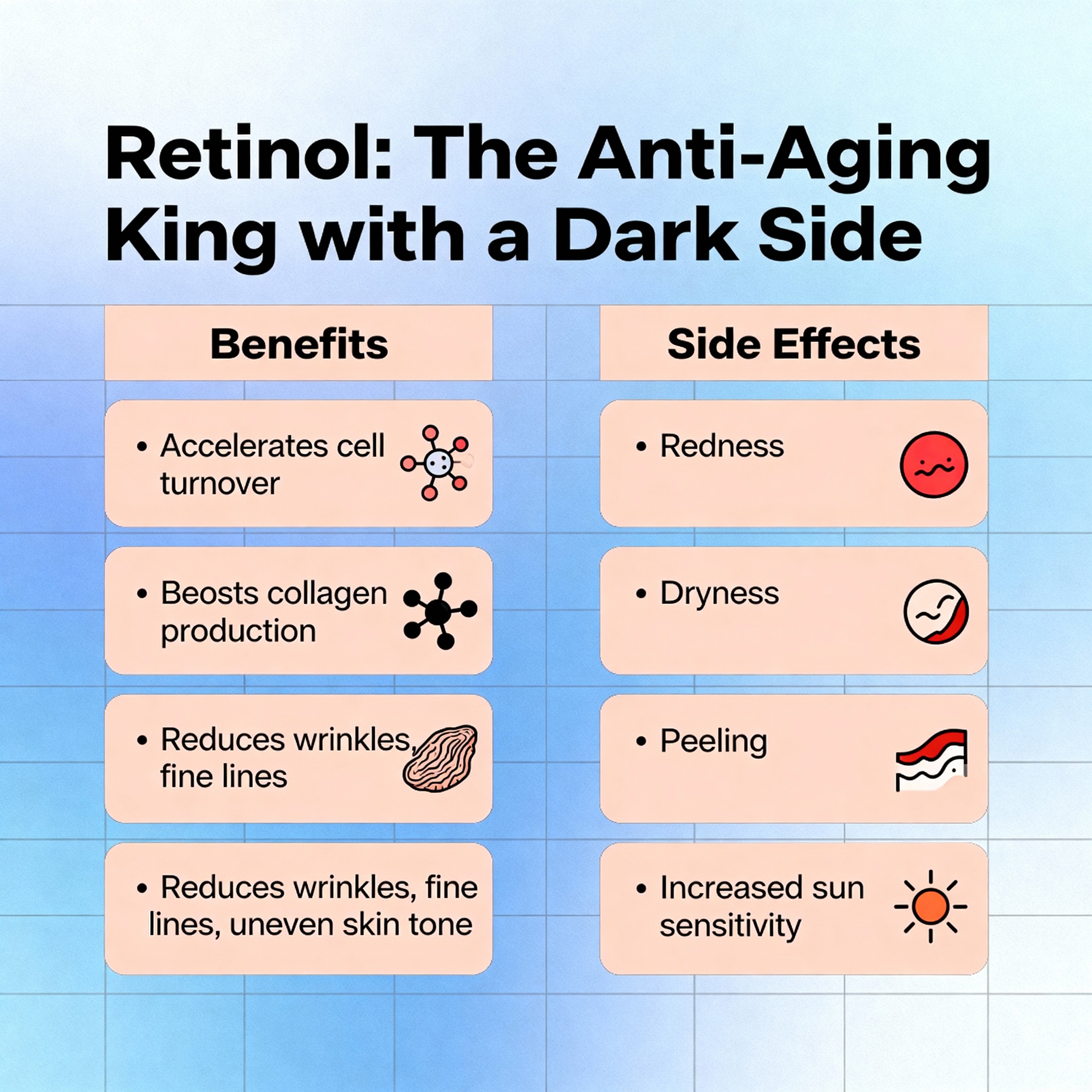
Retinyl palmitate is a retinoid, the same ingredient family as retinol and prescription tretinoin. High doses of vitamin A are a known developmental risk, which is why obstetric guidance is blunt about avoiding retinoids of every strength during pregnancy, even though the theoretical risk from a weak, low-dose topical form is very small. Most doctors frame it simply: there is no benefit worth any uncertainty when safe alternatives exist.
So the situation with classic Bio Oil is not "dangerous product", it is "contains a member of the one ingredient family your doctor told you to skip". Many midwives and dermatologists therefore suggest choosing a retinoid-free oil for the next nine months. If you have already been using it, do not panic: the concentration is low and topical absorption is minimal. Our guide on accidentally using retinol while pregnant walks through exactly this scenario.
| Classic Bio Oil | Certified organic facial/body oil | |
|---|---|---|
| Base | Mineral oil (petroleum-derived) | Plant oils (rosehip, jojoba, grapeseed) |
| Retinoids | Retinyl palmitate (vitamin A family) | None |
| Fragrance | Added parfum | None or naturally derived |
| Pregnancy rule of thumb | Ask your doctor first | Safe by default when retinoid-free |
Does Bio Oil actually prevent stretch marks?
Here is the part no oil brand puts on the label: no product, natural or not, has been proven to prevent stretch marks. Genetics decide most of it. What the evidence does support is that regularly massaging a well-formulated oil or cream into the skin from early pregnancy modestly improves skin elasticity and comfort, and may reduce the severity of marks. In other words, the massage habit matters as much as the bottle, so pick a bottle whose ingredient list you never have to second-guess.

What are the natural alternatives during pregnancy?
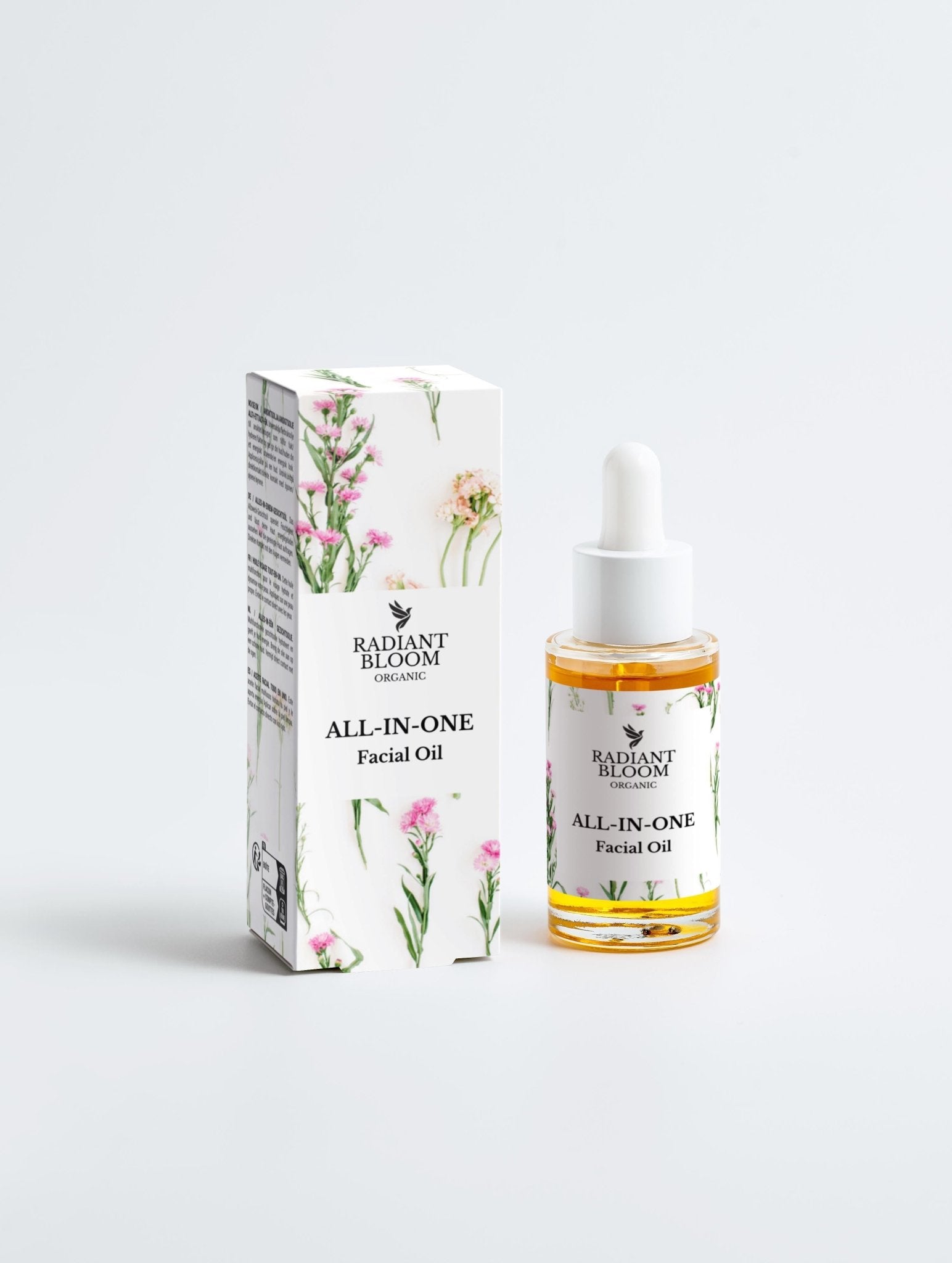
What you want from a pregnancy oil is simple: deep nourishment, skin-identical plant lipids, zero retinoids, and no synthetic fragrance. That is exactly the brief our oils were formulated to:
The pregnancy-proof swap
All-In-One Facial Oil
A retinoid-free organic plant-oil blend for face, bump and anywhere skin is stretching, morning massage approved.
€26.99
Shop facial oil →

For very dry, itchy skin
Nourishing Facial Oil
Richer plant lipids for the tight, flaky phase, seals hydration in overnight without a single questionable ingredient.
€24.99
Shop nourishing oil →

Layer under the oil
Sensitive Skin Moisturiser, 50ml
Fragrance-conscious organic cream for reactive pregnancy skin, the hydrating base your oil locks in.
€24.99
Shop moisturiser →
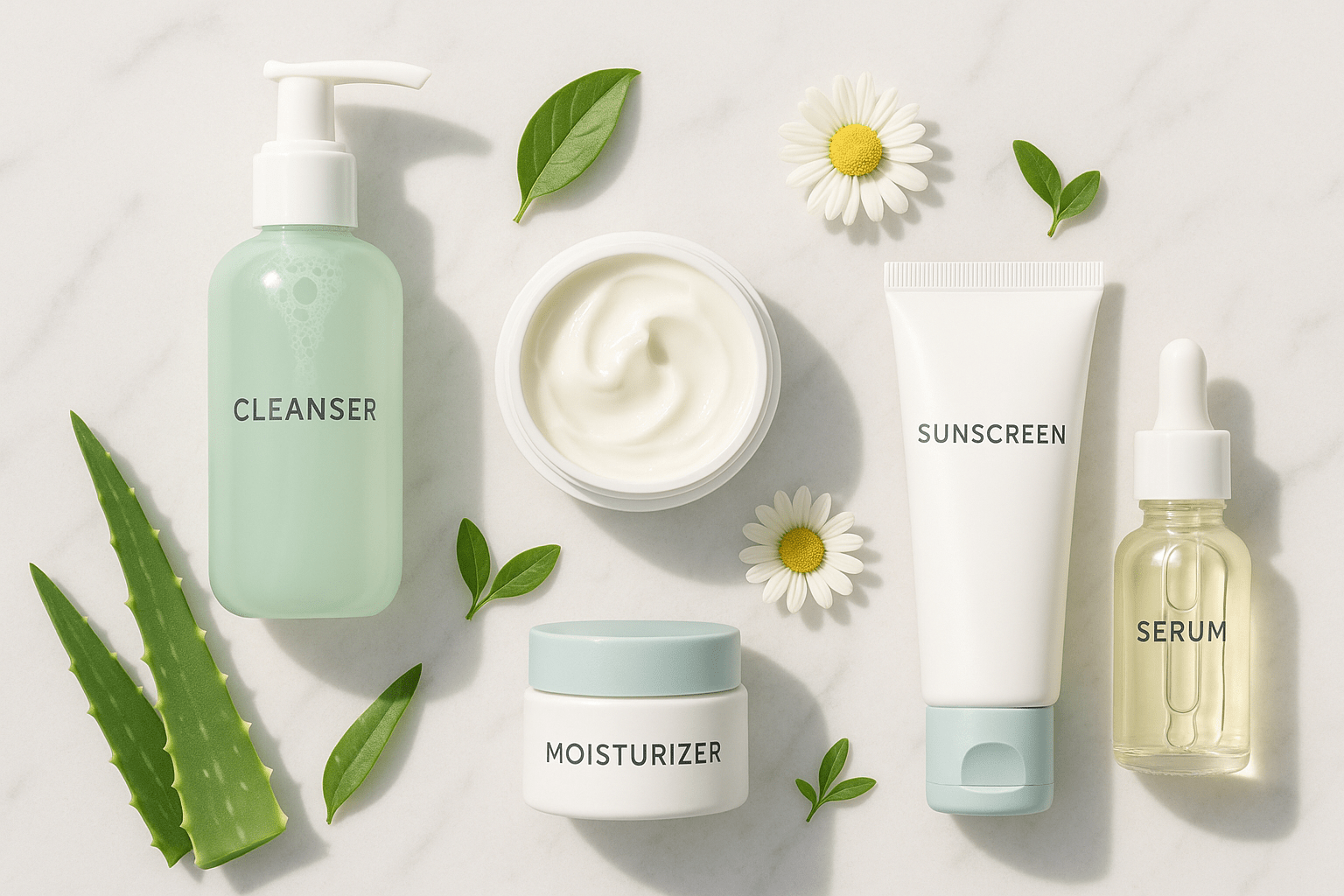
New to pregnancy skincare rules? Start with our golden rules of pregnancy skincare and the full list of ingredients to avoid while pregnant. Heading into summer with a bump? Pair your oil with a pregnancy-safe mineral sunscreen.
Frequently asked questions
Is Bio Oil safe to use during pregnancy?
The manufacturer says yes and many women use it without issue. However, the classic formula contains retinyl palmitate, a vitamin A derivative, so anyone following a strict no-retinoids rule should choose the natural version or a retinoid-free alternative, and confirm with their doctor.
Does Bio Oil contain retinol?
The classic Bio Oil Skincare Oil contains retinyl palmitate, which is not retinol itself but belongs to the same vitamin A (retinoid) family that doctors advise avoiding in pregnancy.
I used Bio Oil before I knew I was pregnant. Should I worry?
No. The retinyl palmitate concentration is low and topical absorption is minimal. Simply switch to a retinoid-free product going forward and mention it at your next appointment for reassurance.
What is better than Bio Oil for stretch marks in pregnancy?
Any nourishing, retinoid-free plant oil applied with daily massage does the same evidence-supported job: improving skin elasticity and comfort. Consistency of the massage ritual matters more than the specific brand.
Can I use Bio Oil while breastfeeding?
Caution levels relax after birth, but many mothers prefer to stay retinoid-free while nursing. If you use any oil while breastfeeding, keep it away from the chest area where your baby feeds.
An oil you never have to double-check
Certified organic, retinoid-free, fragrance-conscious. Made for nine months of peace of mind.
Shop All-In-One Facial Oil →Vegan. Cruelty-free. Retinoid-free.
This article is for general information and is not medical advice. Bio Oil is a trademark of its respective owner; ingredient details reflect publicly listed formulations and may change. Always confirm your routine with your doctor or midwife. For authoritative guidance, see the American College of Obstetricians and Gynecologists.