Cart
0
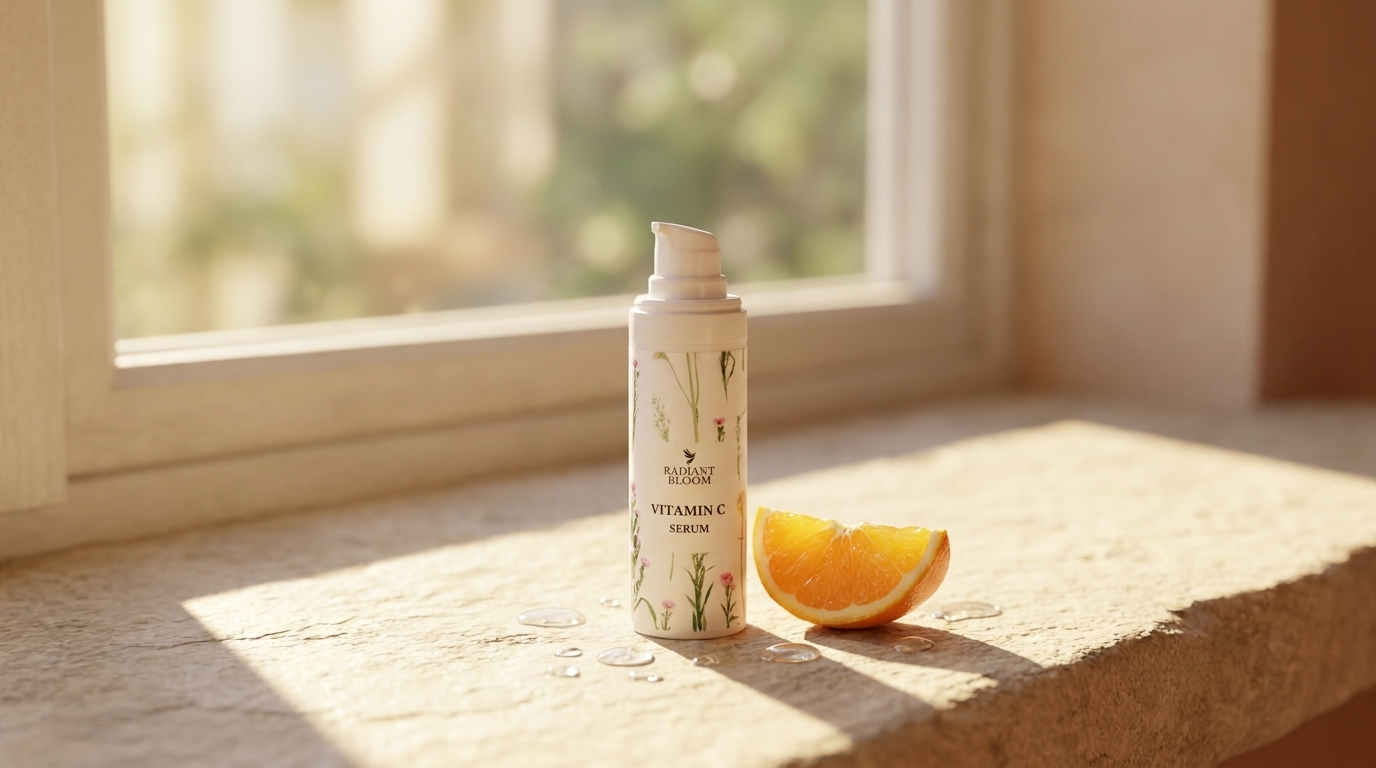
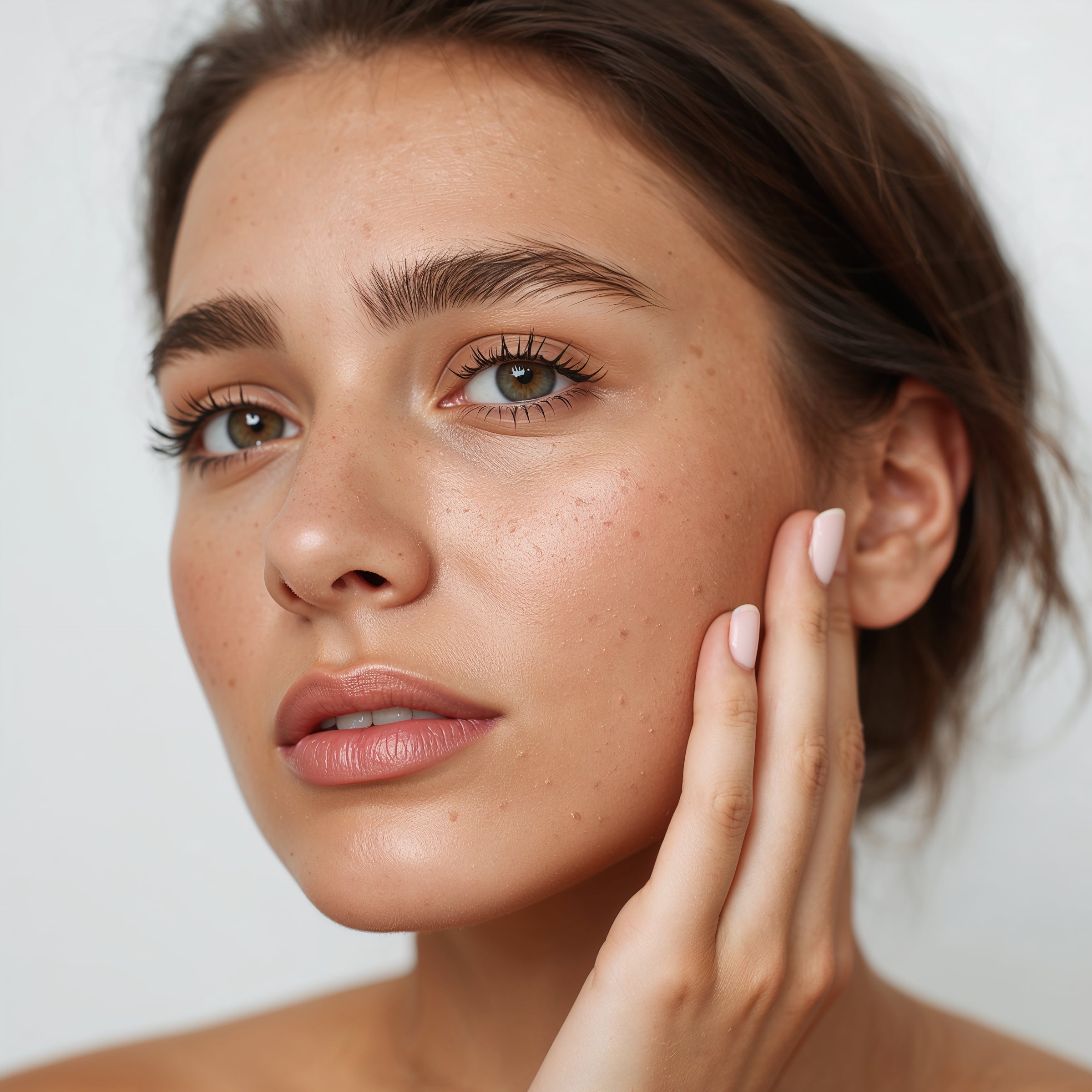
Yes, you can visibly fade most dark spots naturally, but it takes the right ingredients and patience, not a miracle cream. The honest version: daily sunscreen is the single most important step, because without it UV light keeps making new pigment and undoes your progress. On top of that, a small set of proven natural actives, vitamin C, niacinamide, gentle exfoliation and bakuchiol, gradually lighten existing spots and help prevent new ones. Most people see a more even tone in 4 to 12 weeks of consistent use. Persistent patches like melasma are more stubborn and worth a dermatologist visit. Here is exactly what works and how to use it.
In this article
- What is hyperpigmentation, exactly?
- What causes dark spots?
- Which natural ingredients actually fade dark spots?
- Why sunscreen is the step you cannot skip
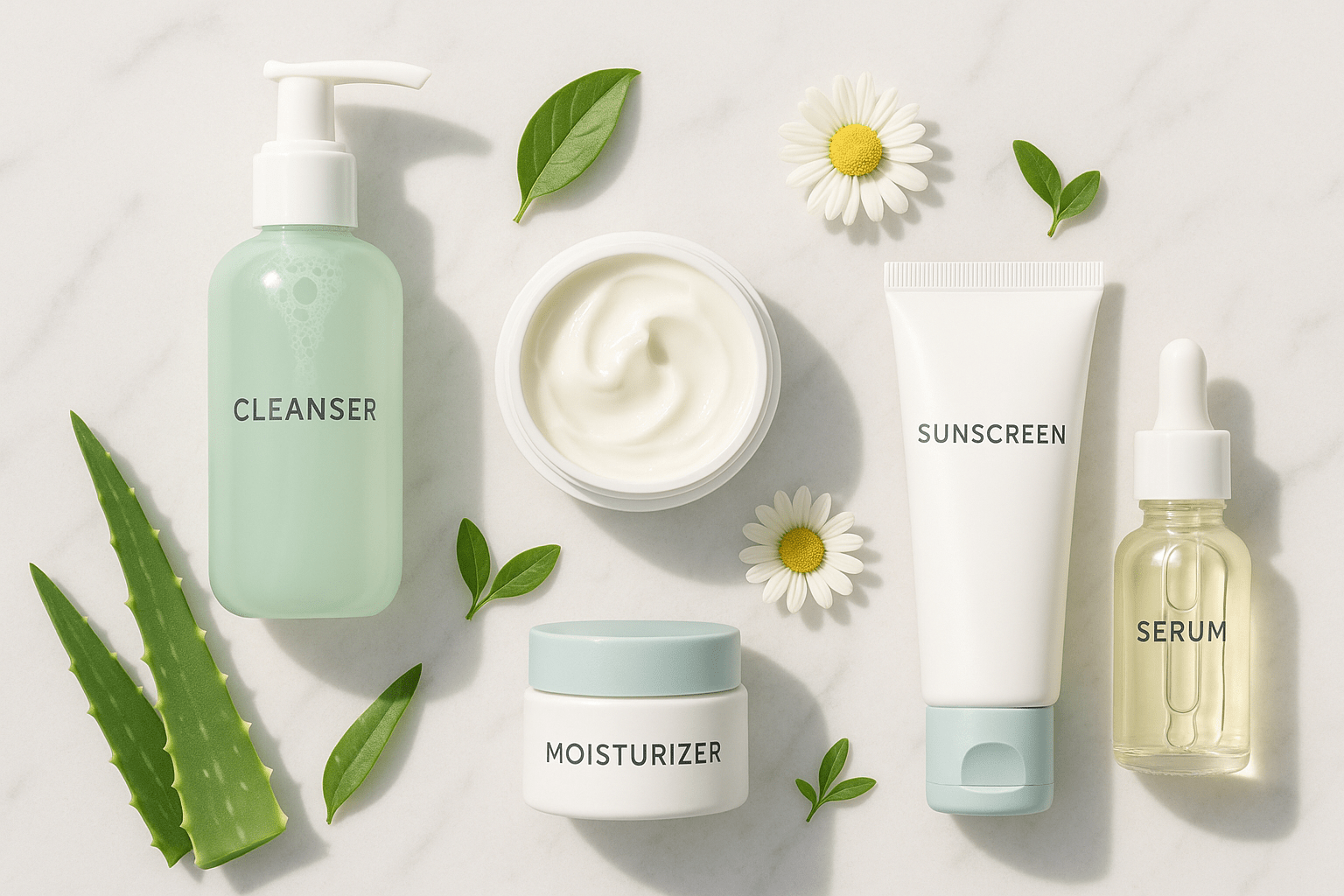
- A simple natural routine to fade dark spots
- How long does it take?
- When to see a dermatologist
- Frequently asked questions
What is hyperpigmentation, exactly?
Hyperpigmentation simply means some areas of your skin produce more melanin (pigment) than the skin around them, leaving dark spots, patches or marks. It is extremely common and almost always harmless. There are three types most people deal with: sun spots (also called age spots, from years of UV exposure), post-inflammatory hyperpigmentation or PIH (the marks left behind after a spot, a bug bite or irritation), and melasma (larger, often symmetrical patches usually driven by hormones). Knowing your type matters, because it changes how quickly you can expect results.
What causes dark spots?
Four main triggers are behind almost all hyperpigmentation:
- Sun exposure: by far the biggest cause. UV light tells your skin to make more melanin, which is why spots darken in summer.
- Post-acne marks (PIH): any inflammation, especially a picked or squeezed blemish, can leave a flat brown or pink mark.
- Hormones: pregnancy, the contraceptive pill and hormonal shifts can trigger melasma.
- Ageing and pollution: skin renewal slows over time and oxidative stress from pollution makes uneven tone more visible.
If your pigmentation appeared with hormonal changes or around midlife, our guide to perimenopause skin changes covers the wider picture.
Which natural ingredients actually fade dark spots?
You do not need harsh bleaching agents. These four gentle actives are the ones with real evidence behind them.
1. Vitamin C. The standout for pigmentation. Vitamin C interrupts tyrosinase, the enzyme that drives melanin production, so it both fades existing spots and helps stop new ones forming. It is also an antioxidant, which means it boosts the protection your sunscreen gives during the day. Use it every morning.
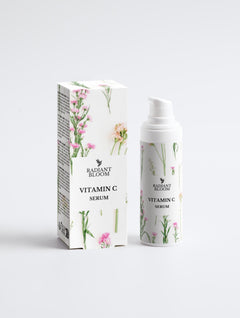
Best for brightening · Morning
Vitamin C Serum
An antioxidant-rich serum that helps fade the look of dark spots and supports a brighter, more even-looking tone over time. Apply on clean skin each morning, before your moisturiser and SPF.
€24,99
Shop Vitamin C Serum →
2. Niacinamide. A gentle form of vitamin B3 that works differently: it reduces how much pigment is passed to the surface skin cells, which evens tone and softens dark patches. It suits sensitive skin and, despite an old myth, pairs perfectly well with vitamin C. Learn more in our post on what niacinamide does for skin.
3. Gentle exfoliation. Pigment sits partly in the surface layers of skin, so regular, gentle exfoliation with an acid like glycolic helps lift those marks and speeds up fading. The key word is gentle, over-scrubbing causes more inflammation and more pigment. Our guide to glycolic acid explains how to use it safely.
4. Bakuchiol. A natural, plant-based alternative to retinol that gently speeds up cell turnover, helping faded skin cells move on and revealing fresher, more even-looking skin. Because it is far gentler than retinol, it is a good night-time option for sensitive or pigmentation-prone skin. See how it compares in bakuchiol vs retinol.
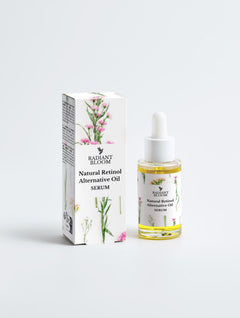
Gentle cell turnover · Night
Organic Bakuchiol Serum
A plant-based retinol alternative that supports natural cell renewal to help reveal smoother, more even-looking skin, without the irritation retinol can cause. Use a few drops in the evening.
€34,99
Shop Bakuchiol Serum →
Why sunscreen is the step you cannot skip
This is the part most people get wrong. You can use every brightening serum on the market, but if you skip sun protection, UV exposure keeps stimulating the pigment you are trying to fade, and your spots come straight back. Dermatologists and the American Academy of Dermatology consistently name daily broad-spectrum sunscreen as the foundation of any plan to fade dark spots. Apply a broad-spectrum SPF every morning as your final step, and reapply through the day. Our complete guide to mineral sunscreen walks through how, and you can browse the Sun Care range here. Think of sunscreen as the lid on the jar: without it, nothing else stays.
A simple natural routine to fade dark spots
Consistency beats complexity. Here is a realistic daily routine.
Morning
- Cleanse with a gentle natural cleanser.
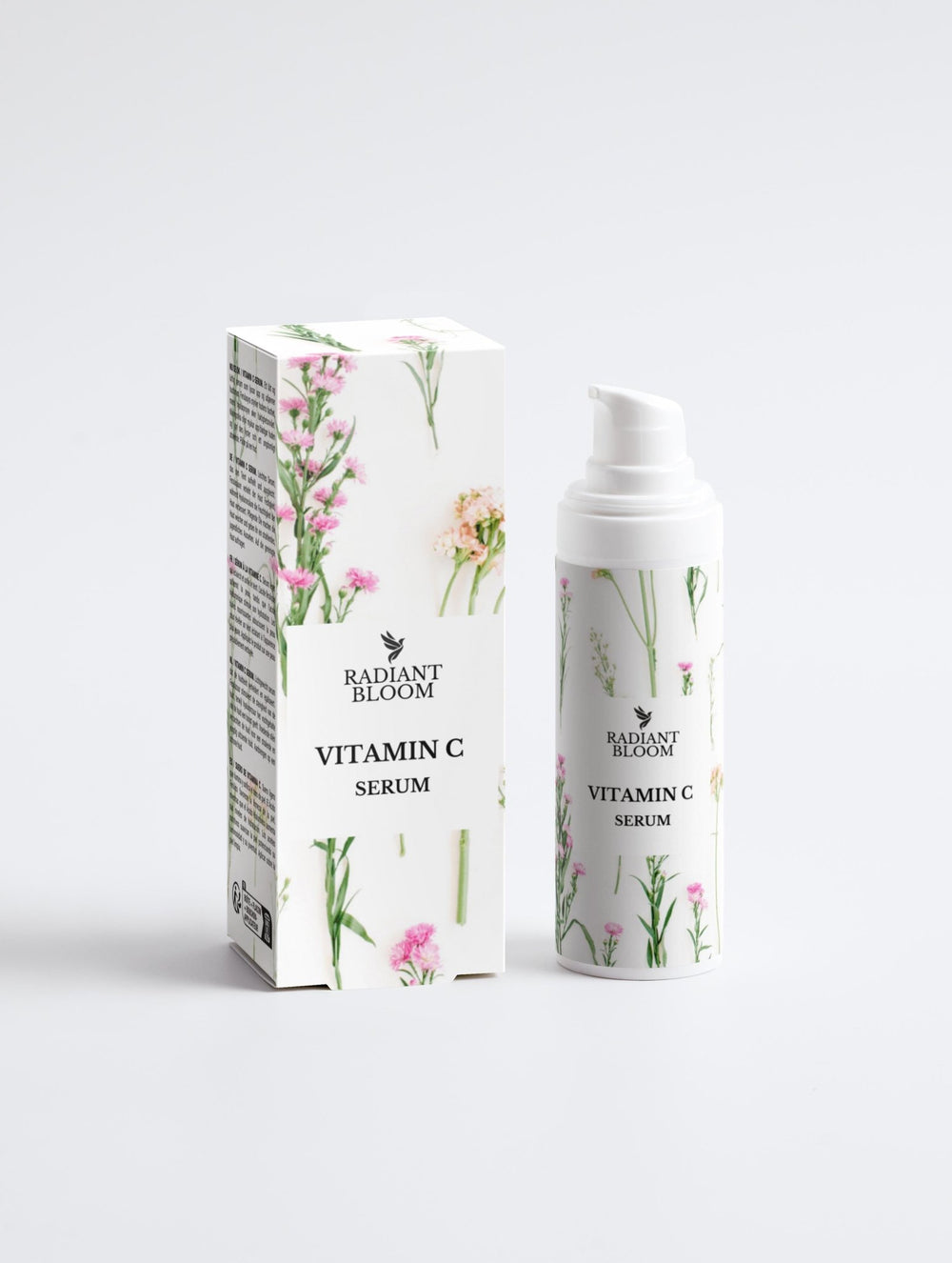
- Apply your Vitamin C Serum.
- Moisturise.
- Finish with broad-spectrum SPF, every single day.
Evening
- Cleanse.
- A few nights a week, use gentle exfoliation or your Bakuchiol Serum (not both on the same night, to avoid irritation).
- Moisturise to support your skin barrier.
Introduce one new active at a time, and always patch test first.
How long does it take to fade dark spots?
Natural actives work gradually, not overnight. With daily use and sun protection, most people notice a more even tone within a few weeks and clearer fading of spots between 4 and 12 weeks. Fresh post-acne marks tend to fade faster, while sun spots and especially melasma are deeper and slower, sometimes taking several months. The realistic mindset is maintenance, not a one-off cure: keep up daily SPF and at least one brightening active, or pigmentation can gradually return.
| Ingredient | What it does | When to use |
|---|---|---|
| Vitamin C | Slows melanin production, brightens, boosts SPF | Morning |
| Niacinamide | Reduces pigment transfer, evens tone, gentle | Morning or night |
| Gentle exfoliation | Lifts surface pigment, speeds renewal | A few nights a week |
| Bakuchiol | Gentle cell turnover, reveals fresher skin | Night |
| Sunscreen | Prevents new spots, protects your progress | Every morning, reapply |
When to see a dermatologist
Most everyday dark spots respond well to a patient, natural routine. See a dermatologist if your pigmentation is widespread or symmetrical (possible melasma), if it is not improving after a few months, or if a spot changes shape, colour or size, which should always be checked. Prescription options such as hydroquinone exist and work quickly, but they can irritate and need to be cycled under medical supervision, which is exactly why a gentle vitamin C, niacinamide and sunscreen routine is the more sustainable everyday approach for most people.
Frequently asked questions
What is the fastest way to fade dark spots naturally?
Combine a morning vitamin C serum with daily broad-spectrum sunscreen, and add gentle exfoliation or bakuchiol at night. Sunscreen is what makes the rest work, skip it and progress stalls. There is no overnight fix, but this combination gives the quickest realistic results.
Does vitamin C fade dark spots, and how long does it take?
Yes. Vitamin C slows the enzyme that produces melanin, so it gradually fades existing spots and helps prevent new ones. Most people see visible improvement in 4 to 12 weeks of daily use, with deeper pigmentation taking longer.
Can you use vitamin C and niacinamide together?
Yes. The idea that they cancel each other out is an outdated myth. They work well together and even complement each other for brightening. If your skin is sensitive, you can simply use vitamin C in the morning and niacinamide at night.
Will dark spots come back?
They can, especially melasma, which is hormone driven. The fix is maintenance rather than a one-time cure: keep wearing daily sunscreen and using at least one brightening active to hold your results.
Is hyperpigmentation permanent?
Most surface pigmentation, like post-acne marks and sun spots, fades with consistent care. Deeper or hormonal pigmentation can be more stubborn and may need professional treatment, but it is rarely truly permanent with the right long-term routine.
Can I fade dark spots without sunscreen?
Not reliably. Without sun protection, UV exposure keeps producing the pigment you are trying to remove, so your spots return as fast as they fade. Sunscreen is non-negotiable for any pigmentation routine.
Even, glowing tone
Build your brightening routine
Vitamin C, gentle bakuchiol and daily sun care, vegan, cruelty-free and certified natural. New customers get 15% off the first order.
Shop serums & oils →Free worldwide shipping on orders over €45.
This article is for general information only and is not medical advice. If you are pregnant, have a skin condition, or are unsure about a spot or patch, please speak to a qualified healthcare professional.