Cart
0
You cannot change the size of your pores, because pore size is set by genetics. What you can change is how visible they are: keep them clear so they do not stretch, support collagen so the skin around them stays firm, control excess oil, and protect against sun damage. Done consistently, that makes pores look noticeably smaller within about 6 to 8 weeks, even though the pores themselves have not shrunk.
In this article: why pores look large, what you can and cannot change, the ingredients that help, a daily routine, what to avoid, and an FAQ.
Why do my pores look so large?
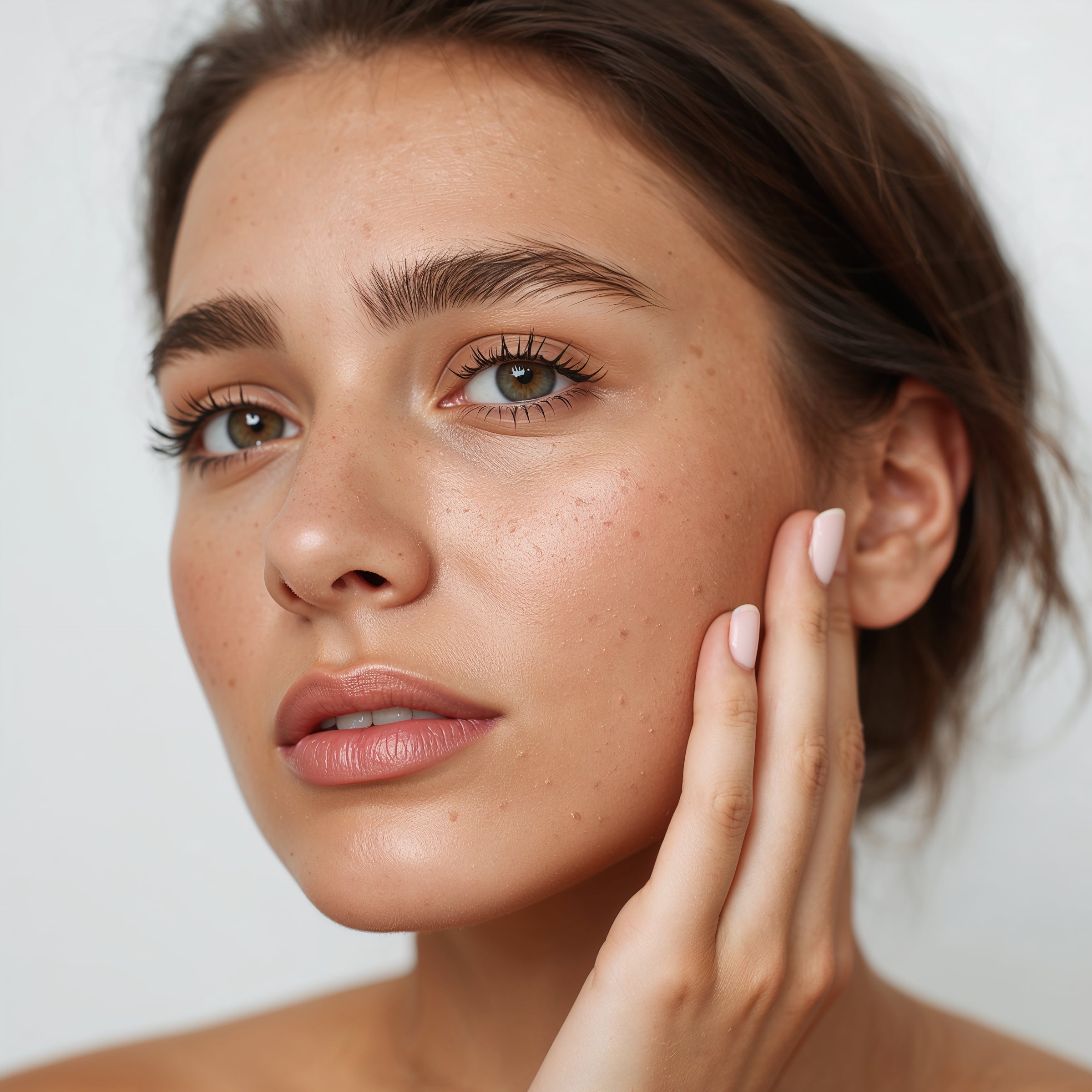
Pores are the openings of hair follicles, and everyone has them. They become more noticeable for four main reasons, usually in combination.
| Reason | What is happening | Can you change it? |
|---|---|---|
| Genetics | Your baseline pore size and oil production are inherited | No, but you can change how they look |
| Oil production | More sebum widens the opening and makes it more visible | Yes, partly |
| Congestion | A pore filled with oil and dead skin is stretched open | Yes |
| Loss of firmness | Collagen decline and sun damage let pores sag and look bigger | Yes, with prevention |
That fourth point explains something people find confusing: pores often look larger with age even when skin gets less oily. The pore has not grown. The skin supporting it has lost firmness, so the opening no longer holds its shape.
Can you actually shrink your pores?
No, and it is worth being clear about this because a lot of marketing implies otherwise. Pores have no muscle, so they do not open and close, and nothing topical permanently reduces their diameter. Cold water does not close them, and steam does not open them. What both do is temporarily change how skin looks by affecting blood flow and swelling.
What genuinely works is reducing the two things that make pores conspicuous: what is inside them, and how firm the skin around them is. That is where your effort should go.
Which ingredients minimise the look of pores?
- Salicylic acid (BHA): oil-soluble, so it clears inside the pore and stops it stretching.
- Glycolic acid (AHA): smooths the surface and improves how light reflects off skin, which softens the appearance of texture.
- Niacinamide: helps regulate oil and supports the skin barrier, one of the better-evidenced ingredients for pore appearance.
- Antioxidants: protect collagen from the daily damage that lets pores sag.
- Sunscreen: the most effective long-term step. UV breaks down the collagen that keeps pores tight-looking.

Daily · Refine
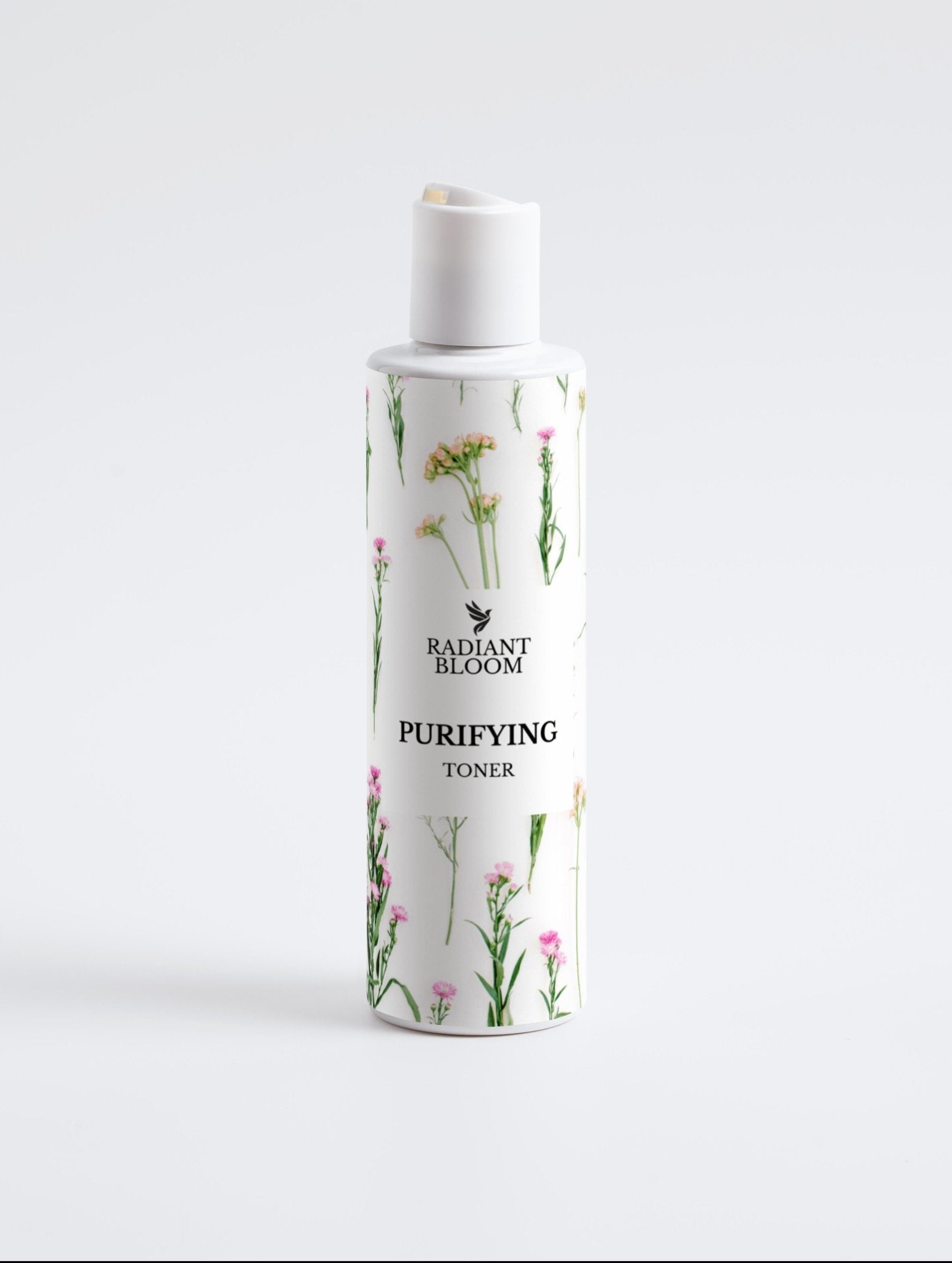
Purifying Toner
Sweeps away residual oil and refines the look of the T-zone after cleansing, without the tight, stripped feeling of an alcohol-heavy toner.
View product →A routine for less visible pores
- Cleanse twice a day, gently. Removing excess oil and residue stops pores filling and stretching. Harsh cleansers backfire by triggering more oil.
- Tone the oily zones. A purifying toner on the nose, chin and forehead keeps the T-zone clear without drying the whole face.
- Exfoliate 2 to 3 times a week. This is the step that empties congested pores so they can contract back toward their natural size.
- Hydrate anyway. Even oily skin needs moisture. Plump, well-hydrated skin makes pore openings less obvious; dehydrated skin emphasises every dip in texture.
- Wear SPF every day. The single best long-term investment for keeping pores looking tight, because it protects collagen.

Daily · Hydrate
Oil-Free Hydrating Gel
Lightweight hydration for oily and combination skin. Plumps and smooths without the heaviness that makes pores look more obvious.
View product →What makes pores look worse?
- Over-cleansing and stripping. Skin compensates by producing more oil, and a damaged barrier looks rougher.
- Heavy, occlusive makeup left on overnight. Reliably fills and stretches pores.
- Picking and squeezing. Damages the pore wall so it stays permanently more open.
- Skipping sunscreen. The biggest long-term contributor to sagging, enlarged-looking pores.
- Harsh scrubs. Irritation and inflammation make texture more noticeable, not less.
Do professional treatments help?
They can, for people who want faster or more dramatic results. Chemical peels, microneedling and certain laser treatments improve pore appearance mainly by stimulating collagen, which firms the skin around the opening. They are more effective than any cream, but also more expensive and require a qualified practitioner. For most people, a consistent routine plus daily SPF delivers a meaningful improvement at a fraction of the cost.
Frequently asked questions
Can you permanently shrink large pores?
No. Pore size is genetic and cannot be permanently reduced. You can make pores look considerably smaller by keeping them clear, controlling oil and protecting collagen.
Does cold water close your pores?
No. Pores have no muscle and do not open or close. Cold water temporarily reduces redness and swelling, which can make skin look smoother for a short while.
Why do my pores look bigger as I get older?
Because collagen declines and sun damage accumulates, so the skin supporting each pore loses firmness and the opening sags. Daily sunscreen is the best prevention.
Do pore strips make pores bigger?
They can make them look worse over time. Strips remove only the surface plug and repeated use irritates the surrounding skin, while the pore refills within days.
Is niacinamide good for large pores?
Yes, it is one of the better-supported ingredients. It helps regulate oil production and strengthens the barrier, which together reduce how visible pores are.
· · ·