Cart
0
Pregnancy-safe skincare comes down to one simple framework: keep the hydrators, brighteners and gentle exfoliants, drop the retinoids and a short list of high-absorption ingredients, and add daily mineral SPF. Everything else is detail. This guide is the complete map: every ingredient you can trust, everything to shelve, and a full morning and evening routine for all nine months, with links to our ingredient-by-ingredient deep dives.
In this article
- Which skincare ingredients are safe during pregnancy?
- Which ingredients should you avoid?
- What does a full pregnancy-safe routine look like?
- Do the rules change by trimester?
- FAQ
Which skincare ingredients are safe during pregnancy?
The safe list is longer than most first-time moms expect. These are the ingredients obstetric guidance and dermatologists consistently green-light, each linked to our full deep dive:
| Ingredient | What it does | Deep dive |
|---|---|---|
| Hyaluronic acid | Deep hydration, plumping | HA in pregnancy |
| Niacinamide | Barrier support, oil balance, redness | Niacinamide in pregnancy |
| Vitamin C | Brightening, antioxidant protection | Safe every morning under SPF |
| Glycolic acid (under 10%) | Gentle exfoliation, glow, breakouts | Glycolic acid in pregnancy |
| Bakuchiol | Plant-based retinol alternative for lines and firmness | Bakuchiol in pregnancy |
| Zinc oxide (mineral SPF) | Sun and melasma protection | Mineral sunscreen in pregnancy |
| Azelaic acid | Breakouts and pigmentation | On obstetric safe lists |
| Plant oils and squalane | Nourishment, bump massage | Choosing a pregnancy oil |

Your retinol, on maternity leave
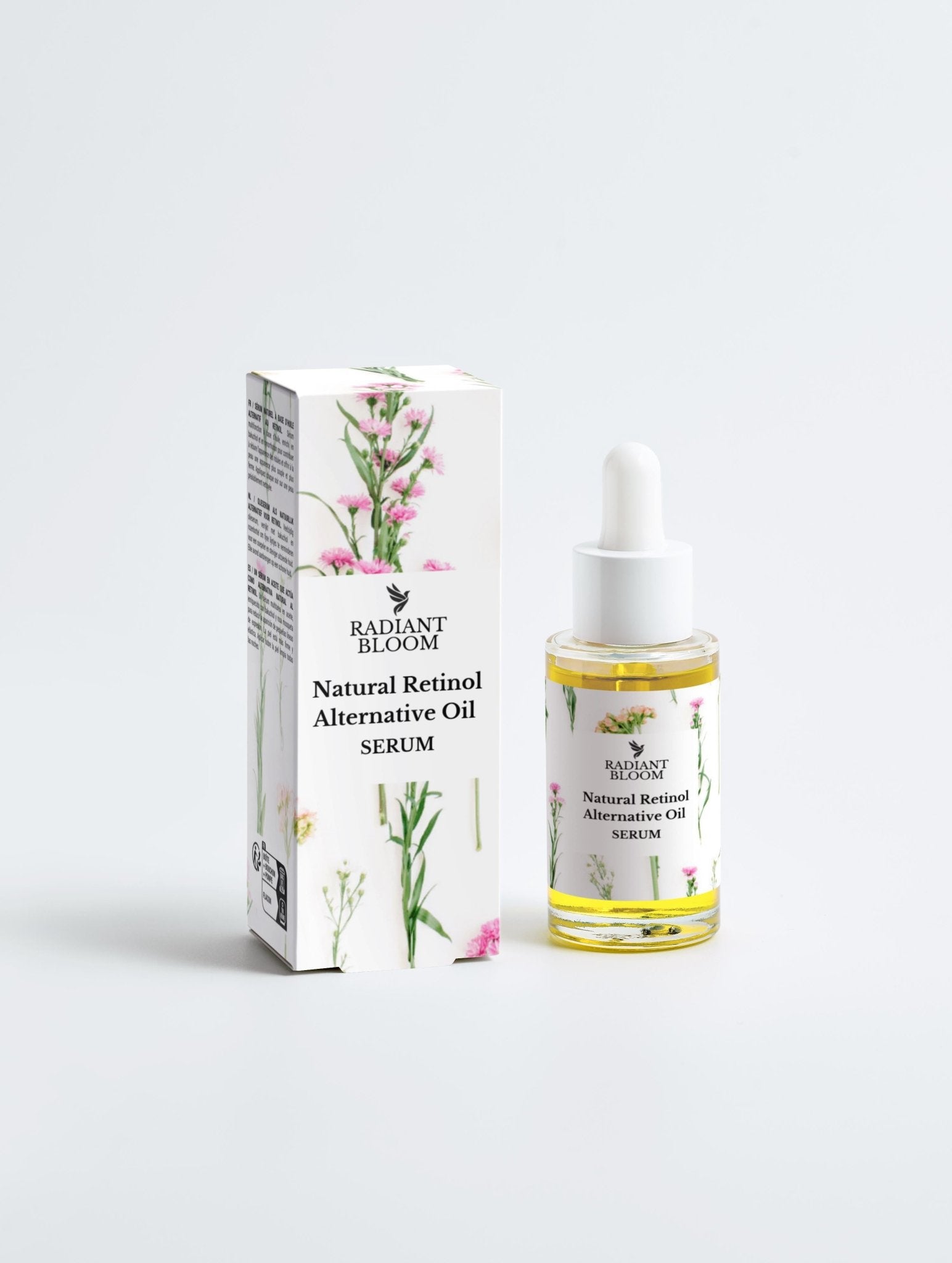
Organic Bakuchiol Oil Serum
The plant-based retinol alternative formulated to be pregnancy-safe, so your anti-aging routine never has to pause.
€34.99
Shop bakuchiol →
Which ingredients should you avoid?
The avoid list is short but firm:
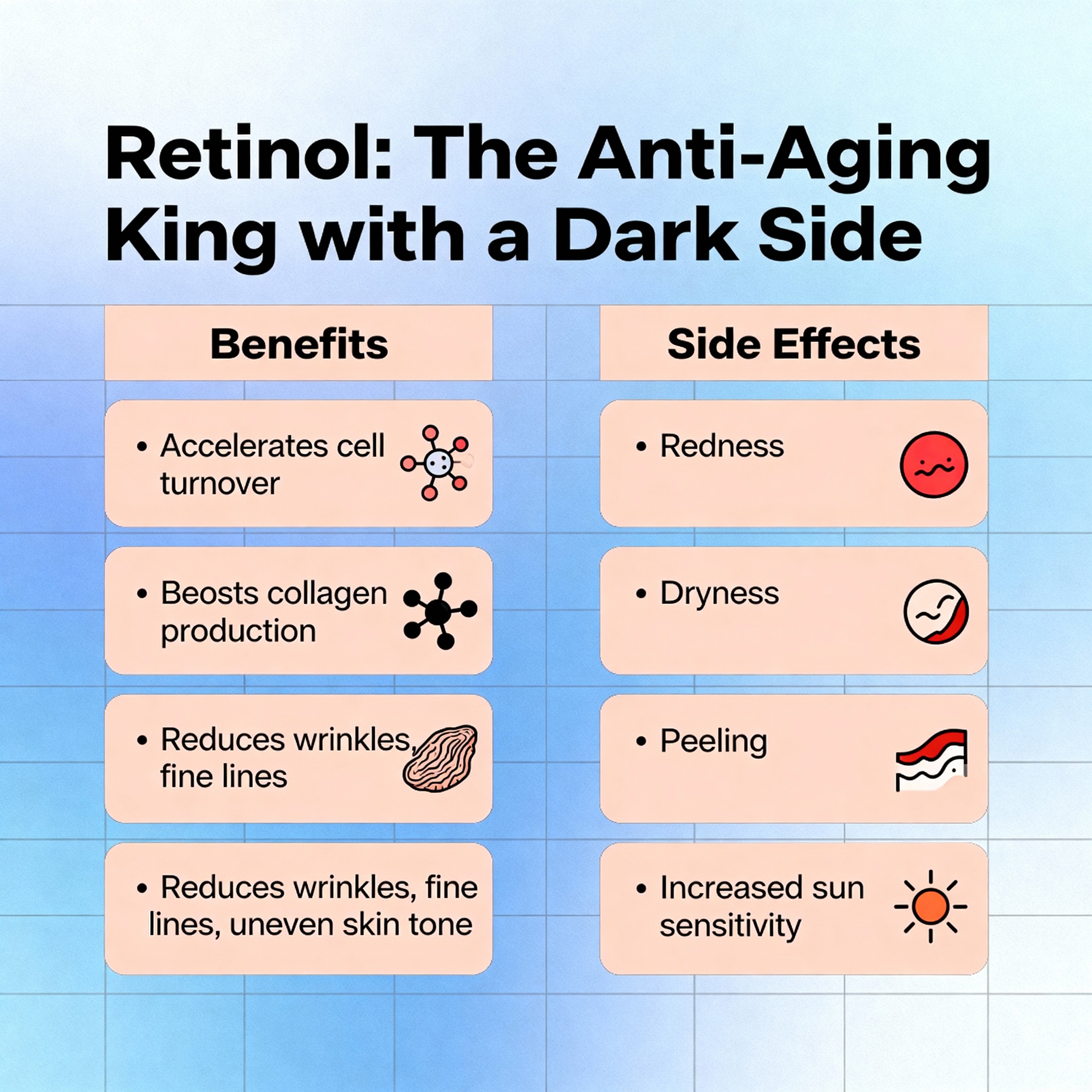
- Retinoids, all of them. Retinol, retinal, tretinoin, adapalene, retinyl palmitate. Vitamin A derivatives are the one non-negotiable. Slipped up before you knew? Read our guide on accidentally using retinol while pregnant before you worry.
- Hydroquinone. Unusually high skin absorption; save pigmentation correction for later.
- High-dose salicylic acid. Low-percentage wash-off cleansers are fine; strong leave-on treatments and peels are not.
- Chemical UV filters like oxybenzone. Not banned, but mineral SPF avoids the question entirely.
- Professional-strength peels and injectables. Postpone until after birth.
The complete rundown with label-reading tips lives in what skincare to avoid while pregnant.

What does a full pregnancy-safe routine look like?
Morning: gentle cleanse, vitamin C or hydrating serum, moisturiser, mineral SPF 30. Evening: gentle cleanse, bakuchiol or hydrating serum, moisturiser, facial oil on the face and the bump. Two or three nights a week: swap the serum step for a low-strength glycolic exfoliant. That is the whole architecture; the golden principles behind it are in our golden rules of pregnancy skincare.
Step one, both routines
Sensitive Skin Oil-To-Milk Cleanser
Non-stripping cleansing for skin that suddenly reacts to everything.
€24.99
Shop cleanser →

The everyday workhorse
Hydrating Serum
Lightweight organic hydration, morning and night, all trimesters.
€24.99
Shop serum →

The non-negotiable finish
Mineral Sunscreen SPF30 for Face & Body
Zinc-based broad-spectrum protection, the single best defence against pregnancy melasma.
€29.99
Shop SPF30 →
Do the rules change by trimester?
Not really, and that is good news. The avoid list applies from the moment you know you are pregnant, and the safe list is safe throughout. What does change is your skin itself: many women get drier and more reactive in the first trimester, glowier in the second, and more pigmentation-prone in the third summer months. Adjust textures (richer moisturiser, more hydration) rather than ingredients, and stay religious about SPF as your melasma risk rises.
Frequently asked questions
What is the best anti-aging ingredient during pregnancy?
Bakuchiol. It is a plant-derived retinol alternative with clinical evidence behind it and none of the vitamin A concerns, which is why it anchors most pregnancy-safe anti-aging routines.
Can I treat pregnancy acne safely?
Yes. Azelaic acid, low-strength glycolic acid and gentle cleansing are the doctor-approved trio. Skip strong leave-on salicylic treatments and all retinoids.
Do I really need to change my sunscreen?
If yours is a chemical-filter formula, switching to mineral (zinc oxide) is the cautious choice most doctors suggest, and it doubles as your best melasma prevention.
Is fragrance in skincare dangerous during pregnancy?
Not dangerous to the baby, but pregnancy skin and noses are often newly sensitive, so fragrance-free or naturally scented formulas are simply more comfortable.
When can I go back to my old routine?
Some ingredients return after birth, others wait until you finish breastfeeding. We cover exactly what unlocks when in our breastfeeding skincare guide.
Nine months of certainty
Certified organic, vegan skincare with nothing on the avoid list. Build your pregnancy routine once and relax.
Shop Pregnancy-Safe Favourites →Vegan. Cruelty-free. Retinoid-free.
This article is for general information and is not medical advice. Always confirm your routine with your doctor or midwife. For authoritative guidance on skin conditions in pregnancy, see the American College of Obstetricians and Gynecologists.