Cart
0
Niacinamide is vegan. It is a form of vitamin B3 that is manufactured synthetically for use in skincare, with no animal involvement in its production, so the active itself is suitable for vegans across every brand that uses it. Since niacinamide is one of the most popular ingredients in modern skincare, praised for calming redness, supporting the skin barrier, refining the look of pores and helping with oil balance, it is reasonable to want that confirmed. The only real nuance is the familiar one: the niacinamide is vegan, but the rest of the serum or moisturiser it sits in still needs checking, because niacinamide is often paired with other ingredients, some of which can be animal-derived. This guide confirms the answer, explains where niacinamide comes from, what to check alongside it, and how to use it well.
In this article
- Is niacinamide vegan?
- Where does niacinamide come from?
- What to check alongside it
- How do you use niacinamide properly?
- Frequently asked questions
Is niacinamide vegan?
Yes. Niacinamide (also called nicotinamide, INCI name Niacinamide) is a water-soluble form of vitamin B3. The niacinamide used in cosmetics is produced synthetically in a lab through well-established chemical processes, not extracted from any animal or plant tissue. This means it is consistently vegan regardless of the brand, and it is also vegetarian-friendly and suitable for most other dietary preferences. Unlike ambiguous ingredients such as glycerin or stearic acid, which have both plant and animal versions, cosmetic niacinamide has a single synthetic origin, so there is no hidden animal version to look out for.
Where does niacinamide come from?
Niacinamide is manufactured from precursor compounds through controlled chemical synthesis, the same reliable industrial route used for many cosmetic vitamins. Making it in a lab rather than extracting it has real advantages: the result is pure, stable, consistent from batch to batch, and free of the contamination risks that come with animal or botanical sourcing. This is the same logic behind lab-made vitamin C and fermented hyaluronic acid, where the manufactured version is simply better for skincare than any extracted one, as our hyaluronic acid guide explains. So niacinamide being synthetic is a point in its favour, not a compromise.
What to check alongside it
The niacinamide is settled; the formula around it is where to look. Niacinamide is rarely used alone, and its common partners vary in vegan status:
| Common partner ingredient | Vegan status |
|---|---|
| Niacinamide | Always vegan, synthetic |
| Hyaluronic acid, zinc | Vegan (HA now fermented, zinc mineral) |
| Glycerin | Ambiguous, plant or animal |
| Collagen | Animal-derived, sometimes added for firmness |
| Honey, snail mucin | Not vegan, added for glow and soothing |
A single vegan certification confirms the whole formula at once, which is the shortcut worth using, as our label-reading guide covers.

Niacinamide for oily skin
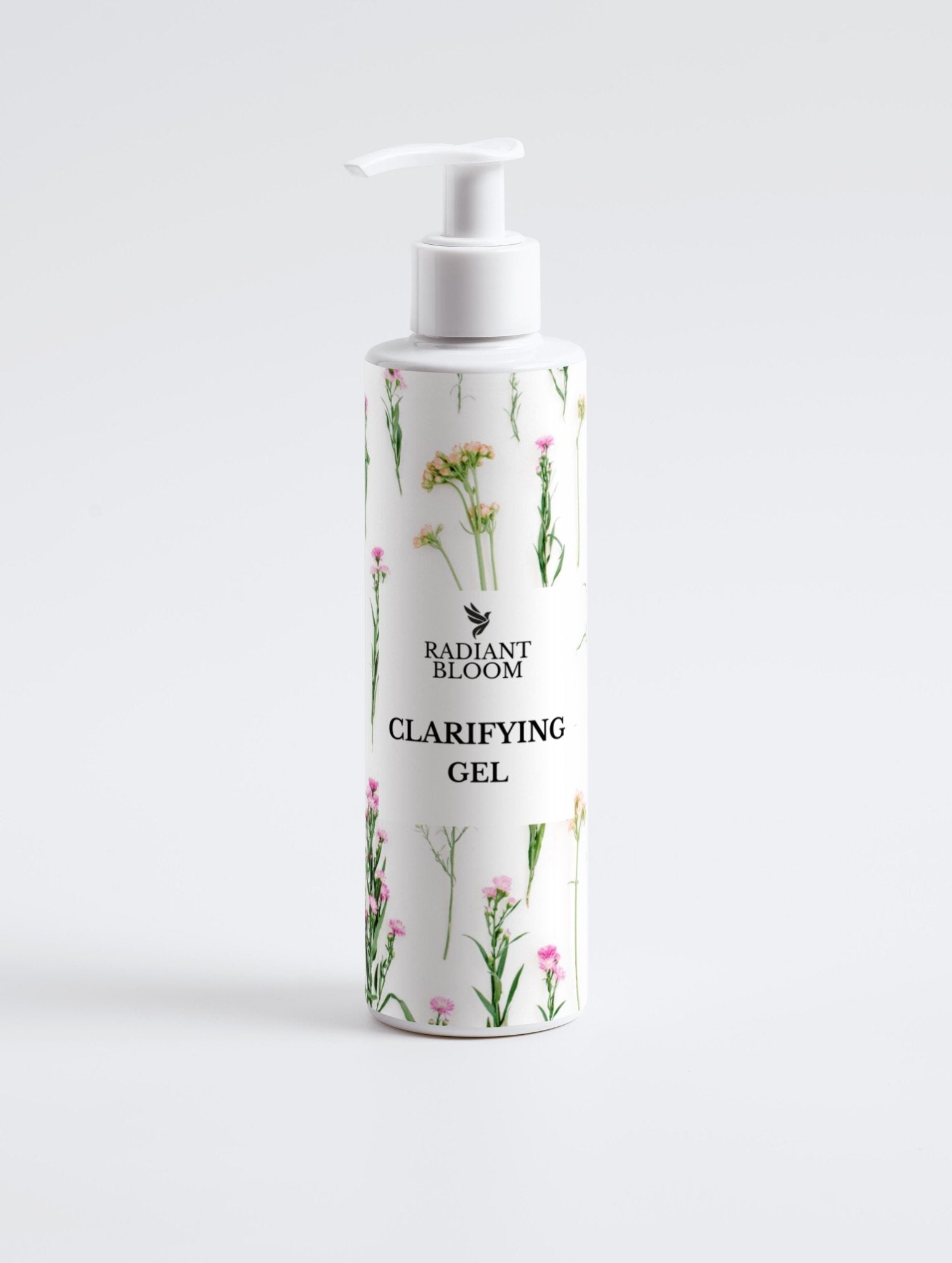
Clarifying GelA lightweight vegan gel that helps balance oil and calm the look of blemish-prone skin.
€19.99Shop Now →

Barrier support, calmly
Acne Care MoisturizerA light vegan moisturiser that hydrates and supports blemish-prone skin without clogging.
€22.90Shop Now →
How do you use niacinamide properly?
- Morning, evening or both. Niacinamide is one of the most flexible actives, well tolerated at either time of day.
- It layers with almost everything. The old myth that niacinamide cannot be used with vitamin C came from outdated raw forms; modern formulas pair the two happily. It also sits well with hyaluronic acid and bakuchiol.
- Apply after cleansing and toning, before heavier creams. As a water-based step it goes on early, following the order in our routine guide.
- Start moderate. Very high percentages can cause flushing in sensitive skin; a moderate level daily is more comfortable and just as effective.
- Give it a few weeks. Oil balance and redness improve gradually, with pore and tone changes over one to two months of consistent use.
Frequently asked questions
Is niacinamide vegan?
Yes. Niacinamide is a synthetic form of vitamin B3 made in a lab, with no animal involvement. It is consistently vegan across brands, since there is no animal-derived version used in cosmetics.
Is niacinamide the same as niacin or vitamin B3?
Niacinamide is one form of vitamin B3, also called nicotinamide. In skincare it is preferred over niacin because it is gentler and less likely to cause flushing.
Is synthetic niacinamide worse than a natural one?
No, and there is no natural version used in cosmetics. Synthesised niacinamide is pure, stable and consistent, which is exactly what you want from an active ingredient.
Can I use niacinamide with vitamin C?
Yes. The incompatibility claim comes from old, unstable formulations. Modern niacinamide and vitamin C work well together, and many routines use vitamin C in the morning and niacinamide at either time.
Does niacinamide help with oily or acne-prone skin?
It can. Niacinamide supports the skin barrier, helps balance oil and calms the look of redness, which is why it features in products for blemish-prone skin. Our acne-prone skincare guide covers the full routine.
Proven actives, always vegan
Niacinamide and the balancing routine around it, cruelty-free and organic.
Shop Vegan Skincare →Free worldwide shipping on orders over €45. Vegan, cruelty-free and organic.