Cart
0
Shea butter is vegan. It is a plant fat pressed from the nuts of the shea tree, which grows across West Africa, so there is no animal involvement in the butter itself at any point. That is the simple, reassuring answer, and it is worth stating plainly because shea butter is one of the most common moisturising ingredients in skincare, appearing in creams, body butters, lip balms and hair masks. So why does the question come up at all? Partly because people are right to double-check anything in a moisturiser, since that is exactly where non-vegan ingredients like lanolin and beeswax love to hide, and partly because a shea butter product can still contain other animal-derived ingredients alongside the shea. This guide confirms the answer, explains the two things actually worth checking, and covers why shea is such a useful ingredient.
In this article
- Is shea butter vegan?
- What should you still check on the label?
- Why is shea butter so good for skin?
- Frequently asked questions
Is shea butter vegan?
Yes, unambiguously. Shea butter (INCI name Butyrospermum Parkii Butter) is extracted from the kernels inside the fruit of the shea tree. The nuts are harvested, the kernels are separated, crushed and roasted, and the fat is pressed and refined into the ivory-coloured butter used in cosmetics. The word butter here is culinary shorthand for a solid-at-room-temperature plant fat, exactly like cocoa butter or mango butter; it has nothing to do with dairy. Unlike glycerin or stearic acid, which can come from either plants or animals, shea butter has only one source: the shea tree. There is no animal version to worry about.
What should you still check on the label?
The shea itself is settled, but two things around it are worth a glance:
- Other ingredients in the same product. A shea body butter can still contain beeswax, lanolin, honey, milk or collagen. Shea being vegan does not make the whole formula vegan, so scan the full INCI list. Our vegan vs cruelty-free guide lists the animal ingredients to watch for.
- Cruelty-free status. Vegan and cruelty-free are separate promises. A shea butter product can be vegan in ingredients yet tested on animals in some markets, so a cruelty-free certification is a separate check.
| Ingredient | Vegan status |
|---|---|
| Shea butter | Always vegan, plant-derived |
| Cocoa and mango butter | Also always vegan, plant butters |
| Beeswax | Not vegan, often paired with shea in balms |
| Lanolin | Not vegan, common in rich creams |
| Glycerin | Ambiguous, see our glycerin guide |

Shea in a fully vegan formula
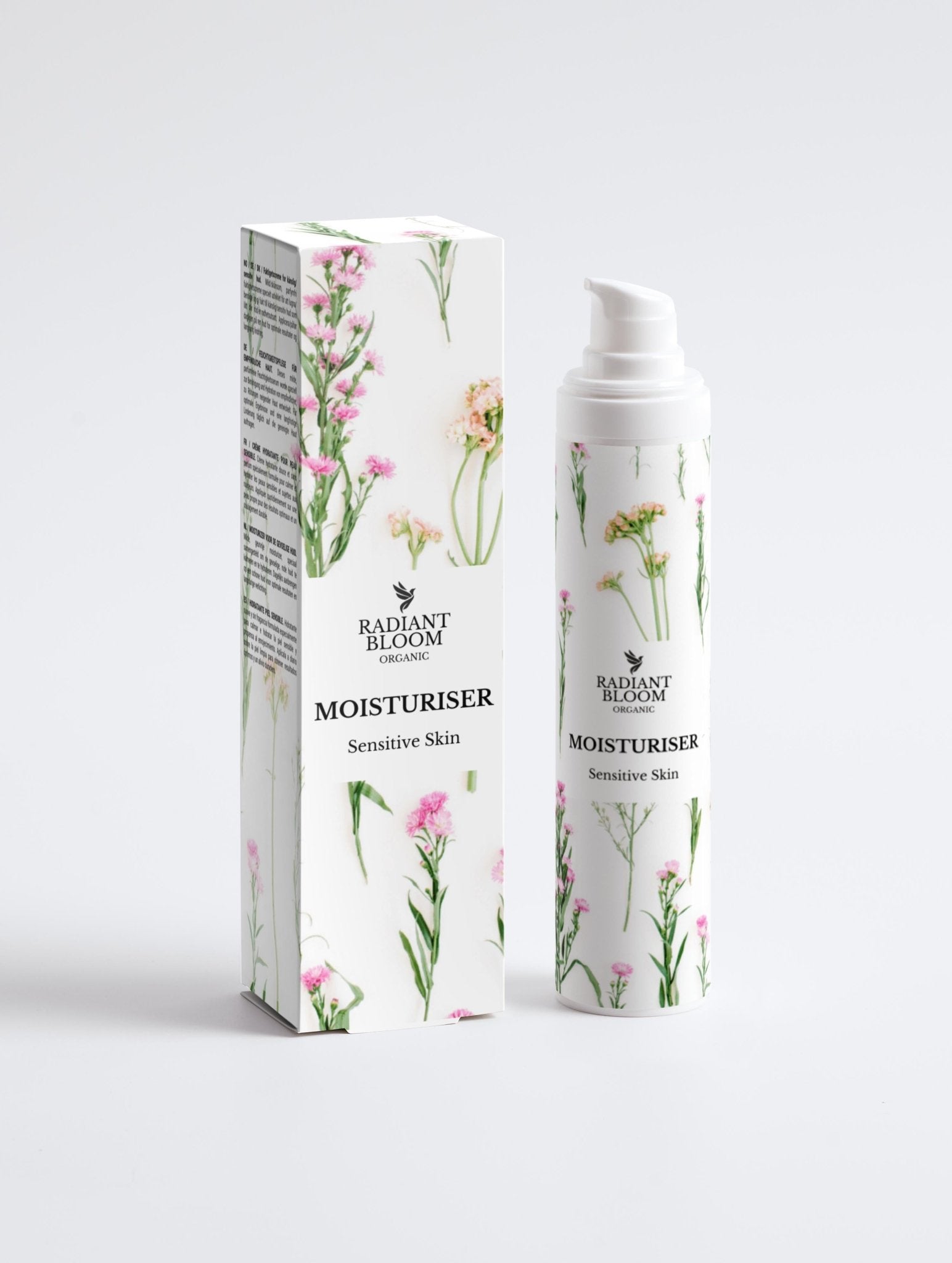
Sensitive Skin MoisturiserNourishing shea butter in a certified vegan cream, with no beeswax, lanolin or animal extras.
€24.99Shop Now →

Gentle enough for newborns
Organic Baby LotionA shea-rich vegan lotion soft enough for baby skin and lovely on dry adult skin too.
€24.99Shop Now →
Why is shea butter so good for skin?
Shea earns its place in so many formulas because it does several jobs at once. It is rich in fatty acids and vitamins that soften and condition the skin, it is emollient, meaning it smooths and fills gaps between skin cells for an immediately softer feel, and it helps support the skin barrier that keeps moisture in and irritants out. It is also well tolerated by most sensitive skin, which is why it appears in products for reactive and very dry skin, and in gentle formulas for babies. It works from head to toe: face creams, body butter, hand care, lip products and hair masks all use it. For where a shea-rich cream fits in a full routine, see our vegan moisturiser guide, and for the body, our body lotion guide.
Frequently asked questions
Is shea butter vegan?
Yes. Shea butter is a plant fat pressed from the nuts of the shea tree, with no animal involvement. It has only one source, so unlike some ingredients there is no animal version to check for.
Is shea butter dairy, since it is called butter?
No. The word butter here just means a solid plant fat, like cocoa or mango butter. It contains no milk and is completely unrelated to dairy.
Does a shea butter product mean the whole thing is vegan?
Not necessarily. The shea is vegan, but the same product can contain beeswax, lanolin, honey or collagen. Always scan the full ingredient list or choose a certified vegan formula.
Is shea butter cruelty-free?
The ingredient does not involve animal testing, but whether a finished product is cruelty-free depends on the brand. Vegan and cruelty-free are separate claims, each worth verifying.
Is shea butter good for sensitive skin?
Generally yes. It is emollient and well tolerated, which is why it features in products for dry, reactive and baby skin. As with anything new, patch test first if your skin is highly reactive.
Plant butters, nothing hidden
Shea-rich vegan skincare, cruelty-free and organic, with certificates you can check.
Shop Vegan Skincare →Free worldwide shipping on orders over €45. Vegan, cruelty-free and organic.