Cart
0
Collagen itself is not vegan: virtually all collagen in cosmetics and supplements is extracted from cattle hides, fish or chicken. But here is the part the marketing rarely mentions, and it changes everything for vegans: rubbing collagen onto skin barely matters anyway, because the collagen molecule is far too large to pass through the skin's surface. It sits on top as a decent film-forming moisturiser and nothing more. What actually improves the look of firmness is supporting the collagen your own skin produces, and every ingredient proven to do that, peptides, vitamin C, bakuchiol and daily SPF, is completely animal-free. So vegan collagen skincare is not a compromise version of the real thing; it is the approach that works, minus the ingredient that never did much. This guide explains what vegan collagen means on a label, which collagen-boosting ingredients have real evidence, and how to build them into a routine.
In this article
- Is collagen vegan?
- What does vegan collagen actually mean?
- Which ingredients genuinely support collagen?
- The collagen-supporting routine
- Frequently asked questions
Is collagen vegan?
No. Collagen is a structural animal protein, and the versions in creams and powders come from bovine hide, fish skin and scales, or poultry. There is no plant that produces collagen. When you see collagen listed in a conventional cream's ingredients, it is animal-derived unless the brand explicitly states a lab-grown source, which remains rare. This is one of the easiest label checks in skincare: the word collagen or hydrolysed collagen in an INCI list of a non-vegan brand means animal origin, as our label-reading guide covers alongside the other hidden animal ingredients.
What does vegan collagen actually mean?
The phrase covers two different things, and knowing which one a product means tells you a lot about the brand:
- Biotech collagen. Genuine collagen built by genetically engineered yeast or bacteria, no animals involved. It exists, it is impressive science, and it is still expensive and uncommon in skincare, with the same catch as animal collagen: applied topically, the molecule mostly stays on the surface.
- Collagen-boosting formulas. The common and more useful meaning: products named after collagen because they support your skin's own collagen with proven vegan actives. This is what a collagen night cream from a fully vegan brand, including ours, refers to, exactly the way vegan keratin in haircare means plant proteins doing keratin's job.
Which ingredients genuinely support collagen?
| Ingredient | How it helps | When to use |
|---|---|---|
| Peptides | Signal skin to support its own collagen production | Morning or evening |
| Vitamin C | An essential cofactor skin needs to build collagen at all | Morning, under SPF |
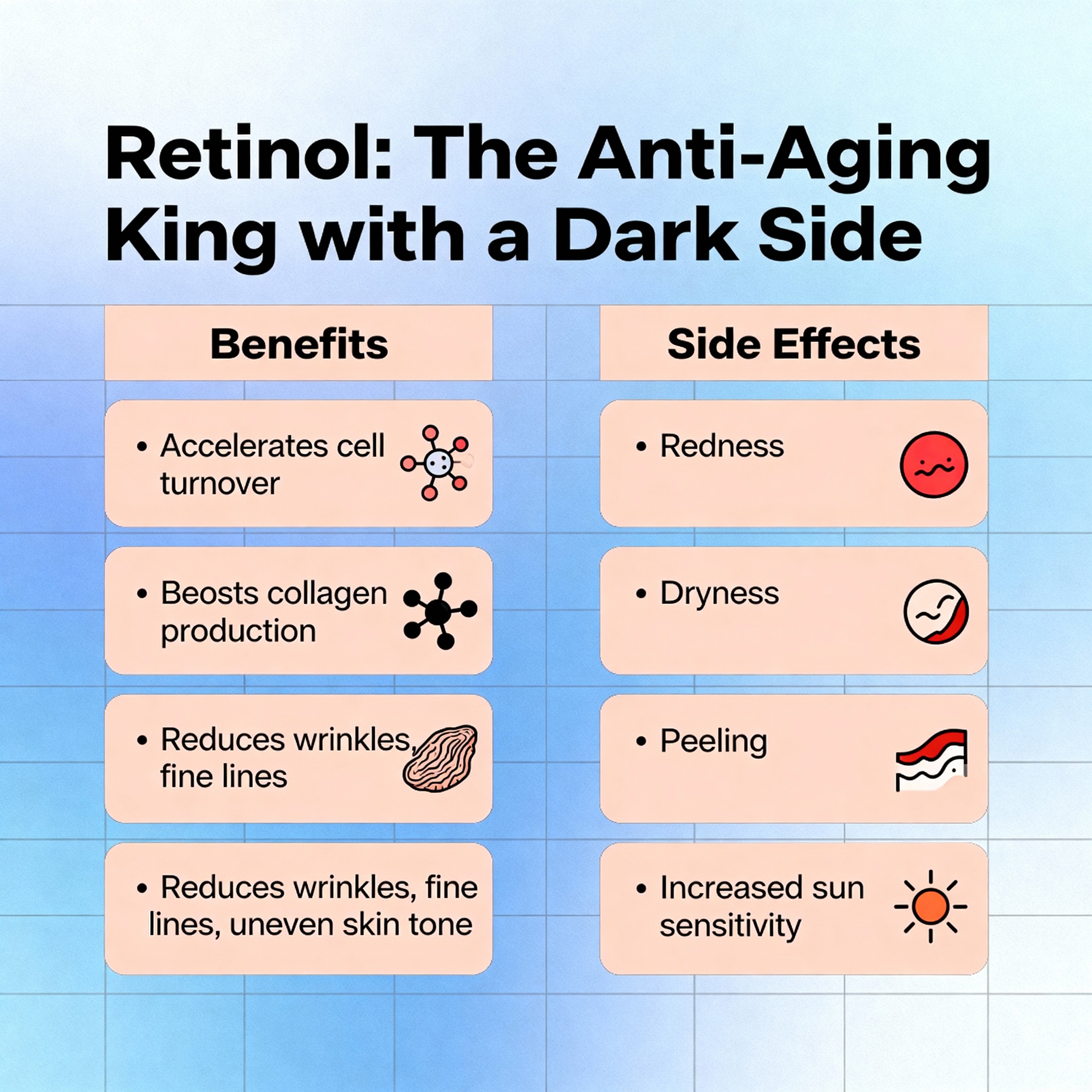
| Bakuchiol | The plant-derived retinol alternative for skin renewal | Evening |
| Daily SPF | UV breaks collagen down faster than anything rebuilds it | Every morning, last step |
Notice what protecting existing collagen implies: the cheapest collagen product you own is sunscreen, and our vegan sun care guide makes that step painless.
The collagen-supporting routine
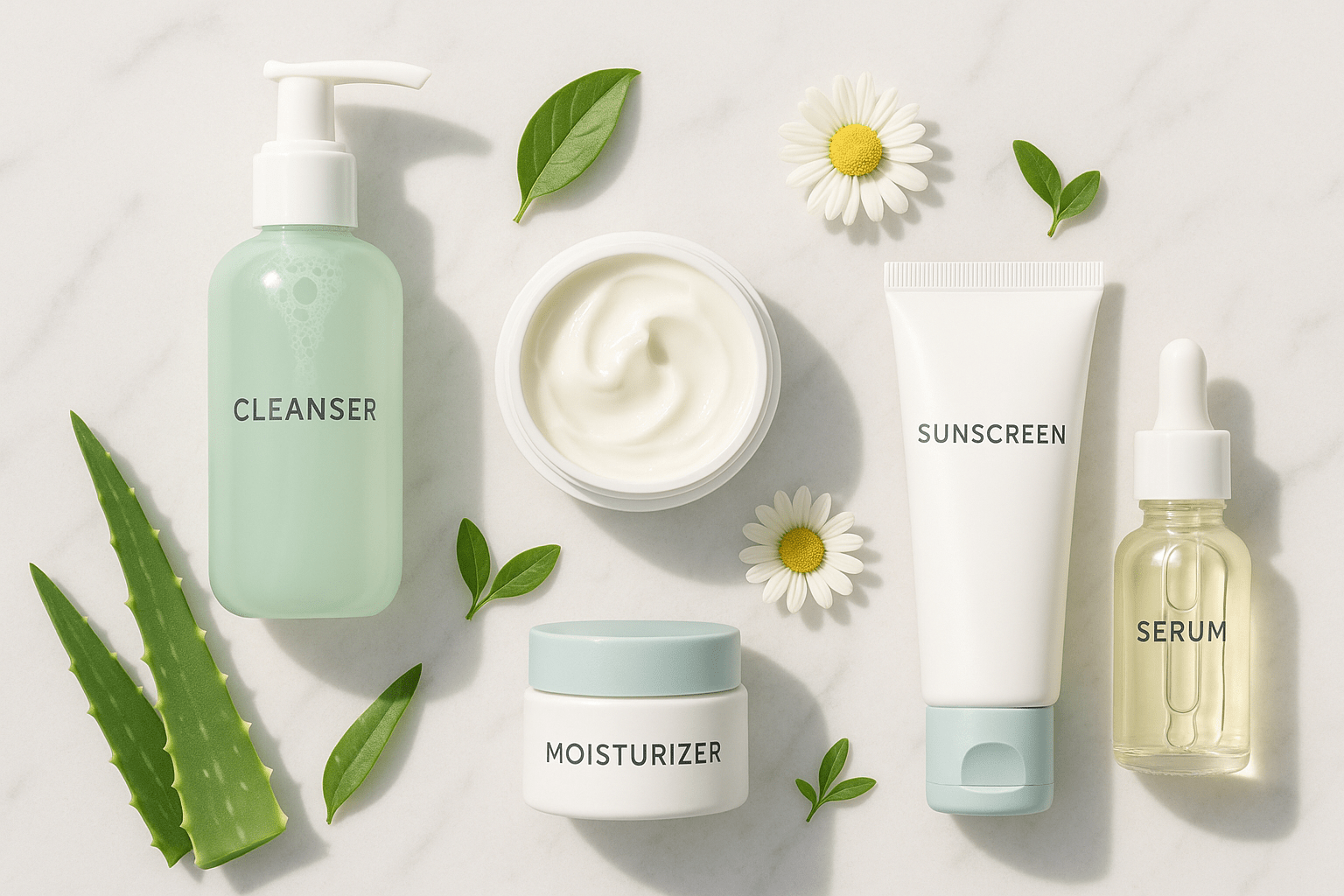
Morning: vitamin C, then moisturiser, then SPF. Evening: a renewal serum, then a peptide-rich night cream. That is the entire evidence-backed structure, and every step exists in fully vegan form:

Morning: the cofactor
Vitamin C SerumThe vitamin skin cannot build collagen without, in an energising vegan morning serum.
€24.99Shop Now →

The signal-senders
Botox-Like Peptide SerumConcentrated vegan peptides with hyaluronic acid for skin that looks smoother and firmer.
€29.99Shop Now →
Evening: gentle renewal
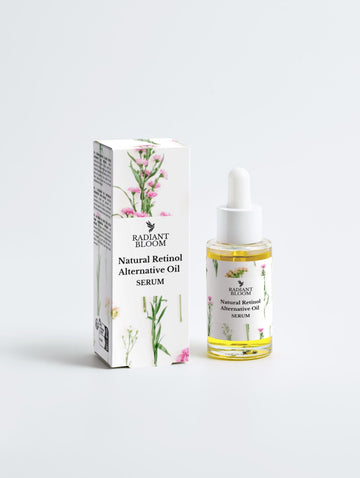
Organic Bakuchiol Oil SerumThe babchi-plant retinol alternative that smooths fine lines without dryness or sun sensitivity.
€34.99Shop Now →

Evening: the overnight seal
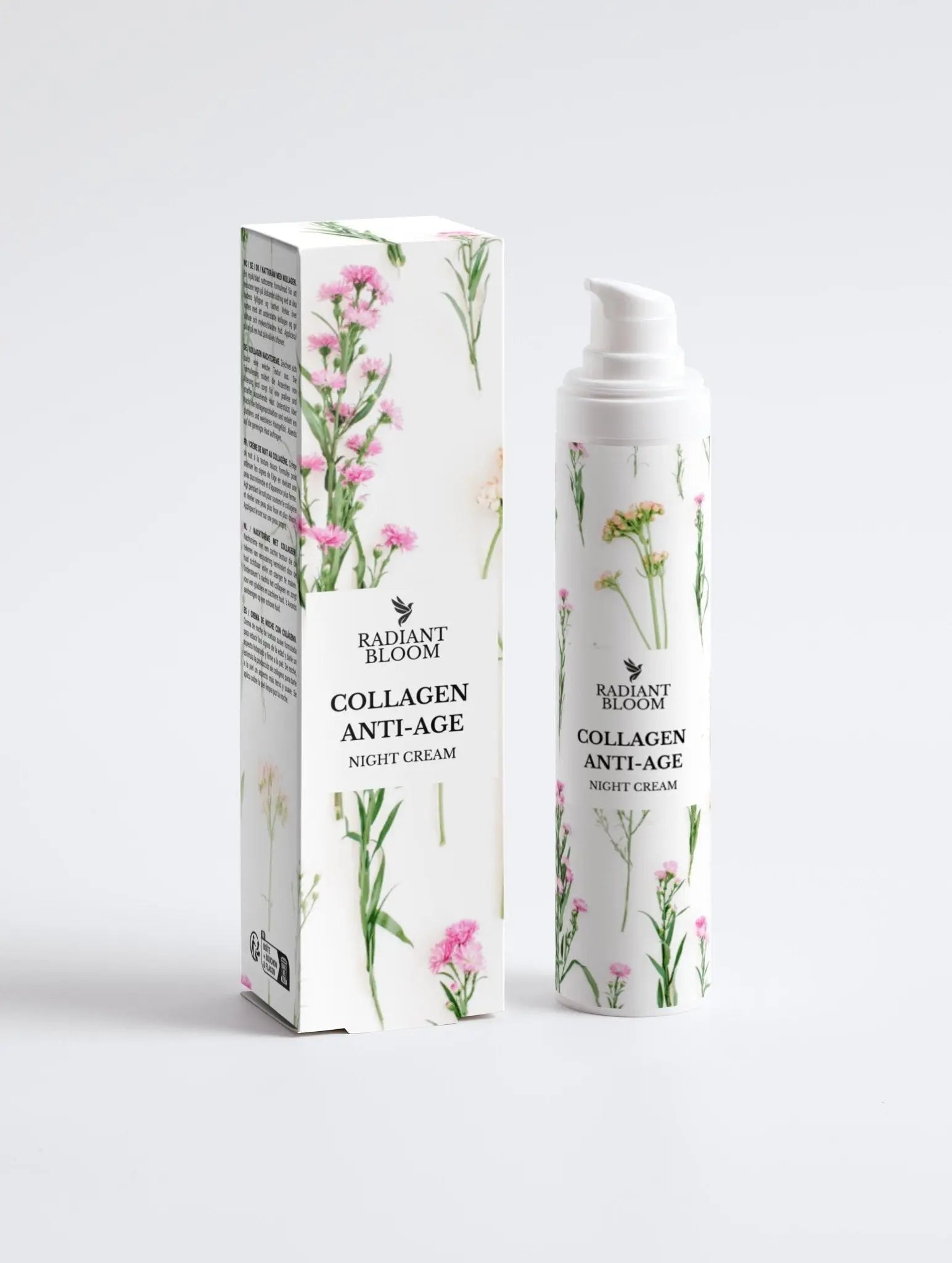
Collagen Anti-Age Night CreamA vegan collagen-boosting night cream: zero animal collagen, everything skin needs to support its own.
€29.99Shop Now →
For the wider renewal picture, our guides to vegan anti-aging serums and choosing serums by routine goal pair naturally with this one.
Frequently asked questions
Is the collagen in face creams animal-derived?
Almost always, from bovine hide, fish or poultry. Lab-grown vegan collagen exists but is still rare in skincare, so assume animal origin unless the brand is fully vegan or states the biotech source.
Do collagen creams work at all?
As moisturisers, modestly: the collagen film holds surface water. As collagen replacers, no, because the molecule cannot penetrate to where your collagen lives. Peptides, vitamin C and renewal actives working with your own skin are the evidence-backed route.
Is marine collagen vegan or vegetarian?
Neither. Marine collagen comes from fish skin and scales. Plant based and fish-derived are opposites, however natural the packaging looks.
At what age should I start collagen-supporting skincare?
Skin's collagen production declines gradually from the mid-20s onward, so daily SPF from any age is the foundation, with peptides and bakuchiol earning their place whenever firmness and fine lines become a personal priority.
What about vegan collagen supplements?
Most vegan collagen supplements contain no collagen; they bundle the amino acids and vitamin C the body uses to make its own, which you can also get from a balanced diet. For skin specifically, topical actives plus SPF remain the better-evidenced investment.
Support the collagen you already own
Peptides, vitamin C and bakuchiol, the vegan route to firmer-looking skin.
Shop Collagen-Boosting Care →Free worldwide shipping on orders over €45. Vegan, cruelty-free and organic.