Cart
0
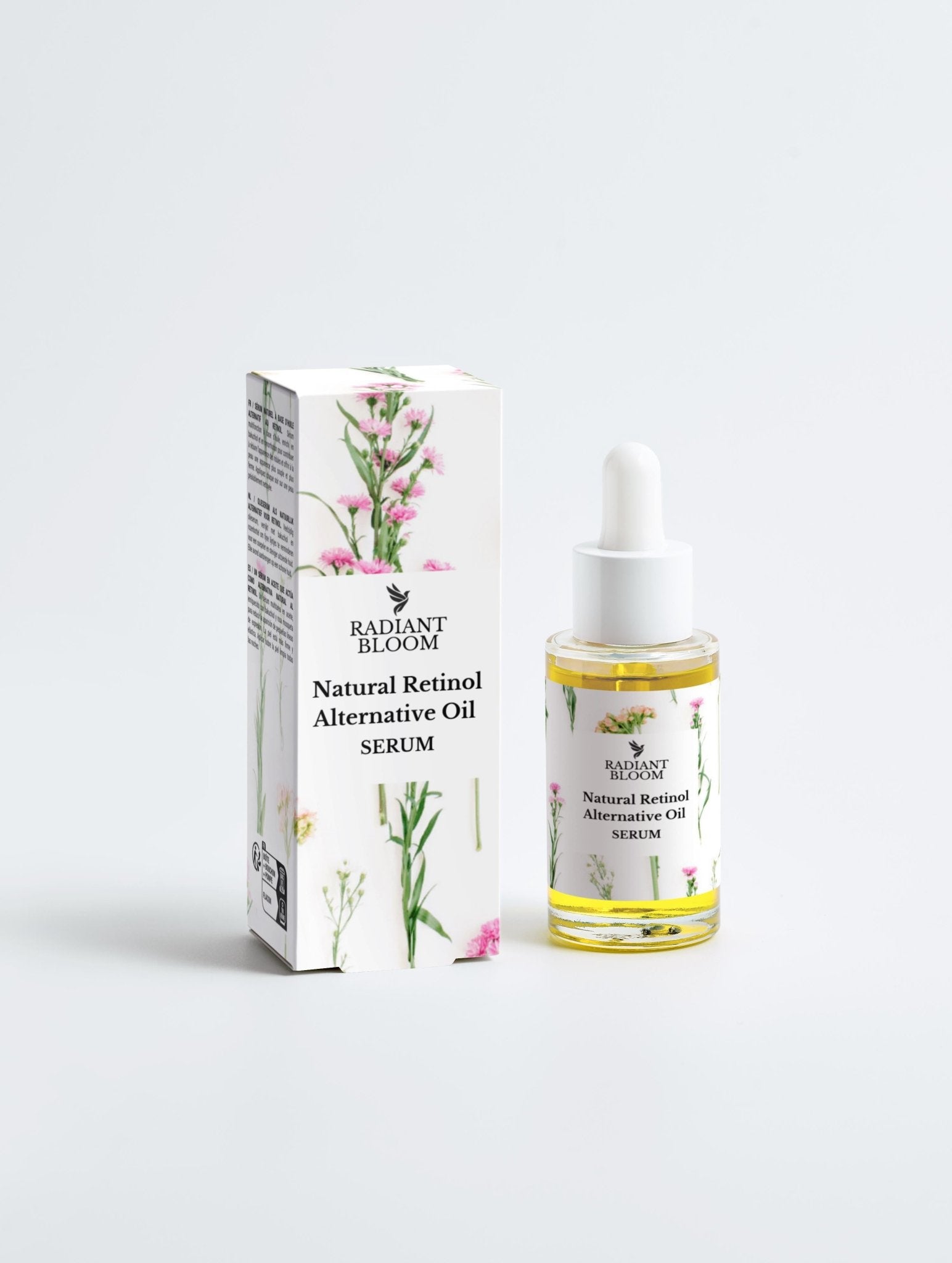
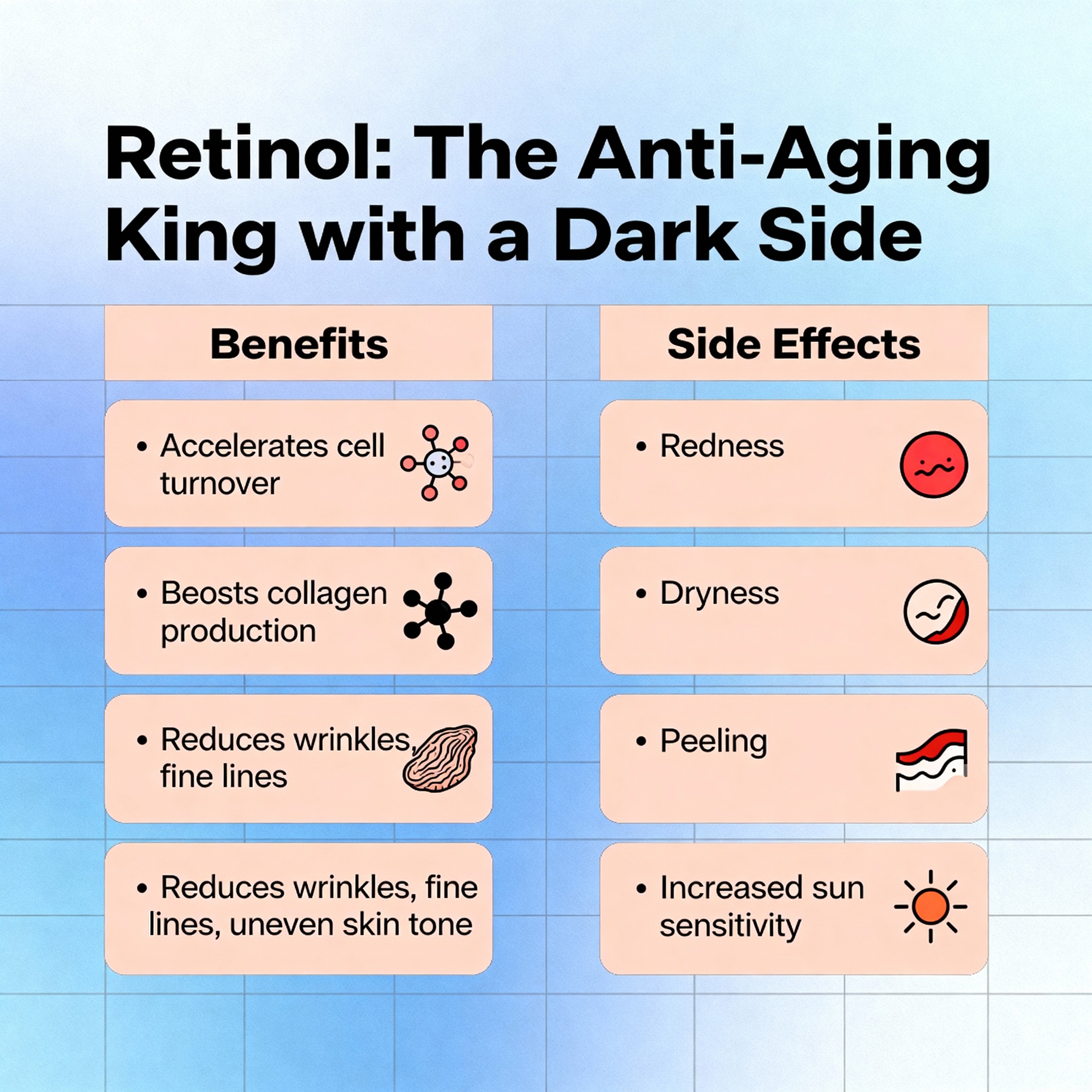
Here is the good news for anyone looking for vegan retinol: traditional retinol is often not vegan, but the plant-based alternative that has taken over the industry, bakuchiol, is both fully vegan and gentler on skin. Retinol itself is a lab-made molecule, yet it is frequently suspended in animal-derived carriers, and its close relatives sometimes trace back to animal sources, so a vegan claim still matters. More importantly, retinol comes with real downsides many people cannot tolerate: dryness, peeling, redness and sun sensitivity, and it is off-limits during pregnancy and breastfeeding. Bakuchiol, extracted from the seeds of the babchi plant, delivers comparable smoothing and firming results in studies without those side effects. This guide explains the difference, who should choose which, and how to use a bakuchiol serum for real results.
In this article
- Is retinol vegan?
- What is bakuchiol and how does it compare?
- Who should choose bakuchiol over retinol?
- How do you use a bakuchiol serum?
- Frequently asked questions
Is retinol vegan?
Not reliably. The retinol molecule in skincare is synthesised in a lab, which sounds vegan, but two things complicate it. First, retinol is often delivered in or alongside animal-derived ingredients, from certain carrier oils to collagen and other additives in the same formula. Second, some vitamin A derivatives have historically been sourced from animal tissue. The result is that retinol products are vegan only when the brand specifically says so. This is the same situation as many actives, where the hero ingredient is animal-free but the formula around it is not, which our label-reading guide covers in full.
What is bakuchiol and how does it compare?
Bakuchiol is a compound extracted from the seeds and leaves of the babchi plant, used in Ayurvedic tradition for centuries and adopted by modern skincare as a plant-based retinol alternative. Research comparing the two has found bakuchiol can smooth the look of fine lines and improve firmness and tone comparably to retinol, with significantly less irritation. Here is how they line up:
| Property | Retinol | Bakuchiol |
|---|---|---|
| Source | Lab-made, not always vegan | Babchi plant, fully vegan |
| Irritation | Common: dryness, peeling, redness | Minimal, suits sensitive skin |
| Sun sensitivity | Increases it, night use only | Does not, usable day or night |
| Pregnancy-safe | No, avoid entirely | Generally considered suitable |
| Results | Smooths lines, evens tone | Comparable in studies |
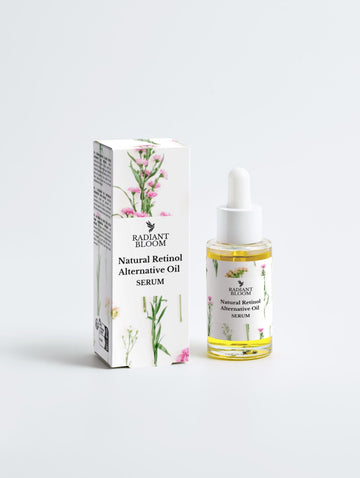
The vegan retinol alternative
Organic Bakuchiol Oil SerumA pregnancy-safe, plant-based retinol alternative that smooths fine lines overnight without dryness or peeling.
€34.99Shop Now →
Who should choose bakuchiol over retinol?
Bakuchiol is the clear choice if you are pregnant or breastfeeding, if you have sensitive, reactive or rosacea-prone skin, if retinol has caused you dryness or peeling in the past, or if you simply want a plant-based routine. It is also ideal for beginners, because there is no lengthy retanization or purging period to endure. Committed retinol users with resilient skin and no plans to conceive may prefer to continue with a vegan-certified retinol, and that is a valid choice too. The point is that going vegan here costs you nothing in results, as our guides to choosing a vegan serum and supporting your own collagen both explain.
How do you use a bakuchiol serum?
- Start in the evening. Although bakuchiol does not cause sun sensitivity, night is when skin repairs, making it the ideal slot. A few drops after cleansing and toning.
- Follow with moisturiser. Seal the serum in with your night cream, or layer a night cream over it for richer skin.
- Daily is fine from the start. Unlike retinol, there is no need to build up slowly; most skin tolerates nightly use immediately.
- Pair with vitamin C in the morning. The classic split: vitamin C by day, bakuchiol by night, is gentle and effective, as our serum layering guide details.
- Wear SPF anyway. Any renewal active works better when you are protecting the results with daily sunscreen.
Frequently asked questions
Is retinol vegan?
Only when the brand states it. The molecule is lab-made, but it is often formulated with animal-derived carriers or additives, so an unlabelled retinol product cannot be assumed vegan.
Does bakuchiol actually work as well as retinol?
Studies comparing the two have found comparable improvements in fine lines, firmness and tone, with bakuchiol causing far less irritation. It is a genuine alternative, not just a gentler placeholder.
Can I use bakuchiol while pregnant?
Bakuchiol is generally considered suitable during pregnancy and breastfeeding, unlike retinol which is avoided. As always, check with your doctor about your specific routine.
Can I use bakuchiol and retinol together?
You can, and some formulas combine them, but if your goal is a vegan, low-irritation routine, bakuchiol alone does the job without retinol's downsides.
How long until bakuchiol shows results?
Expect visible improvement in smoothness and tone after eight to twelve weeks of nightly use. Like all renewal actives, it rewards consistency rather than intensity.
Retinol results, plant-based and gentle
Bakuchiol and the vegan renewal routine around it, made in small batches.
Shop Vegan Serums →Free worldwide shipping on orders over €45. Vegan, cruelty-free and organic.