Einkaufswagen
0
To get rid of blackheads, you need to clear the pore and keep it clear: cleanse thoroughly each evening, exfoliate with a chemical exfoliant (a BHA or AHA) two to three times a week to dissolve the plug, and keep skin hydrated so oil production stays balanced. Squeezing, pore strips and scrubs give a short-lived result and often make pores look worse. Expect visible improvement in about 4 to 6 weeks of consistency.
In this article: what blackheads actually are, why they keep coming back, what works and what does not, a simple routine, how long it takes, and an FAQ.
What are blackheads, really?
A blackhead is an open comedone: a pore blocked with a mix of sebum (your skin's oil) and dead skin cells. The dark colour is not trapped dirt, which is the most common misunderstanding. It is oxidation. When the plug is exposed to air at the surface, the melanin and oils in it darken, much like a sliced apple browning. This matters because it explains why scrubbing harder never works. You cannot wash away something that is not dirt, and aggressive scrubbing just irritates the skin around the pore.
Blackheads cluster on the nose, chin and forehead because those areas have the highest density of oil glands. That is also why they are so persistent: those glands keep producing oil whether or not you cleared the pore yesterday.
What actually gets rid of blackheads?
Three things do the heavy lifting, and they work together.
1. A proper evening cleanse
Most blackhead trouble starts with residue. Sunscreen, makeup and a day's worth of sebum sit in the pore overnight if they are not fully removed. A thorough but non-stripping evening cleanse is the single most underrated step. Harsh foaming washes are counterproductive: they strip the barrier, and skin often responds by producing more oil.
2. Chemical exfoliation, two to three times a week
This is the step that actually dissolves the plug. Salicylic acid (a BHA) is oil-soluble, so it can get inside the pore, which makes it the classic choice for blackheads. Glycolic acid (an AHA) works on the surface, clearing the dead cells that would otherwise form the next plug and smoothing texture. Used two to three times a week, they gradually empty and refine congested pores without any squeezing.
3. Hydration and balance
Dehydrated skin overproduces oil to compensate. Keeping skin properly moisturised, even if it is oily, helps regulate that cycle. A lightweight, oil-free hydrator is ideal for congestion-prone skin.

Step 1 · Cleanse
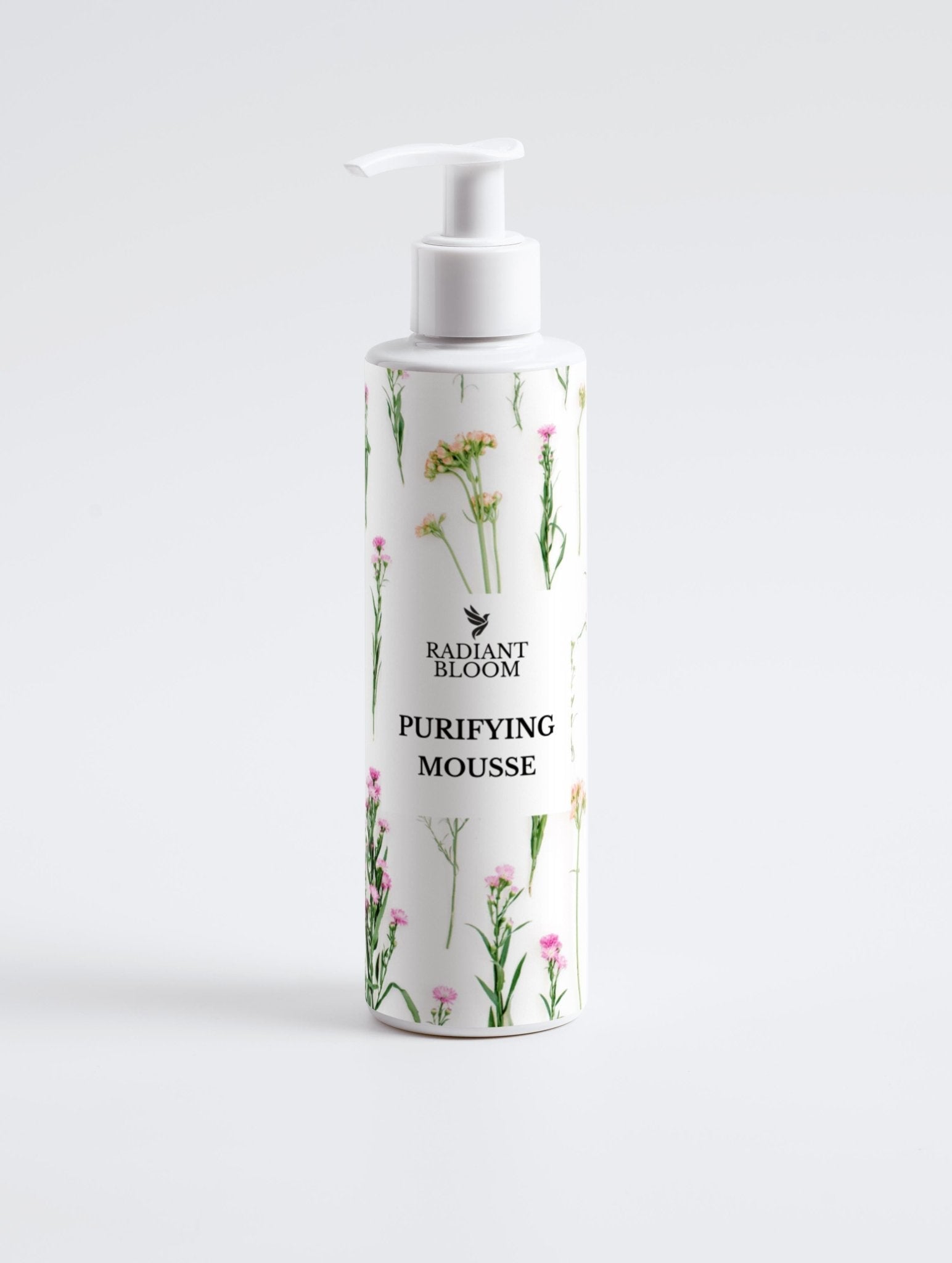
Purifying Mousse
A gentle purifying cleanser for congested, oil-prone skin. Clears the day without stripping the barrier.
View product →
Step 2 · Exfoliate
Glycolic Acid Liquid Exfoliator
Sweeps away the dead skin that forms the next plug, refining texture and the look of congestion. Use 2 to 3 evenings a week.
View product →What does not work (and what makes it worse)
| Method | What really happens | Verdict |
|---|---|---|
| Squeezing or extracting at home | Can clear one plug but risks broken capillaries, scarring and infection | Avoid |
| Pore strips | Removes the surface tip only. The pore refills within days | Short-lived |
| Gritty scrubs | Irritates and micro-tears skin without reaching inside the pore | Avoid |
| Toothpaste or bicarbonate | Highly alkaline, damages the barrier | Never |
| Chemical exfoliant (BHA or AHA) | Dissolves the plug and prevents the next one | Works |
| Consistent gentle cleansing | Stops residue building into new blockages | Works |
A simple anti-blackhead routine
- Morning: gentle cleanse, lightweight hydrator, SPF.
- Evening (most nights): thorough cleanse, then a clarifying treatment on congested areas, then moisturiser.
- Evening (2 to 3 times a week): swap in your chemical exfoliant after cleansing, then moisturise.
- Always: daily SPF. Exfoliating acids make skin more sun-sensitive.
Resist the urge to do everything at once. Using an acid every night alongside a harsh cleanser is the fastest way to a damaged barrier, which ironically leads to more oil and more congestion.

Step 3 · Clarify
Clarifying Gel
Targets congestion and shine on the nose, chin and forehead without over-drying the rest of the face.
View product →How long does it take to clear blackheads?
Give it 4 to 6 weeks. Skin cells turn over roughly every 28 days, so a full cycle of consistent exfoliation is the minimum before you can fairly judge results. You will often notice smoother texture within two weeks and clearer-looking pores by week six. Blackheads are managed rather than cured: if you stop, the oil glands carry on and the pores gradually refill, so keeping the routine going is what maintains the result.
When should you see a professional?
If congestion is widespread, painful, or accompanied by cystic spots, a GP or dermatologist can offer prescription options that work faster than anything over the counter. Deep, stubborn comedones can also be safely extracted by a trained facialist, which is far safer than doing it yourself in front of the bathroom mirror.
Frequently asked questions
Are blackheads just trapped dirt?
No. They are oil and dead skin cells that have oxidised and darkened at the surface. This is why washing more often or scrubbing harder does not remove them.
Should I squeeze blackheads?
It is best not to. Squeezing can push debris deeper, damage the pore wall, and lead to broken capillaries or scarring. Chemical exfoliation clears them without that risk.
Do pore strips work for blackheads?
Only superficially. They pull out the visible tip, but the pore refills within days and repeated use can irritate the surrounding skin.
Can you get rid of blackheads permanently?
Not permanently, because your oil glands keep working. With a consistent routine you can keep pores clear and much less visible, but stopping the routine allows them to return.
How often should I exfoliate for blackheads?
Two to three times a week is the sweet spot for most people. Daily acid use tends to irritate the barrier, which can increase oil production and make congestion worse.
· · ·